
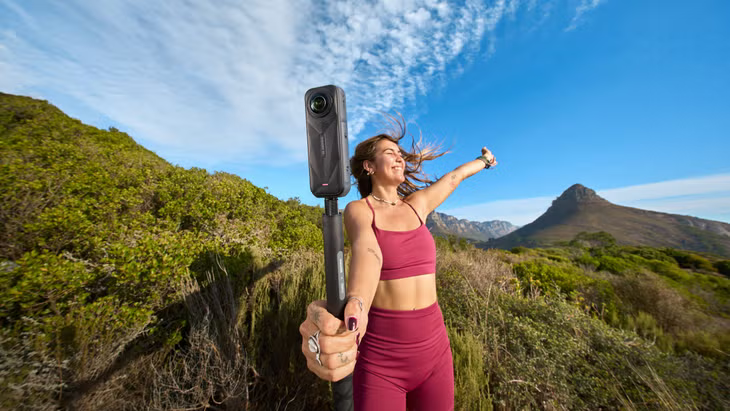
Introduction to 360 Action Cameras
In the modern world of photography and videography, capturing every angle of a moment has become increasingly popular. A 360 action camera allows you to record immersive footage that traditional cameras simply cannot achieve. Unlike standard cameras, which focus on a single perspective, a 360 action camera captures a complete spherical view, giving viewers a unique and interactive experience.
Understanding Traditional Cameras
Traditional cameras, including DSLRs and mirrorless cameras, have long been the standard for professional photography and videography. These cameras excel in capturing high-resolution images and videos from a single direction. They often offer advanced features like interchangeable lenses, manual controls, and superior image sensors. However, traditional cameras are limited by their fixed field of view, meaning you have to carefully frame each shot to ensure nothing important is missed.
The Key Differences Between 360 Action Cameras and Traditional Cameras
The most significant difference between a 360 action camera and traditional cameras lies in how they capture the environment. A 360 action camera uses multiple lenses to capture footage in all directions simultaneously. This allows users to create immersive videos and panoramic photos without missing a single detail. Traditional cameras, on the other hand, rely on a single lens, restricting their ability to capture everything in the surroundings.
Portability and Durability
360 action cameras are designed with portability and durability in mind. They are compact, lightweight, and often waterproof or shockproof, making them ideal for adventurous activities such as surfing, skiing, or mountain biking. Traditional cameras, while offering superior image quality, are generally bulkier and require careful handling, which can limit their use in extreme conditions.
User Experience and Ease of Use
One of the advantages of a 360 action camera is its ease of use. Many models come with smartphone integration and intuitive apps that simplify editing and sharing immersive content. Traditional cameras often require more technical knowledge, including understanding settings like aperture, shutter speed, and ISO to achieve optimal results. For beginners or casual users, a 360 action camera provides a more accessible entry point into videography.
Creative Possibilities with a 360 Action Camera
The creative potential of a 360 action camera surpasses that of traditional cameras in many ways. With a 360 action camera, users can experiment with virtual reality content, interactive videos, and unique perspectives that are impossible to achieve with conventional cameras. Traditional cameras, while excellent for cinematic compositions and high-quality photography, cannot replicate the immersive experience offered by a 360 action camera.
Editing and Post-Production
Editing footage from a 360 action camera differs significantly from traditional video editing. Specialized software allows users to reframe shots, create panoramic views, and even produce VR-compatible content. Traditional camera footage typically requires standard editing software focused on color grading, cropping, and adding effects, but it does not offer the same level of interactive possibilities.
Cost Considerations
Cost is another factor to consider when comparing a 360 action camera and traditional cameras. While high-end DSLRs and mirrorless cameras can be expensive, 360 action cameras are often more affordable and accessible for enthusiasts looking to explore new creative possibilities. Additionally, the compact size and versatility of a 360 action camera reduce the need for multiple lenses or accessories, which can further save costs.
When to Choose a 360 Action Camera
A 360 action camera is ideal for capturing dynamic activities, travel adventures, or immersive content for social media and virtual reality. If your goal is to provide viewers with a fully interactive experience or to capture moments from every angle, a 360 action camera is the perfect choice.
When Traditional Cameras Are Better
Traditional cameras are still the best choice for high-resolution photography, professional filmmaking, and situations where image quality and control over composition are paramount. For portrait photography, studio work, or cinematic productions, traditional cameras deliver unmatched clarity and creative control.
Combining Both Cameras
Many content creators use both a 360 action camera and traditional cameras to maximize their creative potential. This approach allows them to capture immersive action shots while maintaining the high-quality imagery and control that traditional cameras provide. By leveraging the strengths of both devices, creators can produce a diverse range of content that engages audiences in multiple ways.
Conclusion
In summary, a 360 action camera and traditional cameras serve different purposes but complement each other in the world of modern photography and videography. A 360 action camera offers immersive, all-encompassing footage that is perfect for adventure, travel, and interactive content, while traditional cameras excel in quality, precision, and creative control. Understanding these differences allows users to choose the right camera based on their needs and creative goals. Whether you are a professional filmmaker or an adventure enthusiast, integrating a 360 action camera into your toolkit can transform the way you capture and share your experiences.