
Elevating Your Space: Contemporary Trends in Interior Design Dubai
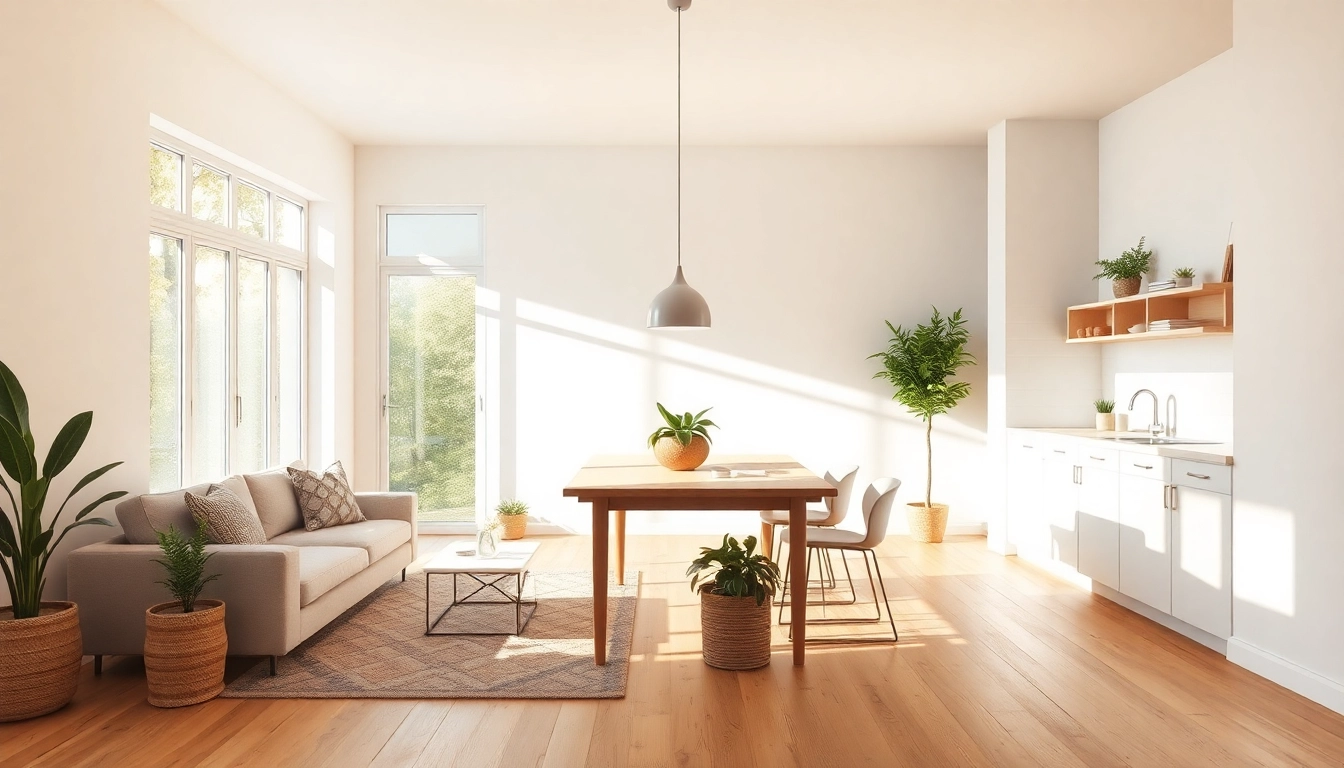
What Defines Interior Design Dubai?
Interior design in Dubai is a unique blend of cultures, aesthetics, and innovative ideas. This vibrant city is known for its luxurious lifestyle and architectural wonders, which is reflected in its interior design landscape. The interior design scene here is characterized by modernism infused with traditional Middle Eastern elements, resulting in spaces that are both functional and visually stunning. Exploring interior design dubai reveals a wealth of inspiration for homeowners and businesses alike.
Key Characteristics and Styles
The essence of interior design in Dubai involves several key characteristics that set it apart. Here are some defining aspects:
- Luxury and Opulence: Many designs incorporate high-end materials like marble, crystal, and gold accents, creating a feeling of extravagance.
- Diverse Influences: Given Dubai’s cultural melting pot, you’ll find a fusion of styles—from contemporary minimalism to traditionally ornate Arab design principles.
- Functionality: While aesthetics play a large role, practicality is also a priority, ensuring spaces are not only beautiful but also usable.
- Innovative Technologies: Smart home technologies are becoming popular, allowing for seamless integration of design and functionality.
Popular Trends in Dubai Design
Several trends are currently dominating the interior design landscape in Dubai:
- Sustainable Design: Increasingly, designers are incorporating eco-friendly materials and sustainable practices to minimize environmental impact.
- Biophilic Design: Integrating natural elements, such as plants and natural light, into designs to enhance well-being and connect occupants with nature.
- Bold Colors and Patterns: Expect to see vibrant hues and eclectic patterns reflecting the city’s dynamic spirit, moving away from neutral palettes.
- Luxury Outdoor Spaces: Given the favorable climate, there is a growing trend towards luxurious outdoor living areas that extend the home experience.
Influence of Culture on Design Choices
Culture plays a crucial role in shaping design choices in Dubai. Designers often draw inspiration from local traditions, art, and architecture, as well as global influences due to the city’s diverse population. The use of geometric patterns, intricate mosaics, and ornamental designs are common, lending a distinctly Middle Eastern flavor to various projects. Such cultural integration results in spaces that tell a story and create a unique sense of place.
Hiring an Interior Designer in Dubai
Bringing your vision to life requires careful consideration when hiring an interior designer in Dubai. Choosing the right professional can significantly impact the outcome of your project.
How to Choose the Right Professional
When selecting an interior designer in Dubai, consider the following steps:
- Define Your Style: Have a clear vision of your preferred aesthetic, which will make it easier to find a designer who aligns with your tastes.
- Review Portfolios: Examine previous projects to assess their capabilities and see if their design style resonates with your vision.
- Check Credentials: Ensure that the designer has the necessary qualifications and licenses, and is familiar with local regulations.
- Ask for References: Speak with past clients to understand their experiences and the designer’s reliability.
Understanding Design Fees and Costs
Interior design fees can vary widely depending on the scope of the project and the designer’s experience. Typically, design fees in Dubai may be charged as a flat rate, hourly, or percentage of the overall project costs. Expect to pay anywhere from AED 300 to AED 1,500 per hour, with larger projects often having a lower hourly rate due to the scale. It’s vital to discuss budget upfront to avoid surprises later.
Viewing Portfolios: What to Expect
When reviewing an interior designer’s portfolio, look for diversity in their projects. A strong portfolio should include:
- Range of Styles: Different designs that highlight versatility.
- High-Quality Images: Professional photographs showcasing interior spaces.
- Project Descriptions: Insight into the design process, challenges faced, and solutions provided.
- Client Testimonials: Feedback from previous clients can offer valuable perspective on the designer’s capabilities and work ethic.
Essential Elements of Interior Design in Dubai
To create captivating interiors in Dubai, understanding essential design elements is crucial. These elements form the foundation of effective interior design.
Color Schemes That Reflect Luxury
Color selection is vital in establishing the ambiance of a space. In Dubai, luxurious palettes often incorporate rich shades like emerald green, midnight blue, and gold accents. Designers frequently utilize warm, neutral tones as a base to allow for bold furniture and decorative elements to stand out.
Furniture Selection and Placement
Choosing the right furniture involves more than aesthetics—all pieces should complement the space’s functionality. High-end, bespoke furniture tends to dominate the Dubai market, with designers focusing on creating layouts that foster flow and comfort. Key considerations include:
- Scale: Selecting pieces that fit the proportions of the room.
- Balance: Distributing visual weight throughout the space for harmony.
- Functionality: Ensuring that furniture serves a purpose while enhancing design.
Lighting Techniques for Modern Spaces
Lighting is an integral aspect of interior design that can dramatically change the perception of a space. In Dubai, modern designs often employ layered lighting techniques:
- Ambient Lighting: General, overall illumination to provide visibility.
- Task Lighting: Focused light for specific activities, like reading or working.
- Accent Lighting: Highlighting features such as art pieces or architectural elements to enhance design.
Maximizing Small Spaces with Interior Design Dubai
Small living spaces are increasingly common in Dubai, and clever design is essential to maximize their potential.
Strategies for Functional Layout
When dealing with limited square footage, effective space planning becomes important. Consider using multi-functional furniture, creating open floor plans, and utilizing vertical storage solutions to make the most of the available space while maintaining an inviting feel.
Incorporating Storage Solutions
Smart storage solutions are vital in maintaining a clutter-free environment. Ideas include under-bed storage, built-in shelving units, and hidden cabinets. Opt for furniture that doubles as storage, such as ottomans or coffee tables with compartments, to retain a clean aesthetic.
Choosing the Right Decor
Decor plays a significant role in enhancing a small space. Opt for light-colored wall paints to create an illusion of depth, large mirrors to reflect light, and a few statement pieces rather than overwhelming the area with decorations. This strategy not only maximizes space visually but also adds character.
Future Trends in Interior Design Dubai
As the design industry evolves, several future trends are expected to gain traction in Dubai, reflecting broader global shifts.
Sustainable and Eco-friendly Design Approaches
Emphasizing sustainability has become paramount in interior design. Future designs will likely focus on utilizing renewable resources, energy-efficient systems, and recycled materials, catering to the growing eco-conscious population. Implementing sustainable practices not only helps the environment but also creates healthier living spaces.
Smart Home Innovations
Smart home technology, encompassing automated lighting, climate control, and security systems, is becoming essential. As technology advances, integrating these features seamlessly into design will enhance convenience while improving energy efficiency and overall aesthetics.
Blending Technology with Aesthetics
In the future, the intersection of aesthetics and functional technology will be more pronounced. For example, furniture and decor will increasingly include discreet technology without compromising style—think smart mirrors, built-in speakers, and screens that blend with the decor.
FAQs about Interior Design in Dubai
What is the average cost of hiring an interior designer in Dubai?
Design fees in Dubai vary depending on the scope of work and designer expertise, typically between AED 300 to AED 1,500 per hour.
How long does a typical interior design project take in Dubai?
The duration can range from a few weeks for smaller projects to several months for extensive renovations, depending on complexity and scope.
Are there specific regulations for interior design in Dubai?
Yes, local regulations apply, especially for commercial spaces, pertaining to safety and building codes. Always ensure compliance when designing.
What styles are most popular among Dubai homeowners?
Popular styles include modern, contemporary, and luxury interiors, often incorporating lavish materials and creative design solutions.
Can I design my space without hiring a professional?
Absolutely! DIY design is popular, but it requires thorough research. Utilize online resources and tools to assist in creating your vision.