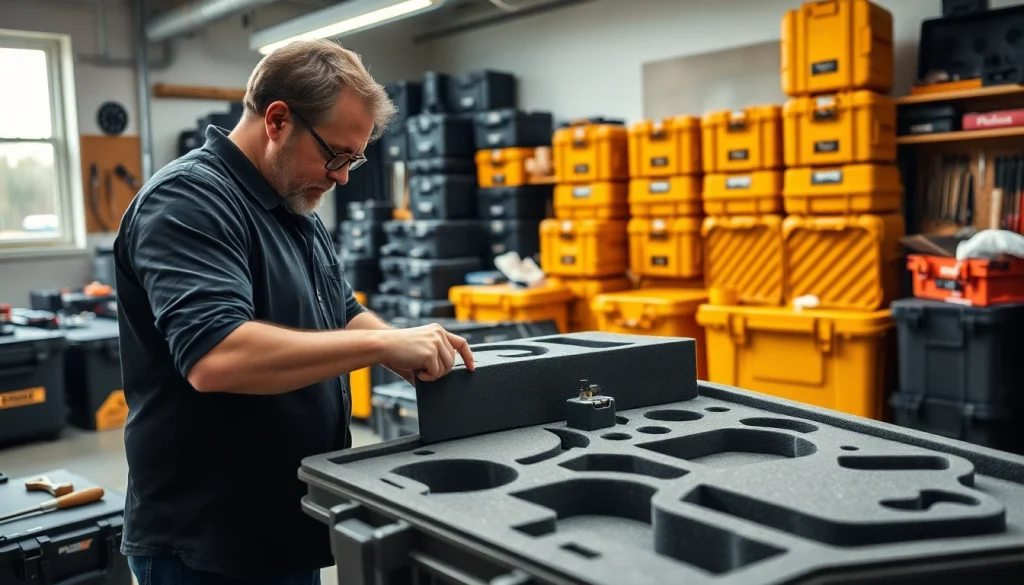
Understanding Custom Foam Inserts Pelican Cases
When it comes to protecting valuable gear, Custom Foam Inserts Pelican Cases provide a tailored solution. These inserts are designed specifically to fit inside Pelican cases, ensuring that your equipment remains secure and organized during transportation. With a variety of options available, it’s important to understand what custom foam inserts are and their various applications.
What are Custom Foam Inserts?
Custom foam inserts are protective layers crafted from specialized foam materials, which are designed to fit snugly inside Pelican cases. The primary purpose of these inserts is to provide cushioning and support to fragile and sensitive items. Foam inserts can be carefully designed to accommodate the shapes and sizes of your specific equipment, ensuring optimal protection from impacts, shocks, and environmental factors.
Benefits of Custom Foam Inserts for Pelican Cases
- Protection Against Shock: Custom foam inserts offer a significant layer of protection, absorbing shocks and impacts that can occur during shipping or travel.
- Organization: These inserts ensure that your equipment is well-organized and secure, making it easy to access the items you need quickly.
- Durability: Made from high-quality foam materials, custom inserts are designed to withstand the rigors of transportation and use.
- Tailored Fit: Foam inserts can be molded to the exact shape and dimensions of your gear, providing a precision fit that prevents movement and damage.
- Cost-Effectiveness: Investing in custom inserts can save money for businesses and individuals by protecting equipment from potential damage that could result in expensive repairs or replacements.
Common Uses of Custom Foam Inserts Pelican Cases
Custom foam inserts are versatile and can be utilized in a variety of industries and for multiple applications:
- Photography Equipment: Photographers often use Pelican cases with foam inserts to protect cameras, lenses, and other delicate gear.
- Tools and Instruments: Professionals can keep tools organized and safe from damage while in transit.
- Firearms: Custom inserts can securely hold firearms and related accessories, keeping them protected during travel.
- Medical Equipment: Medical professionals use customized foam to ensure that sensitive equipment, like defibrillators and surgical tools, are well-protected.
Choosing the Right Foam Material
Overview of Foam Materials Available
When selecting foam for your inserts, you will encounter several types of materials:
- Polyurethane Foam: This is a lightweight and flexible option commonly used in custom foam inserts.
- EVA Foam: Ethylene-vinyl acetate foam is thicker and offers a firmer structure, ideal for heavy equipment.
- Polyethylene Foam: With a closed-cell structure, this type of foam provides excellent shock absorption and is highly durable.
- Memory Foam: Designed for comfort and support, this foam molds to the shape of the objects it holds, reducing movement.
Factors to Consider When Selecting Foam
Choosing the right foam material requires careful consideration of several factors:
- Weight: If you need to carry your Pelican case long distances, lighter foam may be more beneficial.
- Application: The type of equipment you are protecting will influence the type of foam you choose. Heavier items require denser materials.
- Cost: Budget constraints may dictate your choice, but consider long-term investments in quality material for protection.
- Environmental Factors: If your case will be exposed to water or moisture, opt for closed-cell foam to mold.
Comparative Analysis of Foam Types
Understanding the strengths and weaknesses of foam types can guide you in selecting the most suitable option for your specific needs:
| Foam Type | Strengths | Weaknesses |
|---|---|---|
| Polyurethane Foam | Flexible, lightweight, cost-effective | Less durable over time, potential for compression |
| EVA Foam | Firm support, good durability | Heavier than some alternatives |
| Polyethylene Foam | Shock-absorbent, waterproof, long-lasting | Can be more expensive |
| Memory Foam | Conforms to items, high comfort level | May not provide maximum durability |
Designing Your Custom Foam Insert
Step-by-Step Designing Process
Designing your custom foam insert involves several key steps:
- Identify Your Equipment: Outline the items you need to protect and their specific dimensions.
- Select Foam Type: Choose the most appropriate foam material based on your earlier considerations.
- Map Your Layout: Create a layout plan for how you want your equipment arranged inside the case.
- Cutting Dimensions: Determine the dimensions for cutting your foam, ensuring accuracy.
- Prototype & Adjust: Create a prototype insert and make adjustments based on real-world testing.
Tools and Technology for Foam Design
Many tools and technologies are available to assist in the design process:
- CAD Software: Utilize computer-aided design programs to create detailed layouts and cut patterns.
- CNC Machines: Automated cutting machines enable precise foam cutting and shaping.
- 3D Modeling: Employ 3D modeling tools to visualize layouts before physical production.
Visualizing Your Design Concepts
Visualizing your foam insert concept can help ensure it meets your needs before fabrication:
- 3D Renderings: Create 3D renderings of your layout to see how items fit together.
- Physical Mock-ups: Consider creating mock-ups using less expensive materials to test arrangements.
- Feedback Loops: Share designs with colleagues or users to gather feedback on functionality and effectiveness.
Installation and Maintenance of Foam Inserts
How to Properly Install Foam Inserts in Pelican Cases
Proper installation of your foam inserts will ensure optimal protection:
- Prepare the Case: Ensure the Pelican case interior is clean and free from debris.
- Fit the Insert: Carefully slide the foam insert into the case, ensuring it fits snugly.
- Load Your Equipment: Place each item into the designated cutout, ensuring a secure fit.
- Close the Case: Securely close the Pelican case while checking that all items are held in place.
Maintaining Your Custom Foam Inserts
To prolong the life of your custom foam inserts, consider the following maintenance tips:
- Regular Cleaning: Wipe down foam inserts using a damp cloth to remove dust or debris.
- Inspect for Damage: Regularly check for wear and consider replacing inserts if they show signs of wear.
- Store Properly: When not in use, store your Pelican case in a cool, dry place to minimize degradation.
Common Issues and Troubleshooting
Here are potential issues you may encounter with foam inserts and their solutions:
- Moisture Accumulation: If moisture is present, it can damage the foam. Store your case in a dry location and use moisture-absorbing products.
- Compression or Deformation: If foam becomes compressed, replace it or consider additional padding for protection.
- Poor Fit: If the insert does not fit correctly, double-check your measurements and cut adjusted inserts if needed.
Frequently Asked Questions
What is the average cost of Custom Foam Inserts Pelican Cases?
The cost varies based on foam type, size, and complexity of design. Generally, expect prices ranging from $50 to $150.
Can I design foam inserts for non-standard Pelican models?
Yes, many providers can create custom foam inserts for any Pelican model, ensuring a perfect fit for your equipment.
How long does it take to create custom foam inserts?
The design and manufacturing process can take anywhere from a few days to several weeks, depending on complexity.
Will custom foam inserts protect my equipment from impact?
Yes, custom foam inserts are designed to absorb shocks and impacts, providing essential protection for your gear during transit.
How do I clean and care for my foam inserts?
Clean with a damp cloth and mild detergent, avoiding harsh chemicals. Regular inspection helps maintain longevity.