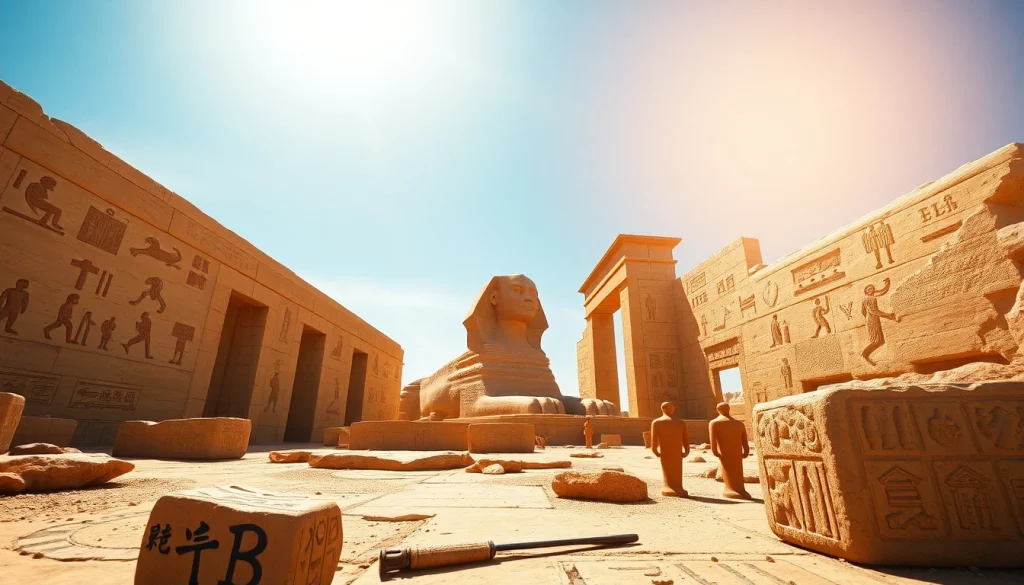
Introduction to Piraminds
The term piraminds evokes a rich tapestry of history and architectural grandeur. These monumental structures captivate our imagination and raise fascinating questions regarding their purpose, construction, and cultural significance. But what exactly are piraminds? They are ancient structures primarily characterized by their triangular or pyramidal shape, predominantly associated with the Egyptian civilization. Their imposing presence and historical context merit a detailed exploration to truly appreciate their importance.
What are Piraminds?
Piraminds are monumental architectural forms typically constructed as tombs or ceremonial sites. Defined by their square bases and triangular sides meeting at a pinnacle, these structures have been widely recognized through history as significant symbols of power and spirituality, especially in ancient Egypt. The design serves not only aesthetic value but also practical functions, acting as burial sites for the elite members of society, notably the pharaohs. Their construction showcased advanced engineering techniques and an understanding of geometry, making them remarkable even by today’s standards.
Historical Background of Piraminds
Historically, the origins of piraminds trace back to the early dynastic periods of Egypt, around 3000 BCE. The most iconic among these are the Pyramids of Giza, built during the Fourth Dynasty. These structures epitomize the pharaonic ideal and reflect the culmination of centuries of architectural experimentation. Over time, they evolved from simple mastabas—flat-roofed rectangular structures used for burials—to the complex and monumental piraminds we recognize today. Each major construction project took decades and involved meticulous planning, enormous labor forces, and resources that showcased the organizational skills of ancient Egyptian society.
Significance in Ancient Cultures
Piraminds hold immense cultural significance, serving as more than just tombs. They were considered gateways to the afterlife, enabling the deceased to ascend to the heavens and join the gods. This spiritual function intertwined with social hierarchies, as only the elite could afford such elaborate burial sites. Furthermore, piraminds symbolized stability and permanence, representing the pharaoh’s power and divine right to rule. They also played a role in religious ceremonies and served as a unified focal point for communities.
Construction Techniques of Piraminds
Materials Used in Building Piraminds
The construction of piraminds relied on locally available materials, primarily limestone, granite, and sandstone. The outer casing of most piraminds was made from fine white limestone that reflected sunlight, enhancing their grandeur and visibility. Interior chambers were often lined with harder granite, creating a stark contrast and preventing tomb raiders from easily accessing burial contents. Limestone blocks were quarried and transported using sledges over wet sand—a technique proven to minimize friction and enhance ease of transport.
Labor and Engineering Skills
The construction of piraminds demanded a vast workforce, estimated to be tens of thousands of skilled laborers, architects, and masons. Contrary to the myth of slave labor, evidence suggests that these builders were mainly seasonal workers who took advantage of the Nile’s flooding to engage in labor. The organization of labor was critical, with workers divided into groups, each responsible for specific tasks. Engineering techniques included the use of ramps, lever systems, and counterweights—innovations that enabled the massive stones to be lifted and fitted accurately.
Modern Insights into Ancient Methods
Modern archaeological methods have provided insights into how ancient Egyptians managed to construct these colossal structures. Researchers have utilized 3D scanning, ground-penetrating radar, and simulations to recreate construction techniques. Discoveries of ancient tools, inscriptions, and tools found near piramid sites have shed light on these processes, revealing an impressive level of ingenuity and adaptation to the surrounding environment.
Cultural Impact of Piraminds
Piraminds in Religion and Mythology
Piraminds are deeply interwoven with the religious beliefs and mythological narratives of ancient Egypt. They were considered to be ascension devices for the pharaohs, who were viewed as divine beings in life and death. Myths surrounding the afterlife, such as the journey through the Duat (the Egyptian underworld) and the Osiris myth, emphasized the importance of these structures as safe havens for the dead, ensuring their successful transition to eternity and their continued favor with the gods.
Artistic Representations Inspired by Piraminds
Art and literature from ancient Egypt often featured piraminds, portraying them in various forms. Wall paintings, sculptures, and inscriptions frequently illustrated the grandeur of these structures and the elaborate rituals associated with them. This artistic representation signifies their importance in the cultural narrative, reinforcing the power of the pharaohs and the divine nature of their burial practices. Modern artists also pay homage to piraminds in various mediums, showcasing their enduring influence on culture and aesthetics.
Piraminds in Modern Media
In contemporary culture, piraminds have transcended their historical boundaries, appearing in films, literature, and video games that romanticize their mystique and intrigue. They serve as symbols of exploration and the unknown, captivating audiences with layered stories of ancient civilizations. Documentaries delve into their construction, often attributing contemporary engineering marvels to the advanced techniques used by ancient builders, thereby maintaining their position in modern educational discourse.
Tourism and Preservation of Piraminds
Visitor Experience at Piramid Sites
The piramid sites attract millions of tourists annually, contributing significantly to local economies and global cultural exchange. Visitors often engage in guided tours that provide education about the history, significance, and architectural marvels of piraminds. Experiences range from camel rides near the Pyramids of Giza to immersive archaeological exhibitions, enhancing cultural understanding and appreciation. However, with increasing foot traffic comes the urgent need for sustainable tourism practices that protect these irreplaceable structures.
Conservation Efforts for Piraminds
Conservation of piraminds involves extensive efforts to mitigate the effects of weather, pollution, and human interaction. Authorities work to implement cutting-edge technologies for monitoring structural integrity, conducting restoration projects, and promoting public awareness about preservation efforts. International collaborations have also emerged, with experts and enthusiasts alike striving to ensure that future generations can appreciate these ancient wonders without compromising their authenticity and heritage.
Challenges Facing Piramid Sites
Despite ongoing conservation efforts, challenges remain prevalent at piramid sites. Climate change, urban expansion, and pollution pose significant risks to their structural integrity. Inadequate funding for preservation projects and the management of tourism infrastructure can hinder efforts to maintain the sites effectively. Balancing the needs of attracting tourists while preserving historical integrity is ongoing, necessitating innovative solutions and strong governmental support.
Conclusion: The Lasting Legacy of Piraminds
Future of Piraminds in Cultural Heritage
The future of piraminds as cultural heritage is promising, thanks to a heightened global awareness of their significance. Modern technologies and collaborative conservation approaches continue to evolve, aiming to protect these iconic structures for future generations. Educational initiatives and cultural programs are fostering a deeper understanding and appreciation of their historical context, ensuring that the cultural legacy of these monumental structures remains vibrant and relevant.
Advancements in Archaeological Research
Archaeological research surrounding piraminds is advancing rapidly, unlocking long-standing mysteries about their construction and purpose. By utilizing scientific methodologies and interdisciplinary research, archaeologists are piecing together narratives that enhance our understanding of ancient Egyptian society and its accomplishments. Continued investments in research hold the potential to reveal even greater insights into the ancient world, thereby enriching the historical narrative associated with piraminds.
Final Thoughts on Piraminds
Ultimately, piraminds are not merely architectural marvels but also profound representations of the cultural, spiritual, and technological achievements of ancient civilizations. Their legacy transcends time, inviting us to ponder the complexities of human endeavor and the legacy we wish to leave behind. Understanding piraminds facilitates a broader appreciation of our shared history, inspiring future generations to seek knowledge and connection with the past.
Frequently Asked Questions
1. What purpose did piraminds serve?
Piraminds primarily served as tombs for pharaohs and elite members of society, designed to aid in their journey to the afterlife.
2. How were piraminds constructed?
Piraminds were built using large limestone blocks and granite, with advanced engineering techniques and a vast workforce handling the construction.
3. Why are piraminds important in ancient cultures?
Piraminds symbolize power, stability, and divine connection, representing the pharaoh’s role as a mediator between humanity and the gods.
4. What challenges do piramid sites face today?
Challenges include climate change, urban expansion, pollution, and managing sustainable tourism while preserving historical integrity.
5. How is the future of piraminds being preserved?
Future preservation involves technological advancements, international collaborations, and educational initiatives to ensure these sites remain protected.