
Crafting with Precision: Transform Your Projects with Hardwood Veneer Sheets
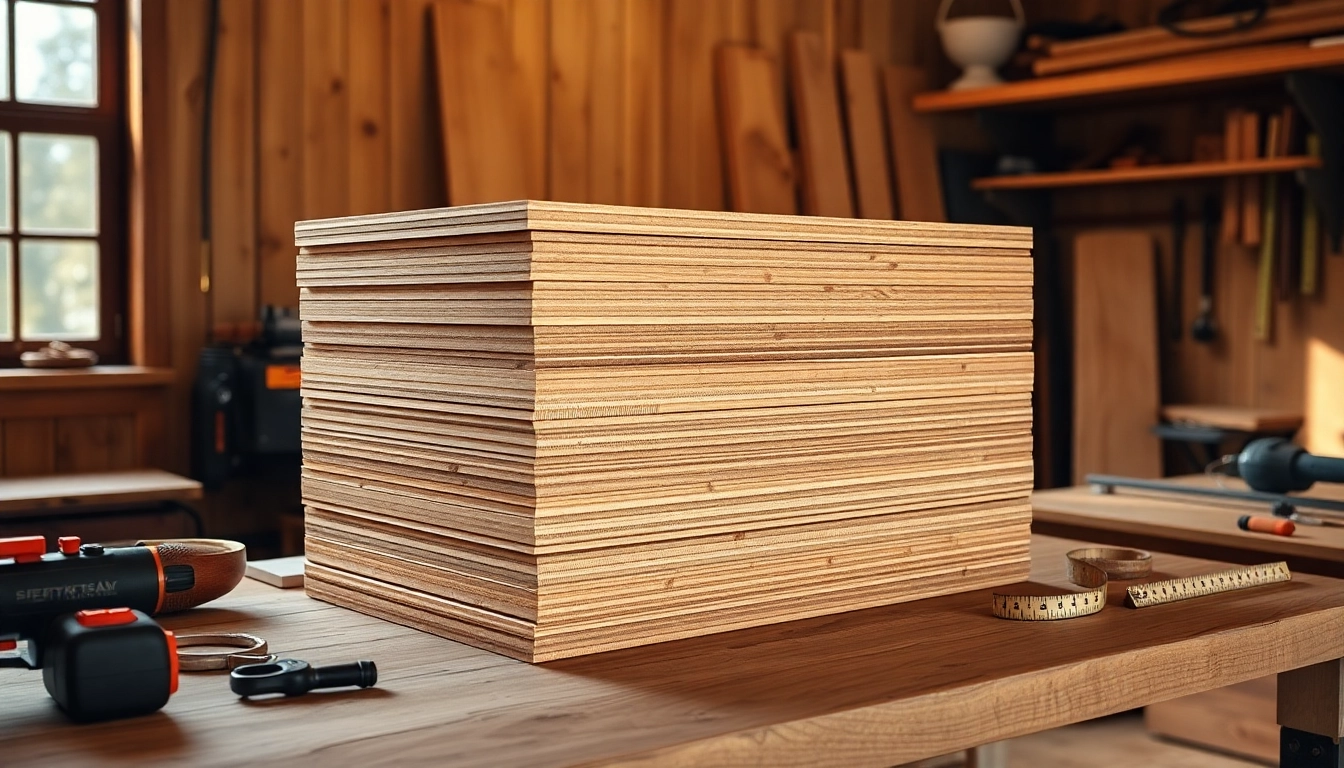
Understanding Hardwood Veneer Sheets
What are Hardwood Veneer Sheets?
Hardwood veneer sheets are thin slices of real hardwood, typically less than 3 millimeters in thickness, engineered to create an aesthetically pleasing finish while maintaining the physical properties of wood. These sheets are commonly glued onto core panels (like plywood, particle board, or MDF) to create a surface that appears solid wood. The process of producing hardwood veneer sheets involves careful cutting techniques, such as rotary cut, plain sliced, or quarter sliced, ensuring that the unique grain patterns of various wood species are preserved.
Benefits of Using Hardwood Veneer Sheets
Opting for hardwood veneer sheets provides multiple advantages:
- Aesthetic Appeal: Hardwood veneers display the intricate and natural beauty of wood grain, enhancing the visual appeal of various projects.
- Cost-Effective: Veneers offer a budget-friendly alternative to solid wood without sacrificing the high-quality appearance.
- Environmentally Friendly: Using less solid wood helps conserve natural resources since veneers can be made from fast-growing trees.
- Lightweight: Hardwood veneers are significantly lighter than solid wood, making them ideal for various applications.
- Stability: When glued to substrates, veneers minimize warping and cracking, providing durable and long-lasting surfaces.
Common Applications for Hardwood Veneer Sheets
Hardwood veneer sheets find numerous applications across various fields:
- Furniture Making: They are extensively used in crafting high-end furniture pieces, where the visual appeal of wood is desired.
- Cabinetry: Kitchen and bathroom cabinets often feature hardwood veneers for a stylish finish.
- Interior Design: Veneer applications range from wall paneling to custom-made doors, enhancing a room’s aesthetic.
- Musical Instruments: High-quality veneers are used in woodwind and string instruments to achieve both sound and beauty.
- Architectural Features: Veneers are used in creating detailed architectural elements like moldings and trims.
Choosing the Right Hardwood Veneer Sheets
Evaluating Quality and Grain Patterns
When selecting hardwood veneer sheets, it’s crucial to assess quality and grain patterns. High-quality veneers exhibit distinct, uniform grain patterns that contribute to their overall value. Look for veneers with minimal knots, splits, or defects, as these can compromise both aesthetics and integrity. Different cutting methods produce varying grain patterns—flat-slicing yields a cathedral grain, while quarter-slicing results in a straight pattern. Your choice should align with your project’s style and design vision.
Thickness and Size Options for Your Needs
Hardwood veneer sheets come in various thicknesses and sizes to suit different applications. The most typical thickness ranges from 0.5 mm to 3 mm, depending on the project’s requirements. Thicker veneers offer enhanced durability and are better suited for high-traffic areas, while thinner veneers excel in detail-oriented applications. Sizes vary widely, with common dimensions being 4′ x 8′ sheets, although custom sizes are also available. Choose thickness and size based on intended use, budget, and desired finish.
Where to Buy High-Quality Hardwood Veneer Sheets
Purchasing quality hardwood veneer sheets can significantly affect the results of your project. Highly regarded sources may include specialized lumber yards, woodworking supply stores, and reputable online marketplaces. When shopping, ensure you acquire samples first to inspect the color, grain, and quality before committing to larger purchases. Sites that focus on sustainable sourcing or offer a wide range of hardwood species can also enhance your project’s outcomes. For more information on where to purchase, consider exploring hardwood veneer sheets.
Working with Hardwood Veneer Sheets
Tools Needed for Cutting and Shaping
To work effectively with hardwood veneer sheets, certain tools are essential. A sharp utility knife is ideal for clean cuts, while a veneer saw can provide precision for more intricate designs. A straightedge helps keep cuts straight, and a cutting mat ensures safety and protects surfaces. For larger projects, consider a table saw or band saw for cutting sheets to size. Additionally, having a sanding block and an orbital sander can help achieve smooth edges and surfaces once your sheets are applied.
Tips for Gluing and Applying Hardwood Veneer Sheets
Proper application of hardwood veneer sheets plays a vital role in achieving a professional finish. Begin by ensuring surfaces are clean, dry, and free from dust. Use a high-quality adhesive specifically formulated for veneers, applying it evenly across the surface. After positioning the veneer, utilize a veneer press or clamps to ensure strong bonding. Pay attention to grain direction and alignment as you apply the sheets, maintaining consistent visuals throughout your project.
Finishing Techniques for a Professional Look
Finishing your hardwood veneer is crucial for protecting the wood and enhancing its natural beauty. Begin by sanding the applied veneer with a fine-grit sandpaper to smooth imperfections. Consider staining the veneer to achieve your desired color, but ensure compatibility with the adhesive used. After staining, applying a clear topcoat such as polyurethane ensures durability and offers a beautiful sheen. Multiple coats may be necessary, with light sanding in between to achieve a flawless finish.
Maintenance and Care for Hardwood Veneer Sheets
Best Practices for Longevity
To maximize the lifespan of hardwood veneer sheets, incorporate best maintenance practices. Protect them from direct sunlight to prevent fading, and maintain consistent indoor humidity to reduce warping. Regular cleaning prevents buildup; use a soft cloth and a pH-balanced cleaner to avoid damaging the surface. Avoid abrasive cleaners that can scratch the finish and detract from the wood’s beauty.
Cleaning and Refurbishing Techniques
For cleaning hardwood veneer sheets, dust regularly with a soft, dry cloth. If more thorough cleaning is necessary, slightly dampen the cloth with water or a gentle wood cleaner. For restoring the surface, consider using a fine abrasive pad to lightly buff out scuffs or scratches. In cases of severe wear, applying additional layers of finish can breathe new life into the veneer, making it look fresh and appealing once more.
Avoiding Common Mistakes with Veneer Care
Avoiding common pitfalls in veneer care ensures your projects remain vibrant and attractive. Never use excessive water when cleaning, as it can penetrate seams and lead to warping. Avoid placing hot items directly on veneer surfaces, as heat can damage the finish. Additionally, refrain from using chair mats made of rubber or other materials that can discolor the veneers over time. By following these precautions, you will help maintain the integrity and appearance of your hardwood veneer sheets.
FAQs About Hardwood Veneer Sheets
What are the main advantages of using hardwood veneer sheets?
Hardwood veneer sheets offer aesthetic beauty, cost efficiency, environmental benefits, lightweight properties, and enhanced stability when applied to substrates.
How do I apply hardwood veneer sheets to my project?
Start by cleaning the surface, applying adhesive evenly, and positioning the veneer sheets. Use clamps or a press for strong adhesion, while ensuring proper alignment of the grain.
Can I use hardwood veneer sheets for furniture making?
Yes, hardwood veneer sheets are commonly used in furniture making to provide a beautiful finish while being cost-effective compared to solid wood.
What tools are ideal for cutting hardwood veneer sheets?
A good utility knife, veneer saw, straightedge, and cutting mat are essential for cutting hardwood veneer sheets with precision during projects.
How should I maintain my hardwood veneer sheets?
Keep veneers clean with a soft cloth, protect from sunlight, control humidity, and use specific cleaners to prevent damage and ensure longevity.