
Maximizing Your Gaming Potential: Insights from https://www.trilgameshproject.com
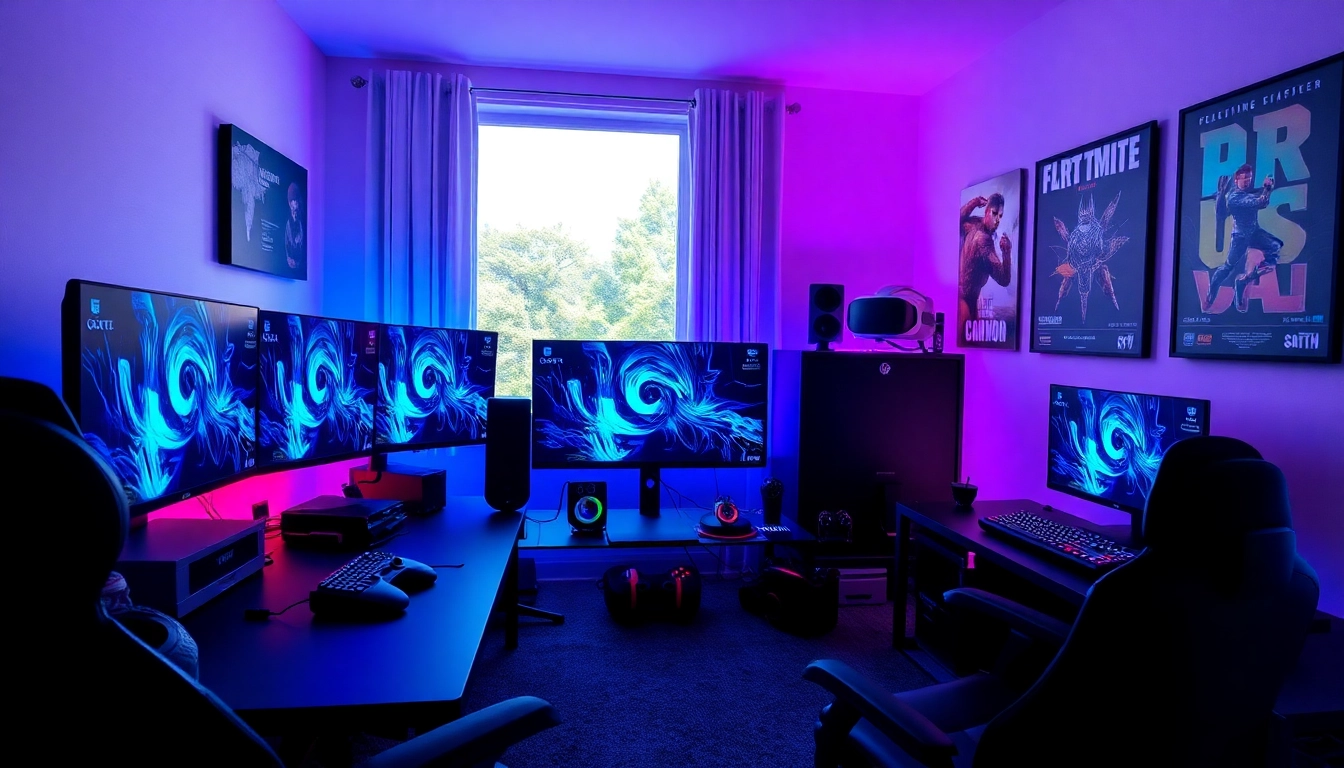
A Comprehensive Guide to Gaming Setup at https://www.trilgameshproject.com
In the ever-evolving landscape of the gaming world, creating the perfect gaming setup is critical for both casual and competitive players. The right equipment, environment, and understanding of game genres not only enhance your gaming experience but can also elevate your performance. At https://www.trilgameshproject.com, we delve into the nuances of optimizing your gaming environment for maximum efficiency and enjoyment.
Choosing the Right Equipment
Selecting the right gaming equipment is the foundation of a successful gaming experience. This section tackles the importance of hardware and peripherals, with a keen focus on how they affect gameplay.
1. Gaming Consoles vs. PC
Choosing between a gaming console and a PC is often the first decision gamers face. Each platform has its own advantages and disadvantages that cater to different preferences. Consoles, such as the PlayStation and Xbox, are generally more user-friendly and less expensive upfront. They offer exclusive titles and a standardized experience, meaning developers can optimize games for specific hardware.
On the other hand, gaming PCs provide unparalleled customization. Gamers can select their hardware specs, leading to potentially better performance in terms of graphics and frame rates. Additionally, PCs offer access to a broader library of games, including indie titles and mods that are not available on consoles. While initially pricier, the longevity and upgradability of PCs might justify the cost for dedicated gamers.
2. Essential Components for PCs
If the choice leans towards a gaming PC, several components deserve attention:
- Graphics Card (GPU): This is arguably the most critical component for gaming performance. A powerful GPU ensures smooth graphics and high frame rates.
- Processor (CPU): A strong CPU complements the GPU, especially in CPU-intensive games. Choosing a multi-core processor can enhance multitasking and reduce loading times.
- RAM: 16GB is considered the minimum for a gaming setup for smooth multitasking. More RAM can also enhance gameplay in memory-intensive games.
- Storage: Solid State Drives (SSD) offer significantly faster load times compared to traditional Hard Disk Drives (HDD). Consider a hybrid approach for the best of both worlds.
- Cooling System: Efficient cooling can prolong the life of components and maintain optimal performance, especially during intense gaming sessions.
3. Peripherals That Matter
Peripherals also play a significant role in overall gaming setup:
- Monitor: High refresh rate monitors (144Hz and above) offer smoother gameplay, essential for competitive gaming.
- Mouse: A gaming mouse with adjustable DPI settings can greatly enhance aiming precision.
- Keyboard: Mechanical keyboards are popular among gamers for their tactile feedback, which aids in typing speed and accuracy.
- Headset: A good headset enhances immersion and allows for clear communication in multiplayer settings.
Creating an Engaging Environment
Your gaming environment is just as important as the equipment you use. An engaging and comfortable space helps to enhance focus and prolong gaming sessions.
1. Ergonomic Furniture
Investing in ergonomic furniture can prevent discomfort and improve posture during extended gameplay. A gaming chair that supports the natural curve of the spine reduces the risk of injury. Likewise, having a desk at the right height is paramount for comfort and efficiency.
2. Ambient Lighting
Lighting can significantly affect the gaming atmosphere. Use RGB lighting or smart bulbs to create an immersive environment that matches the aesthetic of the games being played. Avoid harsh overhead lights; softer task lighting is preferable.
3. Sound Management
Sound plays a vital role in gaming immersion. Optimize your sound setup by using acoustic panels or rugs to dampen excessive echo. Additionally, consider using a high-quality sound system that can handle an immersive audio experience.
Understanding Game Genres
Lastly, familiarity with various game genres can greatly enhance the gaming experience. Each genre presents unique mechanics and narratives that appeal to different players.
1. Action Games
Action games are characterized by fast-paced gameplay that requires quick reflexes. Players often engage in combat, platforming, or driving mechanics. Games in this genre often have competitive elements, making them popular in Esports.
2. Role-Playing Games (RPGs)
RPGs focus on storytelling, character development, and world-building. Players take on the roles of characters within a narrative, often making choices that influence the game world. RPGs can be single-player or multiplayer, showcasing deep narratives and complex mechanics.
3. Strategy Games
These games require players to make tactical decisions in real-time or turn-based scenarios. Managing resources, units, and terrain plays a crucial role. Strategy games often require a combination of critical thinking and foresight to achieve victory.
Best Practices for Online Gaming Community Engagement
Engaging with the gaming community enhances the multiplayer gaming experience. Building relationships, fostering positive interactions, and leveraging online platforms can lead to a more fulfilling gaming experience.
Building Relationships with Fellow Gamers
Building connections with fellow gamers is essential for enjoyment in online gaming. This can lead to lasting friendships and support networks. Here are some strategies for cultivating these relationships:
1. Join Online Forums and Discord Servers
Finding active forums or Discord servers dedicated to your favorite games opens avenues for interaction. Engage in conversations, seek advice, and share experiences to forge connections with like-minded individuals.
2. Participate in Game Events
Many games host community events, tournaments, and contests. Participation not only enhances your skills but allows for natural interactions with other players, creating a shared bond over the gaming experience.
3. Support Your Peers
Encouragement and support go a long way in building relationships. Celebrate your friends’ achievements, whether online or offline. This creates a positive community atmosphere where everyone feels valued.
Strategies for Positive Interaction
Maintaining a positive online presence is crucial for building a healthy gaming community. Follow these tips to foster productive interactions:
1. Practice Good Sportsmanship
Whether you win or lose, demonstrating sportsmanship is vital. Congratulate opponents on their success and avoid toxic behavior in chat. This fosters a respectful environment.
2. Be Constructive
When offering feedback, focus on constructive criticism that can help fellow gamers improve. This promotes a culture of growth rather than negativity.
3. Manage Conflicts Calmly
Disputes in online gaming are common. Address conflicts calmly and respectfully. Use private messages to resolve issues without escalating public arguments.
Leveraging Online Platforms
The internet offers numerous platforms for gamers to connect and share. Utilize these platforms to maximize your community engagement:
1. Social Media
Platforms like Twitter, Instagram, and Facebook allow for broader interaction. Sharing moments from gaming sessions or streaming can keep your followers involved and engaged.
2. Streaming Services
Consider streaming your gameplay on platforms like Twitch or YouTube. Live streaming creates real-time interactions with viewers, fostering a sense of community and connection.
3. Game-Specific Platforms
Many games have their own community hubs (like forums and dedicated social media pages), offering another layer of engagement. Involve yourself in these spaces to deepen your connections with fellow gamers through shared interests.
Analyzing Game Performance Metrics
Understanding game performance metrics is essential for improving skills and optimizing gameplay. By analyzing both in-game analytics and personal progress, gamers can identify areas for improvement.
Understanding In-Game Analytics
Many modern games come equipped with built-in analytics tools that provide valuable insights into gameplay performance. This section covers how to utilize these analytics effectively:
1. Monitoring Key Success Metrics
Identify key performance indicators (KPIs) specific to your game. Common metrics include kill/death ratios in shooter games or win rates in strategy titles. Monitoring these stats can help you gauge your progress effectively.
2. Analyzing Gameplay Patterns
Many games allow for replay analysis, which can reveal gameplay patterns and areas for improvement. Take time to analyze past performances, focusing on decision-making and strategy execution during crucial moments.
3. Utilize Third-Party Tools
Several third-party tools can track your performance across multiple games. These applications provide detailed breakdowns of gameplay statistics, giving a broader picture of performance trends over time.
Tracking Personal Progress
Beyond in-game analytics, tracking personal progress adds an extra layer of accountability:
1. Set Realistic Goals
Establish measurable goals for your gaming progress. Whether it’s reaching a certain rank or improving a skill, having clear objectives helps you stay focused on areas needing improvement.
2. Keep a Gaming Journal
Documenting your gaming experiences provides valuable insights into your development as a player. Include details about gameplay sessions, challenges faced, and learnings gained.
3. Compare Metrics Over Time
Regularly reviewing your progress can highlight both growth areas and stagnation. Analyze how you’ve improved or decreased in specific skills, and adjust your focus and practice strategies accordingly.
Improving Skills Using Data Analysis
Data analysis is a powerful tool for gamers looking to enhance their skills systematically:
1. Identify Bottlenecks
Use metrics to identify specific areas where you struggle. Whether it’s aiming precision or game sense, pinpointing bottlenecks can better inform your training efforts.
2. Review Training Methods
If certain practice methods aren’t yielding results, reevaluate and adapt your training approach. This may include adjusting routine drills, seeking coaching, or engaging with community resources.
3. Leverage Competitive Play
Competitive play exposes players to higher skill levels, pushing them to adapt and improve quickly. Engage in ranked matches or tournaments to continuously challenge yourself under pressure.
Networking and Collaboration in the Gaming World
Networking with other gamers and collaborating on gaming projects can exponentially enhance the gaming journey. This section discusses how to build connections and leverage them effectively.
Identifying Collaboration Opportunities
Collaboration in the gaming world opens doors to new experiences and learning:
1. Online Communities
Participate in gaming communities that align with your interests. Many gamers actively seek team-based projects or collaborative gameplay, enhancing both skills and enjoyment.
2. Content Creation
Collaborating with content creators can lead to unique experiences, whether through joint streams or co-op play. These partnerships expand your audience reach and offer varied perspectives.
3. Networking at Events
Attending gaming conventions or community events provides excellent opportunities to network. Engaging in conversations, participating in workshops, or joining panels unveils collaborative possibilities.
Creating Teams for Competitive Play
For those inclined towards competitive gaming, forming a team opens avenues for structured play:
1. Define Roles and Goals
Establish clear roles within the team based on members’ strengths. Define the team’s goals, whether it’s climbing ranks, competing in tournaments, or improving as a collective.
2. Regular Practice Sessions
Implementing a dedicated practice routine helps build synergy and improves overall performance. Regular analysis of practice games allows the team to refine strategies and tactics.
3. Communication is Key
Utilize platforms like Discord for clear communication during practice and gameplay. Together, establish teamwork protocols, callouts, and emergency plans for peak performance.
Engaging in Community Events
Participating in community events showcases team spirit and gaming passion:
1. Join Local Tournaments
Local tournaments strengthen community ties while allowing for live competition experiences. Engaging with local gamers can lead to lasting friendships and partnerships.
2. Contribute to Charity Events
Involvement in charity gaming events boosts community engagement while supporting a good cause. These activities refine your skills and emphasize the social responsibility that comes with gaming.
3. Host Community Game Nights
Creating opportunities for casual gameplay nights fosters a sense of belonging among community members. These events provide relaxation while opening social channels for gamers.
The Future of Gaming: Trends and Innovations
As gaming continues to evolve, emerging technologies and anticipated game releases shape the future. Here’s a glimpse of what to expect:
Emerging Technologies in Gaming
The gaming industry remains a fertile ground for technological advancements, enhancing gameplay experiences.:
1. Virtual Reality (VR) and Augmented Reality (AR)
VR and AR are transforming how games are played by immersing players in dynamically interactive worlds. With advancements in hardware, these technologies are set to become more accessible and popular.
2. Artificial Intelligence (AI)
AI is being integrated into games for dynamic storytelling, smarter NPCs (non-player characters), and personalized gameplay experiences. Future developments promise even richer narratives and interactions.
3. Cloud Gaming
Cloud gaming allows players to play high-quality games across devices without the need for powerful hardware. This shift could democratize gaming, allowing more individuals to access and enjoy games.
Anticipated Game Releases
With the gaming world constantly evolving, numerous game releases are highly anticipated:
1. Next-Gen Titles
Games crafted for next-generation consoles take advantage of advanced hardware to offer rich graphics and open-world experiences. Look for engaging narratives and deep gameplay mechanics.
2. Indie Games
The indie gaming scene continues to thrive, delivering innovative ideas and unique gameplay experiences. These indie titles often offer fresh narratives and creative mechanics that challenge conventional gaming norms.
3. Expansion Packs and Sequels
Sequels and expansion packs to beloved franchises promise to build on existing lore and gameplay, adding depth to already established universes. Expect the blend of nostalgia and innovative features in these releases.
Shaping the Future of Online Gaming Communities
The way online gaming communities evolve will define the industry’s landscape:
1. Inclusivity and Diversity
The growing emphasis on inclusivity in gaming has made strides in ensuring diverse voices are heard. Community initiatives that focus on underrepresented groups create welcoming environments for all players.
2. Enhanced Community Guidelines
As gaming communities strive for safer environments, refined community guidelines will help curb toxic behaviors. Clear policies and moderation tools reinforce positive interactions and foster community growth.
3. Cross-Platform Play
Cross-platform functionality allows players from different devices to engage in multiplayer games. This trend expands communities, ensuring diverse players unite over shared interests regardless of hardware.