
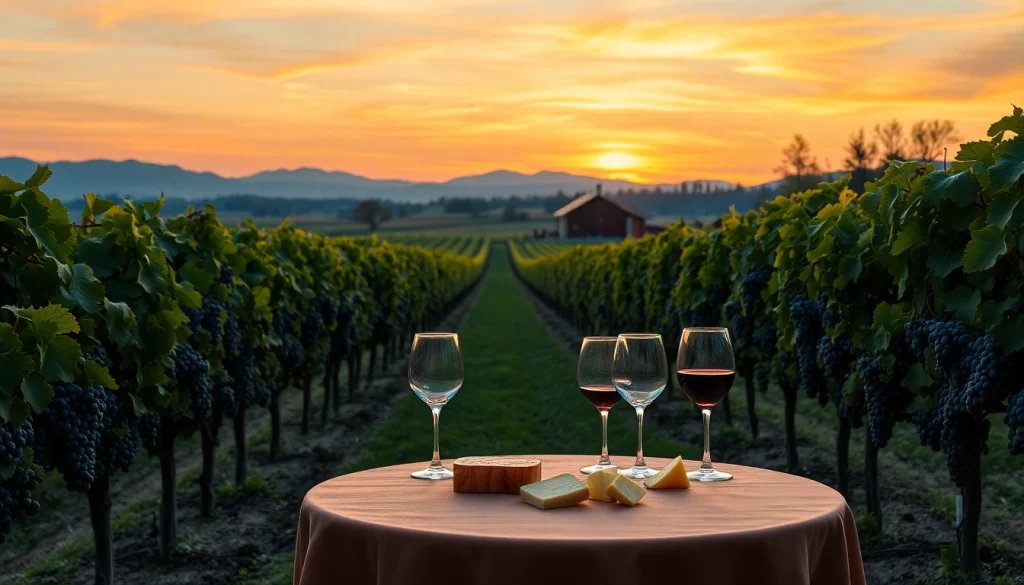
Introduction to Clarksburg Wineries
Nestled in the heart of Northern California, Clarksburg is becoming increasingly recognized for its contributions to the wine industry. Boasting a unique climate and soil composition, this quaint town along the Sacramento River is home to several exceptional wineries that are making a name for themselves in the global wine community. Whether you’re a seasoned connoisseur or just beginning to appreciate the finer nuances of wine, exploring the clarksburg wineries offers a delightful experience.
As we delve deeper into the rich history, variety of wines, and distinct terroir of Clarksburg, it becomes clear why this region is often overlooked but worthy of attention. From the local grape varieties that thrive here to tips for your visit, the world of Clarksburg wineries is filled with intrigue and satisfaction.
History of Wine Production in Clarksburg
The history of wine production in Clarksburg dates back to the mid-19th century when Italian immigrants settled in the area, bringing with them a wealth of viticultural knowledge. These early pioneers understood the importance of climate and soil, carefully selecting varietals that would flourish in the region’s alluvial soil.
During Prohibition, many wineries faced closure, but a few resisted, adapting their production methods and maintaining a connection to the land. As the 20th century rolled around, Clarksburg saw a resurgence in winemaking, with the establishment of several renowned wineries.
Key milestones in the Clarksburg wine history include the establishment of the Clarksburg Wine Alliance in 2002, which united local producers to promote and preserve the region’s winemaking heritage. Today, Clarksburg is not only known for its high-quality wines but also for its commitment to environmentally sustainable practices, ensuring the land remains fertile for future generations.
Overview of Local Grapes and Wine Varieties
Clarksburg is primarily noted for its exceptional grape varieties that thrive in its unique climate. The region’s Mediterranean climate, characterized by warm days and cool nights, is ideal for growing a variety of grapes, including:
– Chardonnay: This flagship varietal comes in many styles, from crisp and clean to richly oaked.
– Sauvignon Blanc: Known for its bright acidity and citrus notes, Sauvignon Blanc from Clarksburg possesses a vibrant character.
– Cabernet Sauvignon: While more commonly associated with Napa Valley, Clarksburg produces some commendable Cabernets that reflect the region’s terroir.
– Zinfandel: A true American classic, this grape flourishes in Clarksburg, resulting in wines characterized by juicy fruit and peppery spice.
Additionally, lesser-known varietals such as Tempranillo and Barbera are also gaining popularity among local wineries, showcasing the region’s diversity and dedication to innovation in winemaking.
What Makes Clarksburg Unique?
Clarksburg’s uniqueness can be attributed to several factors:
1. Geography and Climate: The proximity to the Sacramento River offers a unique microclimate that influences grape growing. The river provides moderation in temperatures, ensuring a longer growing season for grapes.
2. Soil Composition: The alluvial soils found in Clarksburg are rich in nutrients, providing a fertile ground for grower’s grapes.
3. Community Focus: Unlike many large wine-producing regions, Clarksburg is home to numerous small, family-owned wineries that emphasize quality over quantity. Their commitment to traditional winemaking practices allows for unique expressions of each varietal.
4. Sustainable Practices: Many Clarksburg wineries prioritize sustainable farming methods, ensuring minimal environmental impact while producing high-quality wines.
5. Cultural Heritage: The influence of immigrant winemakers is deeply woven into the fabric of Clarksburg’s wine culture, adding layers of traditional techniques and flavors to the wines produced.
Recommended Clarksburg Wineries to Visit
When it comes to experiencing Clarksburg’s burgeoning wine scene, there are several must-visit wineries that cater to different tastes and preferences. Here, we’ll explore the standout tasting rooms that offer exceptional wines and unique experiences.
Top Tasting Rooms and Their Offerings
1. Bogle Vineyards
Known for its rich history and commitment to sustainable practices, Bogle Vineyards offers a warm and inviting tasting room where you can sample an array of wines. They are particularly famous for their Petite Sirah and Chardonnay.
2. Stewart Cellars
A newer addition to the Clarksburg wine scene, Stewart Cellars crafts small-batch wines with a focus on quality. Their Cabernet Sauvignon and Sauvignon Blanc are must-tries, and their tasting room provides a stunning view of the vineyards.
3. Cedar View Winery
This boutique winery offers an intimate tasting experience, where guests can savor their hand-crafted wines, which range from Syrah to Zinfandel. The vineyard itself is picturesque, making it perfect for a leisurely afternoon getaway.
4. Clarksburg Wine Company
With a focus on local varietals, Clarksburg Wine Company showcases wines typical of the region. Their tasting room is a great stop for both wine enthusiasts and novices alike.
Signature Wines to Try at Each Winery
– Bogle Vineyards: Don’t miss their Essential Red blend, which combines Zinfandel, Syrah, and Cabernet Sauvignon for a rich, fruit-forward profile.
– Stewart Cellars: Their Cabernet Sauvignon is a standout, boasting deep flavors of dark fruit and a balanced oak finish.
– Cedar View Winery: The Syrah here features ripe berry notes with a hint of spice, making it memorable for red wine lovers.
– Clarksburg Wine Company: Try their unique blend of Sauvignon Blanc, which has a pronounced minerality and refreshingly crisp finish.
Visitor Experiences and Amenities
Every winery in Clarksburg offers distinct visitor experiences that enhance your tasting journey:
– Guided Tours: Many wineries offer guided vineyard tours where guests can learn about the viticulture process, from grape-growing to winemaking.
– Picnic Areas: Several wineries have designated picnic spots allowing visitors to enjoy their wine alongside a meal or snack while soaking in the scenic views.
– Events and Tastings: Seasonal events such as harvest parties and wine-pairing dinners provide unique opportunities for guests to engage with winemakers and fellow wine enthusiasts.
– Educational Workshops: Some wineries host workshops on topics such as wine blending or pairing, thus providing a hands-on learning experience to enhance your wine knowledge.
Planning Your Visit to Clarksburg Wineries
To fully enjoy the bounty of Clarksburg’s wineries, planning your visit can enhance the experience. Below are some insights on timing, transportation, and making the most out of your journey.
Best Times to Visit and Seasonal Events
The ideal time to visit Clarksburg is during the fall, especially from late September to mid-November, when the vineyards showcase their harvest colors, creating a stunning backdrop for wine enthusiasts. Spring, particularly around April, is also a beautiful time to visit as the vines begin to bloom.
Seasonal events like harvest festivals often take place during autumn, featuring live music, food trucks, and special tasting events. These gatherings allow you to mingle with winemakers and gain deeper insights into their passion for winemaking.
Summer offers longer days for leisurely tastings, while winter welcomes cozy tastings complete with hearty food pairings. Regardless of when you choose to visit, Clarksburg wineries provide a unique charm in every season.
Transportation Options and Nearby Attractions
When planning your visit, consider your transportation options:
– Driving: Renting a car provides the freedom to explore the region at your own pace. Be sure to designate a driver or consider hiring a driver service if you plan to indulge in tastings.
– Biking: If you’re feeling adventurous, consider a bike tour of the vineyards. Many companies offer bike rentals and guided tours through the picturesque landscapes.
– Local Attractions: While in Clarksburg, visit nearby cities like Sacramento. The capital offers museums, vibrant restaurants, and shopping opportunities that can complement your wine tour.
Tips for a Memorable Wine Tour Experience
To ensure your winery visit is enjoyable, consider the following tips:
– Make Reservations: Some wineries require reservations for tastings, especially during peak seasons. It’s best to call ahead or book online.
– Arrive Early: Starting your day early allows mixing wine tasting with leisure, making the entire experience more enjoyable without the crowds.
– Stay Hydrated: Drink water in between tastings to stay refreshed and to avoid dehydration.
– Enjoy Responsibly: Always have a designated driver if you plan to indulge in tastings, or consider joining a wine tour.
Pairing Food with Clarksburg Wines
Wine and food pairing elevates both the dining and tasting experience, and Clarksburg’s local cuisine offers fantastic options that complement the region’s wines.
Local Cuisine That Complements Clarksburg Wines
Clarksburg’s culinary scene celebrates its agricultural bounty, blending fresh produce with delightful wine pairings. Here are some food choices that pair wonderfully with Clarksburg wines:
– Fresh Fish Tacos: These are a delightful pairing with the region’s crisp Sauvignon Blanc, enhancing the wine’s acid and citrus notes.
– Grilled Vegetables: Their earthy flavors complement the richness of a Chardonnay beautifully, providing a satisfying balance.
– Hearty Pasta with Red Sauce: Zinfandel’s fruitiness pairs well with pasta dishes, enhancing the spices in the sauce.
– Cheese Platters: Local cheeses, especially aged varieties, harmonize fantastically with many reds and whites from Clarksburg.
Cheese and Wine Pairing Recommendations
Pairing cheese with Clarksburg wines can be effortless with just a bit of understanding:
– Chardonnay and Brie: The creaminess of brie complements the buttery notes often found in an oaked Chardonnay.
– Sauvignon Blanc and Goat Cheese: The zesty acidity in Sauvignon Blanc resonates beautifully with the tanginess of goat cheese.
– Cabernet Sauvignon and Aged Cheddar: The sharpness of aged cheddar balances with the bold flavors found in a Cabernet Sauvignon.
– Zinfandel and Blue Cheese: The bold fruit flavors of Zinfandel make it an excellent companion for the intense profile of blue cheese.
Hosting Wine Tastings at Home with Clarksburg Selections
Hosting a wine tasting at home can be an enjoyable and educational experience:
1. Choose a Theme: Decide if you want to focus on a single varietal, complement variations of a particular wine, or showcase different releases from Clarksburg.
2. Set the Scene: Create an inviting atmosphere with candles, comfortable seating, and a table for featured wines and tasting notes.
3. Prepare Pairings: Offer a selection of cheeses, charcuterie, and light snacks that enhance the wine flavors.
4. Invite Friends: Keep your group small for an intimate experience that allows for sharing thoughts and impressions on the wines.
5. Guide the Experience: If you’d like, present tasting notes on each wine, including aspects like aroma, flavor profile, and pairing options.
The Future of Winemaking in Clarksburg
As the Clarksburg wine industry continues to evolve, the future holds exciting possibilities for both producers and wine lovers alike.
Environmental Practices in Local Wineries
Sustainability is at the forefront of many Clarksburg wineries. Many producers have adopted environmentally-friendly practices, such as:
– Organic Farming: Some wineries are transitioning to organic farming, avoiding synthetic pesticides and herbicides to protect the natural ecosystem.
– Water Conservation: With innovative irrigation systems, wineries are conserving water while ensuring their grapes receive adequate hydration.
– Solar Power: Adoption of solar energy helps reduce the carbon footprint of wine production and operations.
These initiatives not only protect the environment but also contribute to the quality of wine produced, reflecting a philosophy of respect for the land.
Innovative Trends in Clarksburg Winemaking
The winemaking landscape is experiencing exciting trends in Clarksburg:
– Natural Wine Movement: The emergence of natural wines, with minimal intervention and additives during production, is becoming more popular among local winemakers.
– Experimental Varietals: Wineries are also exploring lesser-known grape varietals to diversify their offerings and showcase the potential of Clarksburg’s terroir.
– Sustainability Certifications: Many wineries are seeking certifications to demonstrate their commitment to sustainable and organic practices.
As these trends flourish, the diversity and quality of wines produced in Clarksburg are expected to rise.
Community Involvement and Wine Festivals
Community is a vital component of Clarksburg’s winemaking ethos. Through various events and festivals, local wineries foster connections and share their passion for wine:
– Clarksburg Wine Festival: This annual event showcases local wines paired with gourmet food, live music, and community engagement.
– Collaborative Projects: Wineries frequently collaborate on projects aimed at promoting the region, combining resources for mutual benefits.
– Education Initiatives: Some wineries lead workshops and classes, allowing the public to learn more about the winemaking process and appreciate the skill involved in producing great wine.
The future of Clarksburg’s wineries is not just about the wine; it’s about the community behind it, fostering a strong connection to each other and their craft.