
Choosing the Best Fly Fishing Combo for Every Skill Level
Understanding Fly Fishing Combos
What is a Fly Fishing Combo?
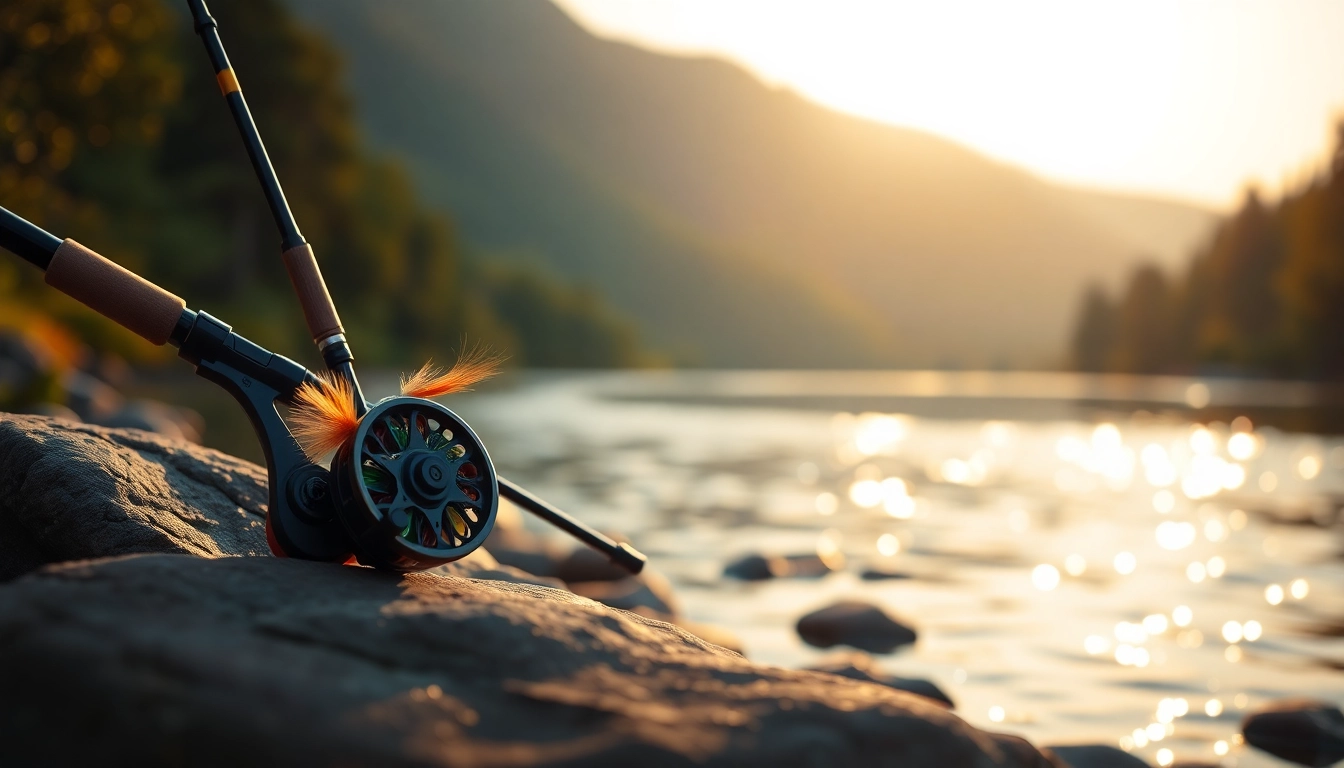
A fly fishing combo is a carefully curated set of equipment designed to enhance the fly fishing experience, particularly for anglers who are just starting or those looking to streamline their gear. Generally, a fly fishing combo includes a fly rod, a fly reel, and a fly line—all perfectly matched for optimal performance. By purchasing a combo, anglers ensure that the components work harmoniously together, minimizing the complexity of selecting individual pieces of equipment. This all-in-one solution often comes at a more affordable price point than buying each component separately, providing a convenient entry point into the sport of fly fishing. For those interested in exploring quality combinations available, a fly fishing combo can often provide the best starting point.
Key Components of a Fly Fishing Combo
When evaluating a fly fishing combo, several key components come into play. Understanding these elements can help you make informed decisions about what to look for in your combo:
- Fly Rod: The fly rod is a long, flexible rod that casts the fly line and the fly. Rod lengths and weights can vary greatly, depending on the type of fishing you plan to do.
- Fly Reel: The reel stores the fly line and provides resistance to catch fish. A good reel should balance with the rod and smoothly release line when casting.
- Fly Line: Designed specifically for fly fishing, the line can be floating, sinking, or intermediate. The type depends on your fishing conditions and the target species.
- Backing Line: This is optional but often included in combos. It provides extra length for the fish to take before the main line runs out, crucial for deep-running species.
- Leader and Tippet Material: The leader is attached to the fly line, while tippet is the final segment connecting the leader to the fly. These components are essential for making your fly presentation realistic.
Benefits of Using a Combo
There are numerous advantages to opting for a fly fishing combo, particularly for beginners:
- Simplicity: Combos take out the guessing game of matching gear, streamlining the selection process and making it easy for beginners to get started.
- Cost-Effective: Purchasing a combo often results in financial savings when compared to buying each component separately.
- Performance Matching: Components are designed to work together, resulting in a better overall performance when making casts or battling fish.
- Ready-to-Fish: Combos typically come pre-assembled with all necessary components, allowing anglers to hit the water quickly.
Choosing the Right Fly Fishing Combo for Beginners
Essential Features for Beginners
When choosing a fly fishing combo, especially for beginners, it is essential to prioritize specific features that enhance ease of use:
- Weight and Length: A lighter, shorter rod (typically in the 8-9 foot range) around a 5-6 weight is often easier to handle, making casting simpler.
- Action Flexibility: A medium-action rod offers a good balance of power and sensitivity, making it versatile enough for diverse fishing conditions.
- Durable Materials: Look for rods made from durable materials such as graphite or fiberglass, which can withstand beginner mishaps.
- Easy-to-Use Reel: A simple, reliable reel with a smooth drag system allows for better line control and minimizes frustration.
Cost-Effective Options
For budget-conscious beginners, cost-effective fly fishing combos can provide great value without sacrificing essential performance:
- Entry-Level Brands: Brands such as Redington, Orvis, and Pflueger offer great starter combos around the $200-300 price range.
- Deals and Package Offers: Many distributors often bundle rods, reels, and lines at discounted rates, making it worthwhile to shop around.
- Used Gear: Consider purchasing second-hand combos from reputable sources. They can be a great way to save money while still getting quality equipment.
Top Brands for New Anglers
Several brands are well-regarded within the angling community for producing reliable and accessible fly fishing combos:
- Redington: Known for their budget-friendly fishing rods, Redington combos come with quality components and reliable performance.
- Orvis: While slightly higher in price, Orvis is famed for quality and offers solid beginner models that don’t compromise performance.
- Pflueger: An established name in the fishing gear industry, Pflueger’s combos are celebrated for value and functionality.
Intermediate Fly Fishing Combos: Upgrading Your Gear
When to Upgrade Your Combo
So when should an intermediate angler consider upgrading their combo? Common indicators include:
- Increased Skill Level: As casting techniques improve, newer anglers often benefit from rods that offer greater sensitivity and responsiveness.
- Expanding Fishing Locations: If you’re looking to fish in different environments or targeting various fish species, specialized and higher-quality gear may be necessary.
- Performance Issues: If you find yourself struggling with your current setup—like inconsistent casting or difficulty reeling in fish—it might be time to upgrade.
Features to Look For
When upgrading, certain features should be considered to maximize performance:
- More Specialized Rods: Intermediate anglers should look for rods that match their specific fishing environments or species.
- Improved Reel Mechanics: Investing in a reel with high-quality drag systems that provide smooth performance can make a significant difference.
- Advanced Fly Line Technology: Explore different line types—weighted lines, specialized tapers—to achieve better casting techniques.
Recommended Intermediate Combos
Here are some exceptional fly fishing combos designed for intermediate anglers:
- Winston VSL Fly Rod Combo: This premium option combines a responsive rod with a high-quality reel, designed for versatility across various fishing conditions.
- Loop Opti Stream Fly Combo: A compact, high-performance setup recognized for durability and performance, perfect for those starting to refine their skills.
- Echo Base Fly Rod Combo: A great choice for intermediate anglers, the Echo Base offers amazing sensitivity and construction quality for an incredibly low price.
Advanced Fly Fishing Combos for Professionals
Customizing Your Fly Fishing Combo
For seasoned anglers, customizing your fly fishing combo enables a tailored experience that meets specific fishing needs. Customization can include:
- Hybrid Rod Designs: Many professional anglers opt for customizing rod lengths and action types to match their fishing style.
- Specialized Reels: Investing in high-end reels with advanced drag systems ensures you are ready for challenging fish species.
- Tailored Leaders and Tippets: Customize the leader length and tippet size based on fishing conditions—providing the perfect setup every time.
Technology in Advanced Gear
Today’s advanced fly fishing gear is not just about physical attributes; technology plays a pivotal role as well:
- Carbon Fiber Construction: Improved material science has led to lighter yet stronger rod designs that enhance overall performance.
- Smart Reels: Some reels now come with technology that allows anglers to monitor line tension, helping ensure optimal setups when fishing.
- Line and Taper Innovations: Flies now have specialized lines designed with a specific taper – enhancing casting distance and accuracy.
Professional Recommendations
Some recommended combos for advanced anglers include:
- Scott Radian Fly Rod Combo: Known for its combination of power and finesse—perfect for challenging conditions and demanding fish.
- Abel Super Series Reels: High-end reels that feature lightweight yet robust design for professional performance.
- Simms G3 Bootfoot Waders: While not a traditional combo, investing in quality waders can dramatically improve your fishing experience in diverse water types.
Maintenance Tips for Your Fly Fishing Combo
Cleaning and Care
Maintaining your fly fishing combo ensures longevity and optimal performance. Key maintenance practices include:
- Rinse After Use: Saltwater and freshwater both can corrode gear. Always rinse your fly rod and reel after fishing, especially in saltwater.
- Inspect Equipment: Regularly check your rod, reel, and line for any signs of wear or damage to prevent issues while on the water.
- Dry Properly: Never leave your gear damp as this can lead to mold or mildew forming on your equipment.
Storage Solutions
Proper storage prolongs the life of your gear, so consider the following:
- Rod Cases: Use a protective rod case to prevent damage during transportation or storage.
- Organized Reel Storage: Store reels in a protective pouch or box to minimize dust and damage.
- Climate Control: Store your equipment in a climate-controlled area to avoid significant temperature fluctuations.
When to Replace Parts
Knowing when to replace parts of your fly fishing setup is crucial for maintaining functionality:
- Worn Fishing Line: Replace your fly line every 1-2 years, or more frequently if it shows signs of wear and tear.
- Broken Guides: If rod guides become chipped or broken, they can hinder your casting ability and should be repaired or replaced.
- Reel Drag Issues: If your reel is not providing smooth drag, consider replacing it or consulting a professional to troubleshoot it.