Understanding the Auto Cars Show Landscape
The Significance of Auto Shows
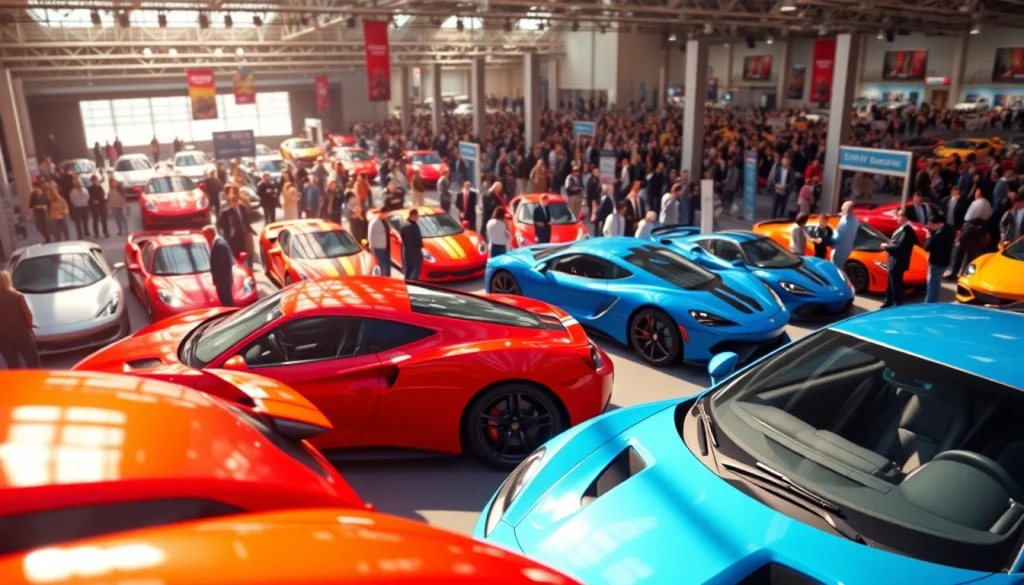
Auto shows are pivotal events for the automotive industry, serving as an interactive platform where manufacturers, enthusiasts, and consumers converge. They provide an opportunity for automakers to unveil their latest innovations, showcase new models, and connect with their target audiences. The significance of auto shows extends beyond just displaying vehicles; they play an essential role in shaping market trends and consumer preferences in a rapidly evolving industry. By focusing on sustainability, electrification, and advanced technologies, manufacturers can gauge public reaction and adjust their strategies accordingly. Furthermore, they yield invaluable feedback from attendees, which can steer future developments. Attending a well-organized Auto Cars Show can be a transformative experience, offering insights into the future of mobility.
Major Events and Their Locations
Across the United States, several auto shows have turned into landmark events, drawing thousands of attendees each year. The New York International Auto Show, held annually in Manhattan, is known for its massive exhibition area that covers over one million square feet. Among the various attractions are interactive exhibits and the latest vehicle innovations from prominent manufacturers. Meanwhile, the Chicago Auto Show, the country’s largest auto show, allows attendees to experience an extensive array of vehicles, ranging from electric models to classic cars. The Detroit Auto Show, another highlight, emphasizes the automotive legacy of its home city and often features advanced technology presentations. Additionally, regional shows such as the Cleveland Auto Show and Houston Auto Show provide local consumers with firsthand access to new models and the latest automotive technologies.
What to Expect at an Auto Cars Show
Auto cars shows are immersive experiences filled with engaging displays, presentations, and networking opportunities. Attendees can expect to see a range of vehicles from luxury cars to budget models, each showcasing unique features and technological advancements. Demonstrations of the latest automotive innovations, such as autonomous driving capabilities and electric vehicle technologies, are commonplace. Furthermore, guest speakers and industry experts often lead insightful discussions about trends in the automotive sector. Interactive zones, where visitors can participate in test drives or digital experiences, also enhance the experience, allowing attendees to engage directly with the vehicles on display.
Innovations Shaping the Future of the Auto Cars Show
Electrification and Hybrid Technology
Electrification is the core theme at the forefront of automotive innovation. As consumers increasingly prioritize sustainability, electric and hybrid vehicles are gaining rapid traction. Major automakers are investing heavily in new electric models and improving battery technologies to address the challenges of range anxiety and charging infrastructure. Integrated vehicle technologies, such as regenerative braking and advanced battery management systems, are showcased extensively at auto shows, demonstrating how far the industry has come in optimizing electric vehicle performance. Visitors can experience firsthand the efficiency and sustainability of these innovations, helping to shape consumer attitudes toward adoption.
Autonomous Vehicle Showcases
The emergence of autonomous vehicles is setting the stage for futuristic transportation experiences. Auto shows are increasingly featuring demonstrations of driver-assistance technologies and fully autonomous concepts, showcasing advancements in artificial intelligence and machine learning. Attendees may have the opportunity to experience driverless cars through virtual reality or onboard demonstrations, providing invaluable insights into how these technologies work. The challenges and regulatory hurdles surrounding full autonomy are hot topics, prompting discussions on safety, ethics, and societal impact, all of which are vital for understanding the future of automotive transportation.
Interactive Exhibits and Engagements
Engagement is a critical component of the auto show experience, with many exhibitors incorporating interactive elements to draw in attendees. Virtual reality installations allow visitors to simulate driving experiences or explore car interiors in immersive environments. Moreover, gamification strategies where attendees can engage in challenges or competitions related to vehicle knowledge enhance the overall experience. Manufacturers often employ creative storytelling through visual media to promote their vehicles’ unique selling points, creating memorable interactions that resonate with visitors long after the event ends.
Tips for Attendees at the Auto Cars Show
Planning Your Visit: When and Where?
To make the most of an auto cars show, careful planning is essential. Attendees should first determine which shows align with their interests by checking dates and locations. Many major shows are held annually, offering previews of developments in the automotive industry. It’s crucial to arrive early, as certain events may allocate time for exclusive test drives or behind-the-scenes opportunities. Checking exhibitors in advance can help visitors prioritize which manufacturers to visit and what specific models to explore, ensuring a well-structured experience.
Must-See Exhibits and Vehicles
Among the multitude of exhibits, certain displays stand out as must-sees. Sectioning off time to visit the latest electric vehicles and hybrid showcases allows attendees to discover innovations before they go to market. Concept cars, often featuring futuristic designs, give a glimpse into the potential future of automotive technology. Additionally, engaging with vehicles that incorporate autonomous technology can offer a firsthand look at the industry’s direction. Enthusiasts should also keep an eye out for limited-edition models or exclusives that manufacturers may unveil at the show.
Navigating the Venue Efficiently
To maximize the auto show experience, navigating the venue efficiently is indispensable. Utilizing maps and digital apps provided by the event organizers can help attendees plan their routes to avoid congested areas and long wait times. Taking breaks to soak in presentations and participate in discussions can also enrich the experience while allowing attendees to rest their feet. Engaging with exhibitors and asking questions can yield valuable information and foster connections within the industry, turning casual interactions into meaningful networking opportunities.
Marketing Strategies for Businesses at the Auto Cars Show
Establishing Brand Presence
Brands seeking to establish a strong presence at auto shows must focus on creating visually appealing and engaging displays that resonate with the audience. Striking booth designs, informative materials, and engaging staff can draw attendees in. Additionally, incorporating the latest technology in presentations, such as augmented reality or holographic displays, can enhance brand visibility and stimulate interest. It’s critical for businesses to communicate their brand message clearly while highlighting unique selling propositions that differentiate them from competitors.
Engaging Attendees with Promotional Activities
Interactive promotional activities can enhance audience engagement significantly. Brands can consider hosting contests, giveaways, or instant win prizes to allocate more attention to their exhibits. Activities like ride-and-drive experiences allow participants to interact directly with vehicles, thereby creating a lasting impression. Marketing strategies that leverage social media platforms pre- and post-show can further extend reach, encouraging attendees to share their experiences, thus amplifying brand visibility and engagement beyond the show’s physical confines.
Networking Opportunities at Auto Cars Shows
Networking is a valuable component of auto shows, offering businesses the chance to connect with industry stakeholders, media, and potential clients. Participating in workshops, keynote speeches, and round-table discussions provides immense opportunities for businesses to position themselves as industry thought leaders while fostering relationships with other participants. Engaging in post-show follow-ups and maintaining communication can lead to meaningful partnerships and collaborations that extend far beyond the event itself.
Post-Event Insights and Future Trends
Measuring Success: Attendance and Engagement Metrics
Post-event analysis is crucial for gauging success. Metrics such as attendance numbers, booth traffic, and engagement levels during presentations help determine the effectiveness of marketing strategies employed. Surveys distributed to attendees can provide feedback on their experiences, preferences, and insights that are invaluable for future planning. Analyzing these metrics enables businesses to refine their approach, ensuring that future auto shows are even more successful and aligned with attendee expectations.
Feedback and Trends Post-Auto Cars Show
Another vital aspect of the post-event process is analyzing feedback from attendees and exhibitors. Understanding both positive and negative feedback can yield insights into industry trends and consumer preferences. This feedback can help guide product development, marketing campaigns, and customer engagement strategies moving forward. Leading brands consistently review trends observed at the show — including technology adoption rates and shifting consumer preferences — to ensure they remain relevant and competitive in the ever-evolving automotive landscape.
Looking Ahead: Future Auto Cars Shows Dates and Highlights
Looking ahead at future auto shows, several exciting events are anticipated that promise to attract automotive enthusiasts and industry insiders alike. Staying updated on event announcements, major reveals, and upcoming trends in electrification and autonomous technology can generate anticipation and excitement within the community. Establishing a calendar of key dates ensures that both consumers and businesses can prepare adequately for upcoming exhibits, enhancing participation and engagement for years to come.