
Handcrafted Designer Mirrors: Elevate Your Space with Style at https://merithome.co.uk
Understanding Handcrafted Mirrors: The Artisan’s Touch
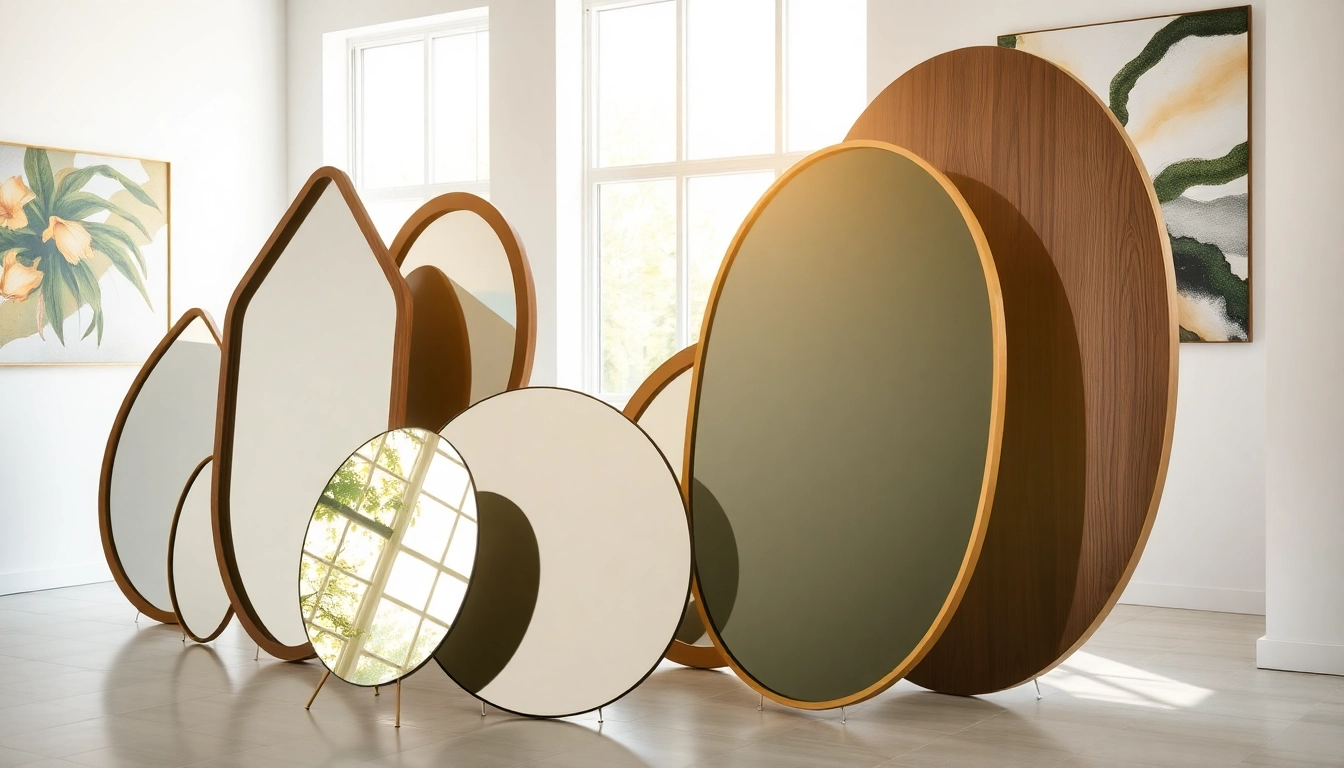
Handcrafted mirrors represent a unique blend of artistry and functionality, offering more than just a reflective surface. They are an extension of the artisan’s vision, skillfully designed and meticulously made to resonate with individual aesthetics. Each piece tells a story born from a process that is as much about the materials as it is about the technique—an art form slowly being lost in the era of mass production. For an authentic experience in home decor, exploring bespoke designs is essential. You can discover a selection of exquisite mirrors at https://merithome.co.uk, where creativity meets craftsmanship.
The Craftsmanship Behind Custom Mirrors
The craftsmanship involved in creating custom mirrors involves a deep understanding of both artistic elements and practical requirements. Artisans often start by drawing inspiration from different design philosophies ranging from classical to contemporary styles, infusing their unique interpretation into each creation. It is not uncommon for a skilled artisan to spend days or even weeks crafting a single mirror, ensuring that the shape, finish, and texture embody their artistic intent.
Traditionally, these artisans utilize age-old techniques that have been passed down through generations, employing tools and skills that reflect a commitment to quality and authenticity. Techniques such as hand-blowing glass or framing with intricate woodwork require precision and an artistic eye, making each mirror not just a decorative item but a bespoke piece of art.
Materials Used in Handcrafted Mirror Designs
The materials selected for handcrafted mirrors play a crucial role in the final product. High-quality glass is essential, as it can determine clarity and durability. Many artisans opt for glass that is polished and treated to minimize distortion and reflect light beautifully. However, the frame—often made from materials such as wood, metal, or even acrylic—also significantly influences the overall aesthetic.
Wooden frames can evoke warmth and tradition, with different types of wood offering a diverse range of textures and finishes. Meanwhile, metal frames can introduce a sleek, modern touch, particularly when designed with clean lines and minimalist styles. Additionally, some artisans experiment with alternative materials such as ceramics or stone to create eye-catching contrasts and unique designs that challenge typical conventions.
Benefits of Choosing Bespoke Mirrors for Your Home
Opting for bespoke mirrors carries several advantages over buying generic alternatives, beginning with individuality. Each custom piece tells a unique story and reflects the owner’s personal style, making it an ideal choice for anyone looking to enhance their home decor. These mirrors also allow for tailored fit and functionality, ensuring they complement the intended space seamlessly.
Another key benefit is the quality of craftsmanship. Handmade mirrors typically boast superior construction compared to mass-produced options, making them more durable and reliable in the long run. This reflects a commitment not just to art but also to sustainability, as many artisans source their materials ethically and focus on eco-friendly practices.
Choosing the Right Style for Your Interior
When incorporating mirrors into your home decor, it is crucial to choose a style that aligns with both the existing design elements and the desired ambience. Understanding the differences between modern and traditional styles can guide you in making a choice that enhances your space.
Modern vs. Traditional Mirror Styles
Modern mirror styles are characterized by bold shapes, minimalistic designs, and often feature metallic or glass finishes. They appeal to contemporary sensibilities and are perfect for homes that embrace sleek lines and a quieter palette. Classic styles, on the other hand, often feature ornate frames, intricate carvings, and vintage materials. They project a sense of elegance and are particularly suitable for traditional homes or areas designated for a timeless aesthetic.
Moreover, the choice is also influenced by factors such as the room’s dimensions, existing decor, and personal preferences. A well-placed statement piece can act as a conversation starter, while subtler designs can enhance the overall decor without overshadowing it.
Incorporating Mirrors into Various Room Designs
Mirrors can fit seamlessly into virtually any room, but strategic placement and style choices can amplify their effects significantly. In living rooms, large mirrors can create an inviting atmosphere while serving as a focal point for the space. Consider using oversized, framed mirrors above mantels or sideboards to establish a sense of depth.
For bedrooms, smaller, more intimate mirrors can add elegance, especially when hung above dressers or nightstands. In bathrooms, mirrors should balance functionality with style, leveraging sleek or ornately framed designs based on the aesthetics of the space. Even in hallways or grooming areas, strategically placed mirrors can create visual interest and enhance light flow.
Creating a Focal Point with Decorative Mirrors
Decorative mirrors can offer more than just functionality; they can transcend their traditional role and become artistic centerpieces. To create a focal point using mirrors, consider factors such as shape, size, and context.
Large, elaborate mirrors can dominate a wall and capture attention, while smaller mirrors can be grouped to create a gallery effect. Layering these pieces can produce depth and intrigue, especially when combined with cohesive wall art and decor elements. Pay attention to the surrounding lighting as well, as mirrors can play a crucial role in reflecting light within a room, amplifying natural light and making spaces feel more open.
Caring for Your Handcrafted Mirrors: Maintenance Tips
To maintain the beauty and functionality of handcrafted mirrors, regular care is necessary to prevent deterioration. Proper maintenance practices can extend the life of your mirrors while ensuring they retain their visual appeal.
Cleaning Techniques for Different Mirror Styles
Cleaning mirrors, especially those with unique or ornate frames, requires special attention. Always start by using a soft, lint-free cloth to avoid scratching the surface. For regular cleaning, a mixture of warm water and a few drops of mild dish soap can be effective; apply it to a cloth rather than directly to the glass to prevent streaks.
Avoid using harsh chemicals or abrasive materials that could degrade the finish over time. For reflective surfaces with complex edges, ensure that you carefully clean every corner without damaging the frame or glass itself.
Preventing Damage: Best Practices
Preventative care is just as important as cleaning in ensuring the longevity of your mirrors. Always position mirrors away from direct sunlight to prevent fading and warping in wooden frames. Also, avoid placing them in areas with extreme temperature changes, such as above radiators or fireplaces.
When moving or installing mirrors, handle them with care. Use appropriate supports to ensure they do not experience undue stress or pressure. If you notice any signs of damage, such as chips or cracks, address them promptly to prevent further deterioration.
Repairing Common Mirror Issues
Minor issues such as small scratches or cloudiness can often be remedied through careful buffs with fine polishing pads. For chips, contacting a professional for repairs is advisable, especially when dealing with intricately designed mirrors, as improper attempts at repair can worsen damage.
Maintain an inspection routine, particularly for older mirrors, as this can help catch problems before they escalate. Regularly tightening loose frames and ensuring that all mounting hardware is secure can also prevent issues related to sagging or detachment.
Mirrors as Functional Art: Expanding Your Decor Options
Beyond their reflective qualities, mirrors can serve as captivating pieces of art. Their placement and design can significantly influence the aesthetics of any room, allowing homeowners to utilize these pieces creatively to transform spaces.
Utilizing Mirrors to Enhance Natural Light in Spaces
Strategic placement of mirrors can dramatically enhance the flow of natural light throughout a space. By positioning mirrors opposite windows, you create opportunities for light to bounce around the room, creating a brighter and airier atmosphere.
This technique is especially valuable in smaller rooms or areas with limited windows, as mirrors can visually expand the space and add depth. Consider integrating mirrors into your decor to make the most of available natural light.
How to Use Mirrors for Visual Space Expansion
Creating an illusion of space is possible with mirrors, which can trick the eye into perceiving a larger area. For small rooms, large mirrors placed strategically can make them feel more expansive. Opt for full-length mirrors to stretch the visual lines of the room, while smaller mirrors can be placed in groupings to generate the same effect.
Additionally, mirrors can be used to reflect views from outside, further contributing to the sense of space. This technique is particularly effective in rooms with appealing views, bringing the outside in and merging both environments harmoniously.
Decorative Tips for Incorporating Mirrors with Wall Art
Combining mirrors with wall art can create stunning design contrasts and enhances visual interest. When placing art alongside mirrors, consider the dimensions of both—a large piece of art may work best with a larger mirror to create balance, while smaller artwork may benefit from being clustered around a standalone mirror.
Creating a layered gallery wall featuring both mirrors and framed artwork can evoke a sense of curated elegance. Use different frame styles and finishes to add depth, while ensuring that the overall color scheme presents a cohesive look. Keep in mind how lighting interacts with both mirrors and artwork to maximize the effectiveness of this arrangement.
Where to Buy Authentic Handcrafted Mirrors: Shopping Guide
Purchasing a handcrafted mirror involves more than just selecting a design—it requires an understanding of authenticity and quality. Knowing what to look for ensures your investment leads to a beautiful and durable addition to your decor.
Evaluating Quality and Authenticity When Shopping Online
When shopping online for handcrafted mirrors, begin by evaluating the seller’s reputation. Look for customer reviews and verify any references or testimonials available. A professional shop will often provide detailed descriptions of the materials used and the crafting process, giving insight into authenticity.
Additionally, checking for guarantees or return policies is essential. Trustworthy retailers often provide assurances that protect your investment, while clear return policies indicate confidence in the quality of their offerings.
Unique Collections to Explore at https://merithome.co.uk
Exploring collections of authentic handcrafted mirrors, such as those available at https://merithome.co.uk, offers a variety of styles, sizes, and finishes to match almost any decor preference. From bespoke designs that cater to personal tastes to more standard styles embodying traditional craftsmanship, this platform provides an opportunity to invest in meaningful pieces for your home.
Key Considerations for Online Purchases of Mirrors
When making online purchases of mirrors, pay special attention to shipping options, installation requirements, and dimensions. Always confirm the rotation and view of the mirror’s reflection, especially if it plays a crucial role in enhancing room symmetry. Also, consider whether additional mounts or hardware are provided with your purchase to facilitate easy installation.
Lastly, factor in the lighting once the mirror is installed. Placement and orientation can significantly affect how well the mirror serves its intended purpose, transforming not just the space it occupies but overall home ambiance.