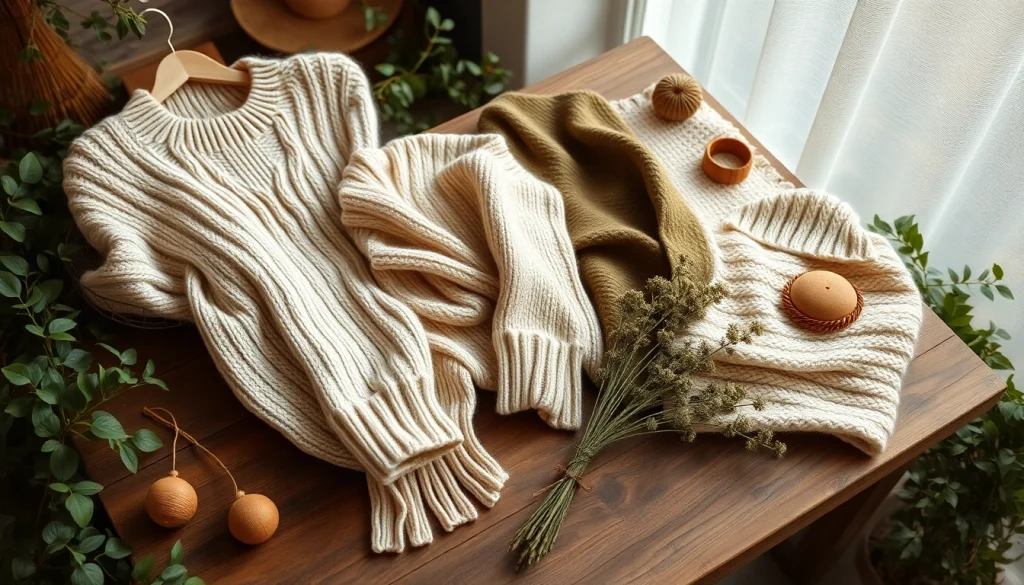
Understanding the Value of Artisanal Fashion
Artisanal fashion embodies a blend of tradition, craftsmanship, and sustainability, creating garments that are not only stylish but also meaningful. As consumers increasingly seek to deepen their connection with the clothing they wear, artisanal fashion offers a profound narrative rooted in human craftsmanship and environmental consciousness. For those looking to explore the depth of this fashion revolution, https://www.ound-ound.com serves as an illuminating resource.
The Rise of Sustainable Fashion
The evolution of sustainable fashion has been driven by a growing awareness of environmental issues and the desire for ethical consumption. Traditional mass production methods contribute significantly to waste and pollution, prompting a shift towards more responsible sourcing and production practices. Artisanal clothing brands have emerged at the forefront of this movement, leveraging local materials and time-honored techniques to create unique and sustainable pieces.
Consumers are now more informed about the impacts of their purchasing decisions, leading to a rise in demand for brands that prioritize sustainability. This paradigm shift is not only beneficial for the environment but also enriches the consumer experience by offering clothing with stories and emotional significance. Every handcrafted garment is imbued with the artisan’s care and intention, fostering a sense of connection that is often lacking in fast fashion. The rise of online platforms, particularly those showcasing artisanal creations, makes it easier for consumers to explore and support these sustainable alternatives.
Benefits of Handcrafted Clothing
Handcrafted clothing offers several notable benefits that appeal to modern consumers. Firstly, the quality of materials used in artisanal fashion often surpasses that of mass-produced items. Artisans hand-select their fabrics, prioritizing durability and comfort, which results in garments that are not only beautiful but also long-lasting. Additionally, the meticulous attention to detail ensures that each piece meets high standards of craftsmanship.
Moreover, wearing handcrafted clothing contributes to an eco-friendlier fashion industry. By choosing artisan-made garments, consumers support circular economies and local artisans, reducing the carbon footprint associated with mass production and transport. This shift toward sustainable choices also encourages communities to maintain traditional crafting techniques, preserving cultural heritage and fostering local economies.
How to Identify Quality Artisanal Pieces
Identifying quality artisanal pieces involves a keen eye for detail and an understanding of the craftsmanship process. Here are some essential factors to consider:
- Material: High-quality natural materials are often used in artisanal fashion. Look for fabrics such as organic cotton, linen, wool, or silk, which are breathable and sustainable.
- Construction: Examine the garment’s stitching and seams. Hand-stitched and carefully tailored pieces exhibit superior craftsmanship compared to their machine-made counterparts.
- Design: Unique designs that reflect the artisan’s influence and creativity are indicators of artisanal quality. Limited runs and one-of-a-kind pieces typically signify a level of care and exclusivity.
- Brand Story: Authentic artisanal brands often tell a story about their sourcing and production practices. Understanding the brand’s commitment to sustainability and ethical practices can enhance the value of your purchase.
Collections at https://www.ound-ound.com
The collection at https://www.ound-ound.com highlights a stunning array of hand-knitted garments, natural-dyed pieces, and exquisite jewelry, showcasing the essence of artisanal craftsmanship and sustainability.
Explore Hand-Knitted Garments
Hand-knitted garments offer warmth, texture, and a personal touch that machine-made items simply cannot replicate. Each piece in this collection reflects unique artisan techniques and a commitment to quality. Whether it’s a cozy cardigan or a stylish jumper, hand-knitted items provide a tactile experience and comfort that is often unmatched in the world of fast fashion.
These garments not only cater to individual fashion styles but also support sustainable practices. By choosing hand-knitted clothing, consumers are championing both craftsmanship and environmental care, making a statement that resonates with their values.
Discover Natural Dyed Pieces
Natural dyes are a cornerstone of sustainable fashion, offering a rich and vibrant palette that is often free from harmful chemicals. The collection of naturally dyed pieces includes garments crafted using traditional techniques that draw on indigenous knowledge and natural materials such as plants, roots, and minerals.
Natural dyes not only result in visually striking colors but also contribute to eco-sensitive production processes. This method of dyeing limits chemical waste and supports biodiversity, making it a responsible choice for environmentally conscious shoppers. Each tint serves as a connection to nature, encapsulating a sense of earthiness and authenticity that synthetic dyes simply cannot match.
Jewelry and Accessories Overview
The jewelry collection enhances the artisanal theme, featuring handcrafted pieces that are perfect for complementing any outfit. Rich in detail and often made using sustainable materials, these accessories allow wearers to express their individuality while maintaining an ethical approach to fashion.
From earrings and rings to necklaces, each item has been thoughtfully designed and crafted, often incorporating natural elements that align with the overall ethos of the brand. Investing in artisan jewelry not only enriches your personal collection but also supports the artisans who create these beautiful pieces.
Quality and Craftsmanship in Fashion
The craftsmanship behind artisanal fashion is crucial in delivering the quality and integrity that consumers seek. Understanding the meticulous nature of this craft can enhance appreciation and respect for the garments made with such dedication.
Material Selection and Sustainability
Material selection plays a pivotal role in artisanal fashion. Rather than opting for mass-produced, synthetic substances, artisans often seek out organic, natural materials that are sustainable and environmentally friendly. For instance, the use of organic cotton or sustainably sourced wool reduces environmental impact while promoting better working conditions.
Moreover, the shift towards using recycled materials in production further enhances sustainability. Artisans are not just creators; they are innovators who find ways to repurpose resources and minimize waste, contributing to a more responsible fashion industry.
Handcrafting Techniques That Matter
The techniques employed in creating artisanal clothing often span generations, rooted in tradition and perfected through time. From knitting and weaving to dyeing and embroidery, each method reflects a commitment to craft that prioritizes quality over quantity. Understanding these techniques helps consumers appreciate the artistry involved in each piece.
Specialized skills often make certain items unique, with artisans using regional patterns or symbols that carry local significance. It’s this connection to cultural heritage that adds emotional value to each piece, providing wearers with garments that have their own stories and identities.
Common Myths about Artisan Products
Despite their rising popularity, several myths persist about artisanal products. One common misconception is that handcrafted items are prohibitively expensive. While it’s true that these pieces often cost more than mass-produced alternatives, the price reflects the quality of materials and labor involved.
Another myth is that artisanal fashion lacks diversity in style. In reality, the beauty of artisanal fashion lies in its diversity—every artisan brings their own flair, resulting in a vast array of styles, colors, and techniques that cater to different aesthetic preferences.
Styling Tips for Sustainable Fashion
Adopting artisanal fashion into your wardrobe opens up a world of styling possibilities that promote not only personal expression but also sustainable choices. Here are some tips for incorporating these pieces into your everyday fashion routine.
Mixing and Matching Artisanal Wardrobe Essentials
One of the great advantages of artisanal clothing is its versatility. Handcrafted pieces can be easily layered or mixed with other styles, allowing individuals to create unique combinations. For instance, pairing a hand-knitted sweater with an organic cotton skirt can yield an effortlessly chic look.
Consider incorporating timeless essentials such as hand-crocheted accessories or belts that effortlessly complete an outfit while maintaining comfort. The key is to allow your personality to shine through your selections, creating outfits that reflect your values while embodying style.
Dressing for Events with Sustainable Choices
Artisanal fashion does not limit your choices for events or occasions; instead, it elevates them. Whether attending a formal gathering or a casual outing, there are numerous options to explore. Choose a stunning hand-stitched dress or an intricately designed blouse paired with tailored trousers for a timeless evening look.
Accessorizing thoughtfully with artisanal jewelry can tie your outfit together, making a statement about your commitment to sustainability while looking stylish. Aim for pieces that enhance your look without overwhelming it, allowing the unique craftsmanship to take center stage.
Accessorizing Thoughtfully for Impact
Accessories are the finishing touches that can drastically elevate any artisanal outfit. Opt for handcrafted bags, belts, and footwear that align with your outfit while also being sustainable.
Consider how accessories can transform your look—an artisan-crafted scarf can add texture and depth, while eco-friendly jewelry can serve as eye-catching conversation starters. Thoughtful accessorizing adds layers of personal expression while promoting an eco-conscious approach to fashion.
Caring for Your Handmade Clothing
To ensure the longevity of your artisanal garments, proper care is essential. Here are valuable tips to help you maintain the beauty and quality of your handcrafted pieces.
Washing and Maintenance Tips
Many handmade garments require special handling due to their delicate materials. Always check care labels and hand wash whenever possible to preserve the integrity of the fabric and craftsmanship. For machine-washable items, use gentle cycles and cold water to prevent shrinkage or fading. Avoid harsh detergents and opt for eco-friendly options that are gentle on both fabrics and the environment.
Storage Solutions for Longevity
Storage plays a significant role in the preservation of handcrafted garments. Store items in a cool, dry environment away from direct sunlight to prevent fading. For knitted pieces, consider using padded hangers to maintain their shape, or fold them neatly to avoid stretching. Ensure that clothes are free of moisture to avert mold growth, especially in humid conditions.
Understanding Repairs and Alterations
Unlike fast fashion, artisanal garments are often designed to last. However, wear and tear can occur over time. Knowing how to address repairs is essential for preserving these treasured pieces. Learn basic sewing techniques or seek professional help for significant alterations, ensuring that repair efforts respect the original craftsmanship and style.
Understanding the value of artisanal fashion not only enhances individual style but also nurtures a deeper connection with clothing and the stories they tell. By investing in handcrafted pieces, consumers play a part in shaping a more sustainable and ethical fashion industry, fostering creativity, and valuing the craftsmanship that defines haute couture. Embracing this journey champions a vision for a fashion future that is as enduring as the pieces themselves.