
Understanding das 140: Insights and Applications in Electronics
Introduction to das 140
What is das 140?
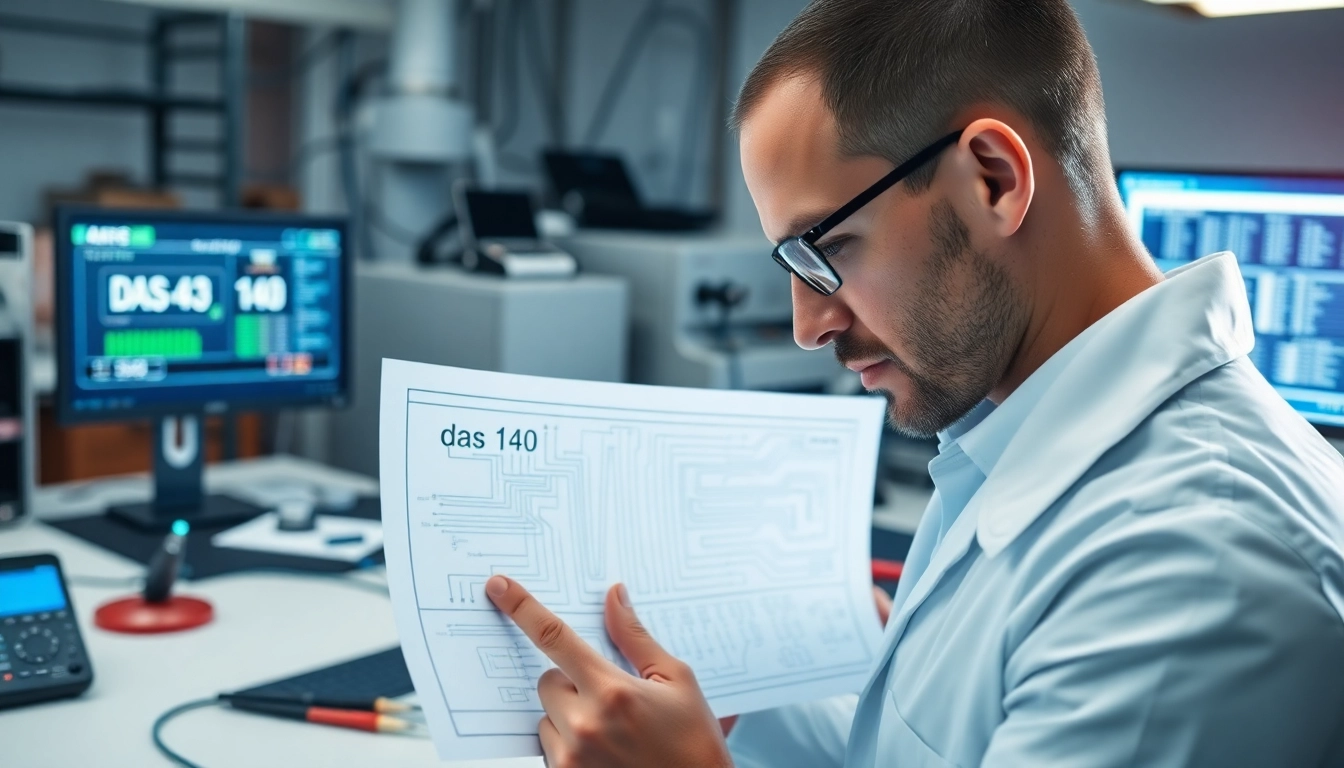
The das 140 is a sophisticated electronic device designed to enhance various applications in the fields of automation, testing, and measurement. It is engineered for precision and versatility, making it indispensable in modern electronic systems. Whether you’re in industrial automation or advanced electronic research, understanding das 140 is crucial for optimizing project outcomes. This article delves into what das 140 is, its components, and its significance in contemporary electronics.
Understanding its Components
At its core, das 140 comprises several key components that define its functionality and effectiveness. These include:
- Processors: The heart of the das 140, handling all computational tasks and ensuring quick and efficient processing.
- Sensors: Integrated sensors collect real-time data, facilitating accurate measurements and reactions to environmental conditions.
- Communication Interfaces: Essential for data transfer and communication with other devices, including USB, serial, and network interfaces.
- Power Supply: A stable power source ensuring that the device functions reliably under various conditions.
Understanding these components and their roles assists engineers and technicians in leveraging das 140 for maximum utility in their projects.
Importance in Electronics
The impact of das 140 in the electronics sector cannot be overstated. It plays a pivotal role in ensuring efficiency and effectiveness across various applications. For instance, the device enhances data accuracy in measurement setups, thereby reducing errors that can lead to significant project delays or failures. Moreover, with its capability for integration into existing systems, das 140 stands out as a critical tool for professionals seeking to implement cutting-edge technology for competitive advantage.
Key Features of das 140
Technical Specifications Overview
Understanding the technical specifications of das 140 is critical for proper application in various fields. Key specifications include:
- Operating Temperature Range: This determines its functionality under different environmental conditions.
- Data Transfer Rate: A key metric that defines the speed at which data can be moved to and from the device.
- Resolution: Essential for measurements, with higher resolution lending to increased precision.
- Durability Standards: These dictate the device’s lifespan and reliability in demanding environments.
Performance Metrics Compared
When evaluating das 140 against other electronic devices in its category, it’s crucial to assess its performance metrics. This includes criteria such as energy efficiency, speed of operation, and accuracy of measurements. Compared to other models, das 140 consistently shows remarkable reliability and superior performance, making it a preferred choice among professionals in engineering and R&D.
Advantages over Other Models
One of the standout advantages of das 140 is its scalability. Unlike many other models in its class, das 140 can easily be adapted for various applications, from simple tasks to complex automation systems. Its user-friendly interface combined with extensive compatibility with other systems enhances its appeal. Furthermore, its robust support community offers additional assistance, making troubleshooting and upgrades more manageable than alternatives.
Practical Applications of das 140
Industrial Use Cases
In industrial settings, das 140 serves a multitude of purposes. Its ability to integrate into assembly lines allows for real-time monitoring and control, significantly increasing operational efficiency. For instance, manufacturers utilize das 140 for process automation, reducing labor costs while improving production rates. Applications also extend to quality assurance, where its sensors detect anomalies in production processes, ensuring that only products meeting quality standards reach the consumer.
Educational Applications
Educational institutions have also embraced das 140 for teaching purposes. Its hands-on application in electronics workshops allows students to engage with real-world technology, enhancing their learning experience. The device is utilized in experimentation involving data acquisition, developing systems that students can analyze and learn from directly. This not only equips students with practical skills but also fosters curiosity and innovation among the next generation of engineers.
Research and Development Potential
Research and development teams greatly benefit from the capabilities of das 140. Its flexibility allows for rapid prototyping, enabling teams to test concepts and gather data efficiently. The real-time analysis features streamline experiments and allow researchers to make informed decisions quickly. Thus, das 140 becomes an integral part of the R&D cycle, bridging the gap between theoretical design and practical application.
Implementing das 140 in Projects
Initial Setup Guide
Setting up das 140 requires careful planning to ensure optimal performance. The following steps provide a guideline for initial implementation:
- Planning: Define the project’s scope and identify how das 140 integrates into the existing system.
- Hardware Connections: Connect all necessary components, ensuring that power and communication lines are correctly established.
- Software Installation: Install required drivers and software on the host system for seamless integration.
- Configuration: Configure the device’s parameters based on project needs, optimizing for performance and efficiency.
Common Challenges and Solutions
Common challenges when working with das 140 include connectivity issues, firmware updates, and integrating with legacy systems. Addressing these requires:
- Thorough Documentation: Always refer to the updated user manual and FAQs on the manufacturer’s site for troubleshooting tips.
- Active Forums: Engaging with community forums can provide insights from other users who may have faced similar issues.
- Firmware Updates: Regularly check for updates to ensure the device operates with the latest improvements and fixes.
Best Practices for Maintenance
Regular maintenance of das 140 can enhance performance and longevity. Key maintenance practices include:
- Regular Cleaning: Ensure dust and debris are kept at a minimum to prevent overheating and operational issues.
- Periodic Performance Checks: Schedule routine checks to evaluate the device’s accuracy and response time.
- Condition Monitoring: Use condition monitoring systems to preempt potential failures and address them proactively.
Future of das 140 in Technology
Emerging Trends and Innovations
The landscape of technology is ever-evolving, and das 140 is poised to remain at the forefront of these changes. Innovations in artificial intelligence, machine learning, and IoT integration are already shaping how devices like das 140 are developed and utilized. Future iterations may incorporate even greater levels of automation and adaptability, allowing it to serve areas we have yet to explore extensively.
Predicted Market Growth
Market analysts predict significant growth for devices like das 140 as industries increasingly adopt automation and real-time data processing technologies. With the growing demand across sectors such as manufacturing, healthcare, and environmental monitoring, das 140 represents a future-proof investment for organizations looking to stay competitive. This projected increase in market presence indicates a robust future for the device.
Community Insights and Feedback
The communications within the das 140 community provide valuable insights into its usability and effectiveness. Users routinely share experiences, best practices, and suggestions that contribute to the overall development of the technology. Engaging with the community can offer new users support, while seasoned professionals can benefit from the latest trends and uses of das 140 in specialized fields.