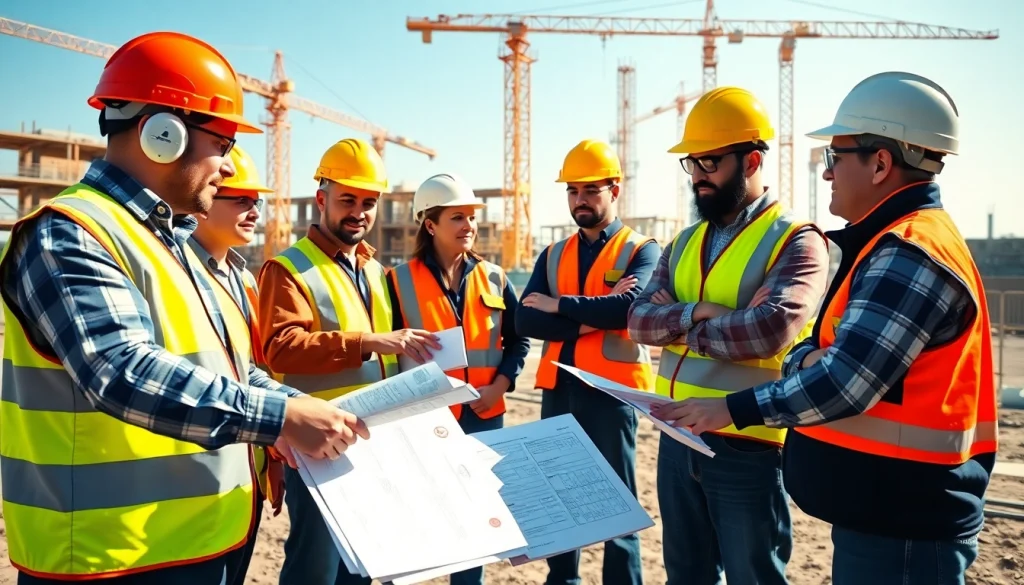
Understanding Construction Safety Training
The Importance of Construction Safety Training
In the construction industry, safety is not just a regulatory requirement; it is the cornerstone of a successful and responsible project. Construction safety training is vital in decreasing the rates of workplace accidents, protecting employees, and ensuring compliance with legal standards. With the potential for hazardous environments—ranging from heavy machinery to high elevations—having a robust safety training program mitigates risks and instills a culture of safety that can save lives.
Furthermore, organizations investing in effective training often see higher employee morale, reduced absentee rates, and lower insurance premiums. The adoption of construction safety training initiatives demonstrates an organization’s commitment to promoting a safe working environment, which can enhance its reputation and improve overall productivity.
Key Components of Effective Training
Effective construction safety training comprises several key components that ensure workers are not only prepared but also equipped to handle potential hazards. These components include:
- Comprehensive Orientation: Initial training sessions should cover essential safety protocols, equipment use, and emergency procedures.
- Hands-on Experience: Practical training that allows workers to apply learned concepts in a controlled environment is crucial for safety retention.
- Regular Refreshers: Periodic training sessions encourage continual learning and help reinforce knowledge, keeping safety protocols fresh in employees’ minds.
- Certification Programs: Providing certifications can motivate workers to engage with the material more seriously and validate their skills.
Understanding Safety Regulations
Construction safety is highly regulated. Regulations from organizations, such as the Occupational Safety and Health Administration (OSHA), set standards that all construction sites must adhere to. Familiarity with these regulations not only protects workers but also shields employers from legal repercussions.
Effective training should integrate a thorough understanding of these regulations into the curriculum. Workers should be informed of their rights and responsibilities, the proper reporting of unsafe conditions, and the penalties associated with noncompliance. Emphasizing the importance of following regulations not only cultivates a safer work environment but also fosters a sense of accountability among employees.
Common Hazards in Construction Work
Identifying Workplace Hazards
Construction sites are rife with hazards that can lead to serious injuries. Identifying these hazards is the first step in risk management. Common hazards can include:
- Slips, trips, and falls, which are often caused by uneven terrain, wet surfaces, and cluttered workspaces.
- Tool-related hazards which can arise from improper handling or malfunctioning equipment.
- Electrical hazards that come from exposed wires, improper use of equipment, or working near power lines.
- Material handling hazards related to manual lifting, carrying, or moving heavy loads.
Risk Assessment Techniques
Once hazards are identified, implementing risk assessment techniques is essential in minimizing those risks. Techniques include:
- Job Hazard Analysis (JHA): This proactive approach examines tasks and identifies potential hazards before work begins.
- Regular Safety Audits: Conduct ongoing site inspections to ensure compliance with safety protocols and regulations.
- Employee Feedback: Engaging workers in discussions about risks they observe helps highlight hazards that management may overlook.
Preventive Measures and Strategies
Implementing preventive measures is paramount to safeguarding workers. Effective strategies may include:
- Personal Protective Equipment (PPE): Mandatory use of hard hats, gloves, goggles, and other protective gear significantly reduces injury risk.
- Safety Protocols: Clear guidelines about workflows, along with mandates for reporting unsafe practices, encourage a culture of safety.
- Installation of Safety Systems: Utilizing guardrails, proper scaffolding setups, and secure ladders can mitigate fall risks.
Creating a Safety Training Program
Steps to Develop Your Program
Constructing a comprehensive safety training program involves the following steps:
- Identify Training Needs: Evaluate the specific risks of your construction sites and understand employee training needs through surveys or assessments.
- Develop Training Materials: Create training content that is accessible and relevant, utilizing various formats such as manuals, videos, and e-learning modules.
- Implement the Program: Schedule training sessions, ensuring all employees receive initial training before commencing work.
- Evaluate Effectiveness: Measure the program’s impact on employee behavior and incident rates through assessments and feedback.
Incorporating Interactive Learning Techniques
To enhance engagement and retention, interactive learning techniques should be integrated into the training program. These techniques can include:
- Group Discussions and Role-Playing: Facilitate scenario-based training where participants discuss or act out responses to potential hazards.
- Gamification: Introduce game-like elements that make learning fun and competitive, such as quizzes and simulations.
- Visual Aids: Leverage diagrams, infographics, and videos that visually illustrate safety protocols and proper equipment usage.
Conducting Safety Drills
Safety drills are essential for practice and preparedness in case of emergencies. Drills should be conducted regularly and should encompass:
- Fire Evacuations: Ensure all workers are familiar with the fastest and safest exits in case of a fire.
- Emergency Response Protocols: Simulate responses to accidents, such as falls or equipment malfunctions, so workers know how to react timely and correctly.
Measuring the Effectiveness of Training
Assessing Knowledge Retention
Assessing whether employees retain knowledge from training sessions is crucial for improving the program. Techniques can include:
- Pre- and Post-Training Assessments: Conduct tests before and after the training to evaluate knowledge gains.
- Observation: Evaluate employees on-site to see if they apply learned concepts and adhere to safety practices.
Feedback and Continuous Improvement
Collecting feedback from participants post-training is essential for continual enhancement. Useful feedback mechanisms include:
- Surveys: Utilize anonymous surveys to gather honest insights about what worked and what didn’t.
- Exit Interviews: Engage in discussions with employees leaving the program to gain insights on their learning experience.
Utilizing Metrics for Success
Metrics play a pivotal role in measuring how effective your training program is. Emphasizing metrics such as:
- Incident Rates: Monitor the frequency of accidents post-training to evaluate any improvements.
- Compliance Levels: Check adherence to safety protocols to determine whether new practices are being followed.
- Employee Feedback Scores: Analyze survey results and feedback scores to gauge satisfaction levels with training.
Staying Updated on Safety Training Trends
Emerging Technologies in Safety Training
Emerging technologies have revolutionized training, making it more effective and engaging. Notable trends include:
- Virtual Reality (VR): Using VR allows workers to experience realistic simulations that can enhance hazard recognition without real-world risks.
- Online Training Platforms: Offering training modules online provides flexibility and can cater to remote workers.
- Mobile Learning: Utilizing mobile applications ensures easy access to training materials, allowing workers to learn on the go.
Industry Best Practices to Follow
To enhance your safety training program, aligning with industry best practices is advisable. These practices include:
- Creating a safety committee that includes worker representatives to provide a voice in safety discussions.
- Regularly reviewing and updating training materials to reflect the latest safety standards and techniques.
- Promoting a culture of safety where employees are encouraged to voice concerns and suggest safety improvements.
Resources for Ongoing Education
To maintain a cutting-edge safety training program, utilize available resources such as:
- OSHA Resources: Access guidelines and training material directly from OSHA’s official website.
- Industry Conferences: Attend conferences focused on construction safety to learn from industry leaders and connect with peers.
- Webinars and Online Courses: Engage with online educational content to facilitate ongoing learning.