
Elevating Structures: Mastering Structural Steel Installation Techniques
Understanding Structural Steel Installation
What is Structural Steel Installation?
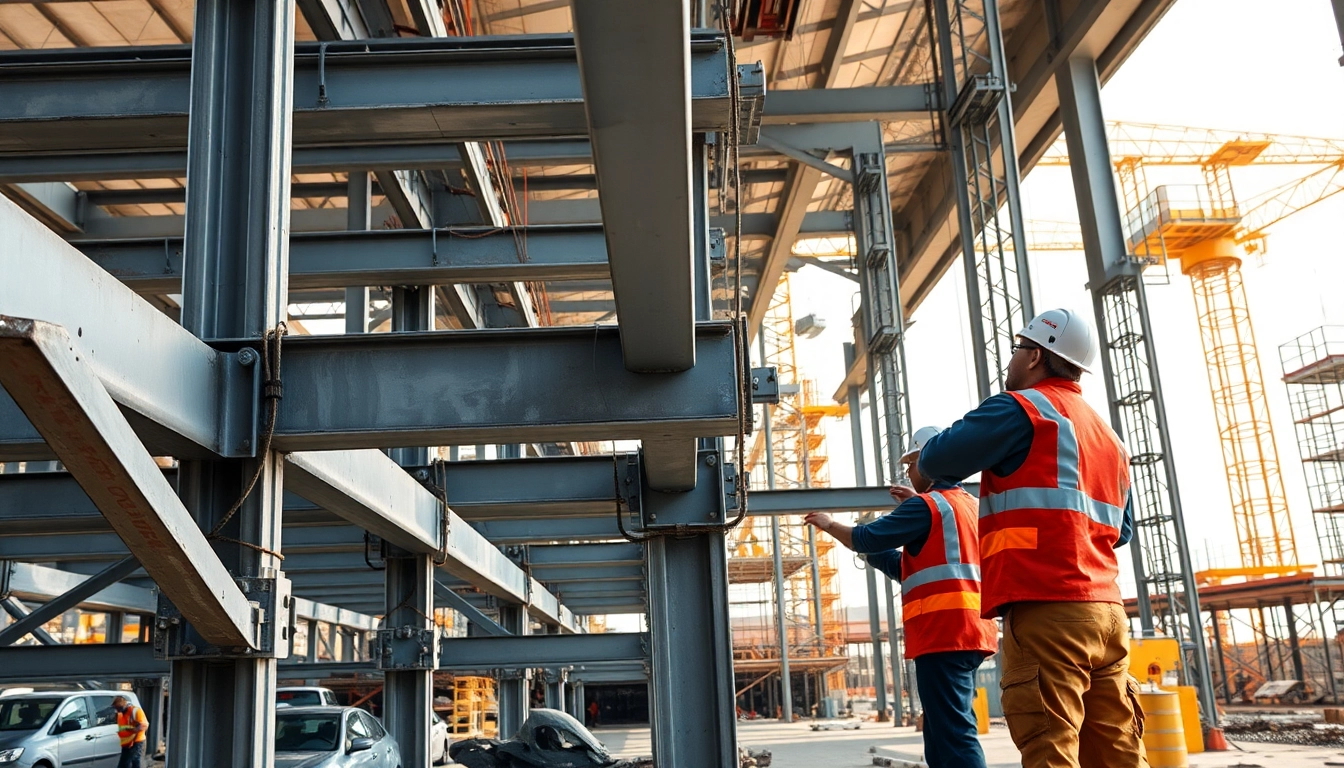
Structural steel installation refers to the process of assembling and erecting steel components that make up the framework of buildings and structures. This critical aspect of construction ensures that buildings are not only durable and aesthetically pleasing but also safe and capable of withstanding various loads and environmental conditions. The process entails careful planning, rigorous quality control, and the application of advanced techniques and safety protocols to ensure a successful outcome.
Importance of Structural Steel in Modern Construction
Structural steel plays a pivotal role in modern construction due to its strength, flexibility, and lightweight nature. Unlike traditional building materials such as wood or concrete, steel can support larger spans and heights, allowing architects and engineers to design innovative and ambitious structures. Furthermore, structural steel is recyclable, making it a sustainable choice for eco-conscious builders. Its resistance to pests, rot, and fire enhances the longevity of buildings, thereby reducing maintenance costs over time. Through structural steel installation, the building process has evolved, facilitating the construction of skyscrapers, bridges, and industrial facilities that define modern skylines.
Types of Structural Steel Components
Structural steel components come in various shapes and sizes, each serving a unique purpose within the overall framework. Some of the most common components include:
- Beams: Horizontal elements that help support loads across spans.
- Columns: Vertical supports that transfer loads down to the foundation.
- Trusses: Frameworks that distribute loads across a larger area, often used in roofs and bridges.
- Frames: Combinations of beams and columns that create the skeleton of a structure.
- Bracing: Elements that enhance stability and reduce lateral movements during wind or seismic events.
Planning for Successful Installations
Assessing Project Specifications for Structural Steel Installation
Effective project planning is crucial to ensure structural steel installation is executed successfully. It begins with assessing the project specifications, which include architectural designs, load requirements, and environmental factors. Detailed blueprints and engineering analyses help determine the appropriate types, sizes, and grades of steel needed. This pre-construction phase should involve collaboration among architects, engineers, and contractors to identify potential issues early and optimize the installation process.
Key Stakeholders in the Steel Installation Process
Numerous stakeholders are involved in the structural steel installation process, each playing a vital role in ensuring success. These typically include:
- Architects: Who design the structure and define aesthetic and functional requirements.
- Structural Engineers: Who analyze and determine the structural integrity of the design.
- General Contractors: Responsible for managing the project timeline and coordinating various trades.
- Fabricators: Who cut, shape, and prepare steel components based on specifications.
- Steel Erectors: Who assemble and install the structural steel on-site.
Determine Timeline and Budget Considerations
Budgeting and scheduling are crucial to avoid delays and overruns during the structural steel installation process. Establishing a realistic timeline involves considering factors such as design complexity, material availability, labor resources, and weather conditions. Additionally, firms should prepare a detailed budget that accounts for materials, labor, and contingency costs. Regular meetings with stakeholders can help manage progress, ensuring adherence to the timeline and financial constraints.
Best Practices for Structural Steel Installation
Safety Protocols During Installation
Safety is paramount in structural steel installation due to the inherent risks involved. Implementing strong safety protocols can mitigate these risks effectively. Key practices include:
- Conducting thorough safety training for all personnel involved in the installation.
- Utilizing Personal Protective Equipment (PPE), such as hard hats, harnesses, and gloves.
- Regularly inspecting tools and equipment for safety compliance.
- Establishing clear communication protocols to ensure all team members are aware of their roles and responsibilities.
Utilizing Advanced Tools and Technology
The incorporation of technology in structural steel installation enhances efficiency and accuracy. Key tools include:
- Building Information Modeling (BIM): Allows for 3D modeling and data management, helping in planning and collaboration.
- Laser Scanning: Ensures precision in measurements and alignment of steel components.
- Robotics and Automation: Streamlines repetitive tasks, reducing labor costs and improving consistency.
Quality Control Measures in Steel Installation
Quality control is essential to ensure the structural integrity and safety of installations. Implementing comprehensive quality control measures includes:
- Regular inspections at various stages of construction.
- Documenting welds, bolts, and other connections to maintain compliance with specifications.
- Testing the strength of materials to meet regulatory standards.
Common Challenges and Solutions
Addressing Structural Issues During Installation
Structural issues such as misalignment or inadequate load capacity can arise during installation, leading to complications and potential safety hazards. Identifying such issues quickly through proactive monitoring and regular inspections helps mitigate risks. Solutions often involve employing specialized equipment, rerouting loads, or even redesigning elements to ensure compliance with safety standards.
Mitigating Delays and Cost Overruns
Delays and cost overruns are common in construction projects, especially in structural steel installation. To mitigate these challenges, project managers should focus on:
- Thorough initial planning and feasibility studies.
- Regularly updating stakeholders on project status and changes.
- Creating an adaptable project schedule that accommodates unforeseen delays while managing costs effectively.
Resolving Communication Gaps Among Teams
Effective communication among project teams is critical to successful structural steel installation. Gaps in communication can lead to misunderstandings and mistakes. Solutions include:
- Establishing a central communication hub where all project information is accessible.
- Regularly scheduling team meetings to discuss progress, challenges, and solutions.
- Fostering a culture of open communication encouraging team members to voice concerns and share insights.
Measuring Success in Structural Steel Installation
Performance Metrics for Assessing Projects
Establishing clear performance metrics is crucial in assessing the success of structural steel installations. Key performance indicators (KPIs) can include:
- Project completion time versus estimated time.
- Budget adherence compared to initial projections.
- Quality assurance records indicating compliance with safety and construction standards.
Feedback Mechanisms for Continuous Improvement
Continuous improvement in structural steel installation can be driven through established feedback mechanisms. Collecting input from all stakeholders on their experiences allows project teams to identify areas for enhancement and adjust processes accordingly. Tools such as surveys, debrief sessions, and performance reviews provide valuable insights that can elevate future projects.
Case Studies of Successful Structural Steel Installations
Analyzing case studies of successful structural steel installations provides practical lessons and best practices for future projects. Studies often highlight techniques in planning, execution, and post-installation assessments that contributed to efficient timelines, minimized costs, and met or exceeded safety standards. These insights can serve as benchmarks for future construction endeavors, paving the way for continuous improvement in the industry.