
Mastering Steel Structure Design: Techniques and Best Practices for Effective Construction
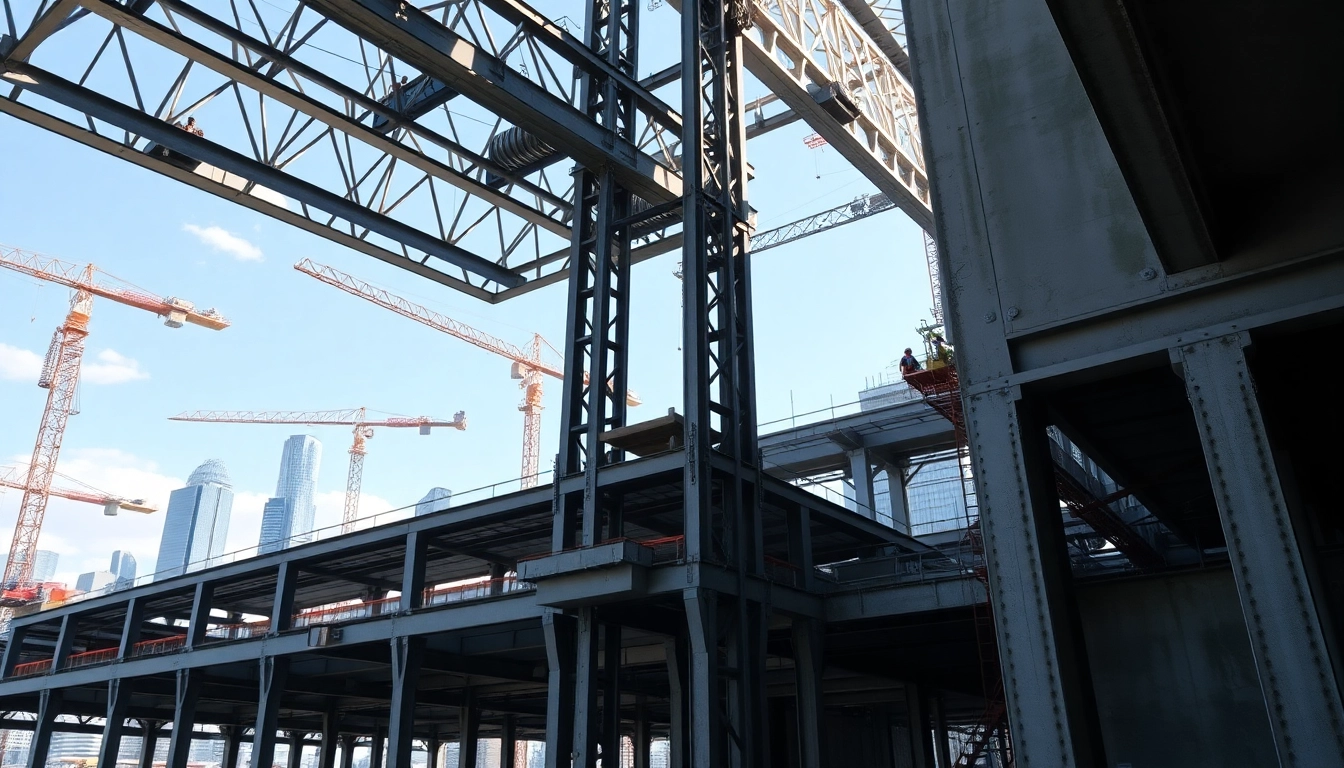
Understanding the Basics of Steel Structure Design
Definition and Importance of Steel Structure Design
Steel structure design is a vital field within structural engineering that focuses on creating frameworks, buildings, and other structures reinforced by steel. The significance of this discipline lies in its ability to deliver structural integrity, flexibility in design, and durability in a variety of applications, ranging from commercial buildings to bridges and industrial plants. The use of steel as a primary material offers numerous advantages, including high strength-to-weight ratios, which allows for longer spans and reduced materials in construction.
The processes of steel structure design involve not just aesthetics but also robust analysis and calculations that ensure the final product can withstand various loads and stresses throughout its lifespan. Understanding this design process is essential for engineers, architects, and construction professionals alike, particularly as urbanization and architectural creativity increase demand for innovative designs.
Materials Used in Steel Structure Design
The primary material in steel structure design is, of course, steel, which comes in several grades and types, each suitable for specific applications. Mild steel is widely used for its ductility and weldability, making it ideal for beams and columns. High-strength low-alloy steels provide enhanced strength and corrosion resistance, suitable for environments exposed to harsh conditions.
Moreover, the choice of steel must align with the design’s requirements for load-bearing capacity, fire resistance, and environmental conditions. Additionally, protective coatings, such as galvanization and paint, are crucial in enhancing the lifespan of the steel structures by preventing rust and corrosion.
Key Principles of Structural Integrity
The integrity of a steel structure lies in several fundamental principles that must be respected during design and construction. Key factors include load-bearing capacity, stability against lateral forces such as wind and earthquakes, and connections that ensure the entire structure can behave as a unified system.
Understanding how to distribute loads effectively across beams and columns, as well as the use of bracing and moment resisting frames, is essential to achieving a sound design. Furthermore, compliance with building codes and standards is paramount to ensure safety and functionality.
Components of Steel Structure Design
Understanding Beams, Columns, and Joists
Beams and columns are the fundamental components that transmit loads from the structure to the foundation. Beams are horizontal members that support vertical loads and are typically made using I-beams or tube sections. Columns, on the other hand, are vertical members that bear weight from above and are designed to withstand compressive loads.
Joists are horizontal framing members that support the floor and roof decks, bridging the space between beams. The type of joist utilized often depends on the architectural layout and the loads to be supported. Their configuration and spacing can significantly affect the overall strength and aesthetics of a steel structure.
Connections: Types and Functions
Connections are crucial in steel structure design as they determine how various structural components interact with each other. There are several types of connections, including welded, bolted, and riveted joints, each serving a unique purpose.
Welded connections provide a continuous bond between members and are generally stronger but require precise craftsmanship. Bolted connections offer flexibility during construction and allow for easier adjustments, while riveted connections, although less common today, can still be found in existing structures. Each connection type must be carefully designed to accommodate forces and movements in the structure.
Load Distribution and Stress Analysis
Load distribution in steel structures is a complex process involving the calculation of dead loads, live loads, snow loads, wind loads, and seismic load considerations. Engineers use advanced analytical methods and software to predict how these loads transfer through the structure.
Stress analysis involves assessing the internal forces within structural components to ensure they remain within safe limits under operational conditions. Finite element analysis (FEA) is common in modern design practices, allowing for detailed assessments of stress concentrations and potential failure points.
Planning and Drafting for Steel Structure Design
Creating Effective Structural Plans
Effective planning and drafting are essential for successful steel structure design. This stage involves creating detailed drawings that outline dimensions, materials, connections, and load paths. Working collaboratively with architects and contractors is vital to ensure all aspects of the building project are accounted for.
Additionally, considerations for future modifications or expansions should be reflected in the initial plans to facilitate future enhancements without significant structural alterations.
Utilizing Software for Design Automation
In an era of technological advancement, various software tools exist to streamline the design process and enhance accuracy. Programs such as AutoCAD, Revit, and Tekla Structures enable engineers to create intricate models of steel components before their physical production.
These tools allow for rapid prototyping, clash detection, and simulation of structural performance under various conditions, which significantly reduces time and costs associated with traditional manual drafting methods.
Best Practices in Drafting and Analysis
Adopting best practices in drafting and analysis can greatly impact the efficiency and effectiveness of a project. Key recommendations include adhering to standardized symbols and conventions for clarity, incorporating accurate material specifications, and maintaining up-to-date knowledge of industry codes and regulations.
Conducting thorough reviews and peer evaluations of drafts can identify potential issues early, thus avoiding costly revisions during construction.
Construction Techniques in Steel Structure Design
Understanding Fabrication and On-Site Assembly
The construction stage involves the concrete realization of the steel structure through a process encompassing fabrication and assembly. Fabrication includes cutting, welding, and assembling the steel components in controlled environments, ensuring quality and precision.
On-site assembly must occur efficiently and safely, adapting to real-world conditions, such as weather and existing site constraints. Proper scheduling and planning are essential to minimizing delays and maintaining productivity during construction.
Quality Control in Steel Structures
Quality control is a crucial aspect of steel construction, ensuring that all materials and processes adhere to predefined standards. Regular inspections at various construction stages help identify defects and deviations, allowing for timely corrections. Techniques such as non-destructive testing (NDT) are commonly employed to evaluate weld quality and material integrity without compromising the structure.
Documenting quality control measures and results helps maintain compliance with regulatory standards and provides assurances about the durability and safety of the completed structure.
Innovative Construction Practices
Innovations in construction practices, such as modular construction and pre-engineered structures, are transforming the steel industry. Modular construction involves prefabricating sections of a structure off-site and transporting them for quick assembly on-site, significantly reducing construction time.
Additionally, advancements in robotics and automation streamline processes, further increasing efficiency and precision in fabrication and assembly.
Future Trends in Steel Structure Design
Sustainable Materials and Eco-Friendly Practices
As the construction industry becomes more aware of environmental concerns, sustainable materials and practices are gaining prominence in %steel structure design%. Steel is already one of the most recycled materials globally, but efforts continue to improve sustainability through reduced energy use in steel production and sourcing of recycled materials.
Incorporating eco-friendly practices into design and construction methods not only benefits the environment but also enhances the long-term viability of structures through energy efficiency and minimal environmental impact.
Emerging Technologies in Structural Engineering
Emerging technologies, such as advanced materials (including high-performance steel and composites) and building information modeling (BIM), are reshaping the landscape of steel structure design. These technologies allow for innovative solutions to complex engineering challenges, improve design accuracy, and facilitate better collaboration among project stakeholders.
The integration of smart technology into steel structures, enabling real-time monitoring and maintenance, is also on the rise, enhancing building performance and lifespan.
Adapting to Climate Change and Urbanization
As cities expand and climate change influences design considerations, the need for resilient and adaptive steel structures is paramount. Engineers must now factor in anticipated weather patterns and urban density when designing steel structures.
Incorporating adaptable design practices and materials that can withstand extreme climate conditions is essential to ensuring that future infrastructure can endure and thrive despite increasing environmental challenges.