
Transform Your Space with Versatile Extension Tables for Any Occasion
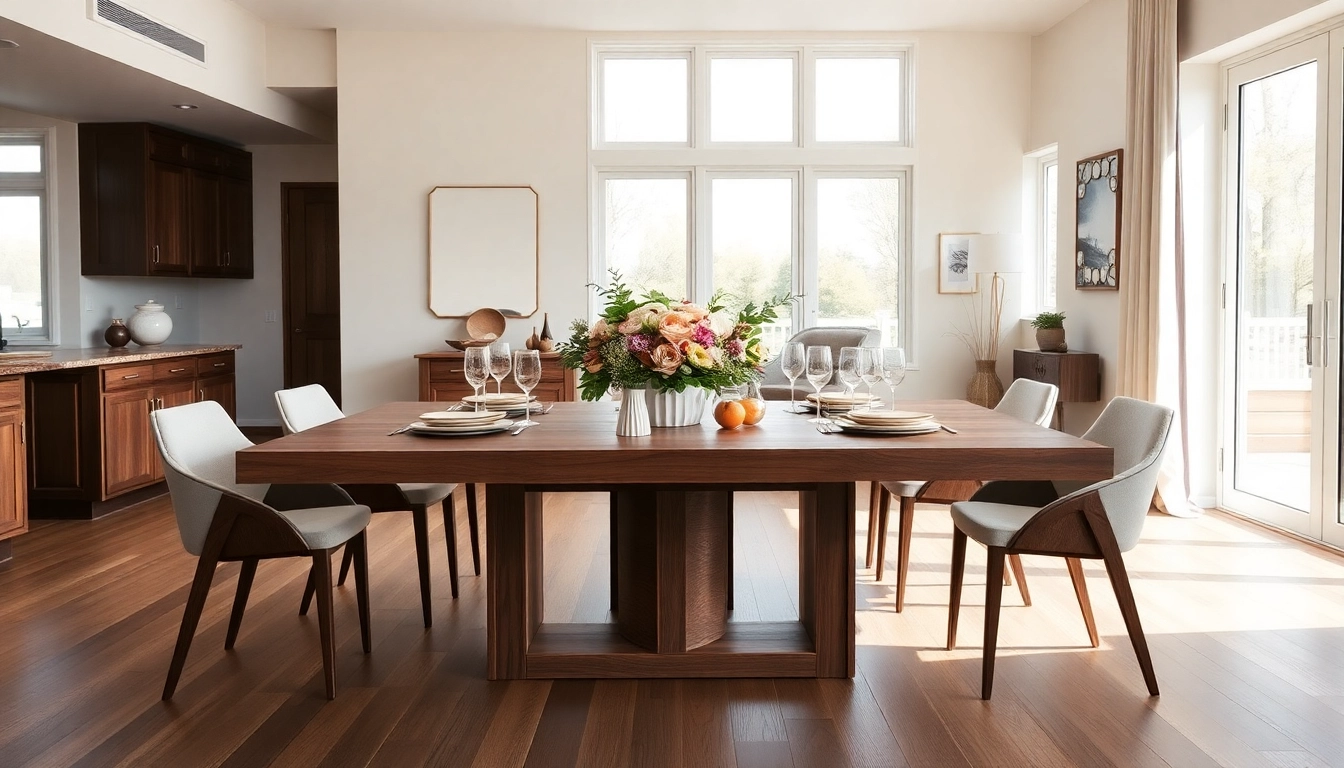
Understanding Extension Tables
What Are Extension Tables?
Extension tables are versatile and functional pieces of furniture designed to accommodate varying numbers of people or provide additional space for activities. These tables come with built-in mechanisms that allow them to expand or contract in size depending on the occasion. Typically, a small table can be extended using leaves or pull-out sections, making them ideal for everything from intimate dinners to large family gatherings.
Imagine hosting a cozy dinner for two during the week, only to transform your space into a banquet setting for twelve on the weekend. This adaptability keeps your living space functional without sacrificing style or comfort. If you are exploring options to enhance your dining area with Extension tables, understanding their features and benefits can guide you toward the perfect choice for your home.
The Benefits of Using Extension Tables
Extension tables offer several advantages that make them a popular choice in many households:
- Space Efficiency: In smaller homes or apartments, having a multipurpose table can save a significant amount of space. Extension tables can be compact when not in use, allowing for an open and airy living space.
- Flexibility: These tables can cater to your changing needs. Whether hosting a large holiday gathering or casual weeknight meals, extension tables adjust easily to meet varying requirements.
- Cost-effectiveness: Instead of purchasing multiple tables for different occasions, investing in a good quality extension table saves money while still addressing diverse usage scenarios.
- Style Variability: Extension tables come in numerous designs, sizes, and materials, allowing you to choose one that perfectly fits your existing décor and personal style.
Types of Extension Tables Available
Extension tables come in several different types, each tailored for specific usage and aesthetics. Understanding these types can help you make an informed choice when selecting the right fit for your space:
- Leaf Tables: Leaf extension tables utilize additional panels that can be added or removed to increase the table’s length. This type is commonly found in dining rooms and can accommodate more guests when needed.
- Drop-Leaved Tables: Featuring hinged leaves, drop-leaf extension tables allow for space optimization. Leaves can be folded down when not in use, making them a great choice for kitchens or small dining areas.
- Pedestal Tables: Designed with a single central base, pedestal extension tables offer a unique aesthetic and can be found in various styles, from modern to traditional. Their design also allows for ample legroom, improving comfort for diners.
- Gateleg Tables: Similar to drop-leave designs, gateleg tables can extend when needed but have distinctive foldable legs that provide stability and space efficiency.
Choosing the Right Extension Tables for Your Home
Factors to Consider When Selecting Extension Tables
Selecting the right extension table for your home involves several key considerations:
- Size: Measure the available space in your dining area before purchasing to ensure that the table will fit comfortably when extended and in its compact form.
- Material: Choose from various materials such as wood, glass, metal, or composite materials, depending on your style preference and practicality related to maintenance and durability.
- Mechanism: Assess the extension mechanism. Some tables come with easy glide tracks, while others may involve manual adjustments. Ensure you’re comfortable with the complexity required to operate the extension.
- Style: Consider whether the style complements existing furniture in your space, which could range from traditional to contemporary, rustic to modern.
How to Match Extension Tables with Your Decor
To ensure your chosen extension table seamlessly integrates with your decor, consider following these tips:
- Color Coordination: Match the color of your table with other furniture pieces in your space, focusing on a cohesive look that harmonizes with your overall decor theme.
- Complementary Styles: Choose tables that are in line with the style elements of your home. A sleek, modern extension table may not suit a rustic cottage aesthetic.
- Accessorizing: Use table settings, linens, or decorative centerpieces that reflect the table’s aesthetic and harmonize with the surrounding area.
Size Considerations for Extension Tables
When choosing the size of your extension table, you need to examine both its extended and compact dimensions:
- Extended Size: Ensure it’s large enough to comfortably accommodate your expected number of guests. A good rule of thumb is allowing about 24 inches of space per person.
- Compact Size: The table should also fit into your space without overcrowding, allowing for comfortable movement around the area.
- Height: Standard dining tables are typically around 28 to 30 inches in height. Ensuring your table matches the height of your chairs will provide comfort for diners.
Care and Maintenance of Extension Tables
Cleaning and Upkeep Tips
Proper care and maintenance of your extension table are essential for its longevity and performance. Here are some effective cleaning tips:
- Regular Dusting: Dust the table regularly with a soft, dry cloth to prevent dirt and debris accumulation.
- Wipe Spills Immediately: Clean up any spills or stains as soon as they happen, using a non-abrasive cloth with warm soapy water or a gentle cleaner specifically designed for the material.
- Use Coasters: Protect the surface of your table from scratches and heat damage by using coasters under drinks, hot plates, or serving dishes.
Finishes That Protect Your Extension Tables
Understanding the finish of your extension table can help preserve its appearance and structural integrity:
- Wood Finishes: Polyurethane and lacquer finishes are popular choices that offer high durability and protection against moisture.
- Glass Finishes: For glass extension tables, consider applying a specialized cleaner that will prevent streaks and maintain clarity.
- Metal Finishes: Utilize metal polish for tables with metal accents or components to prevent corrosion and scratches.
Dealing with Scratches and Dents
Even with the best care, scratches and dents may occur. Here’s how to deal with them effectively:
- Wood Tables: Use a wood filler or crayon that matches the table’s finish to fill minor scratches. For deeper scratches, consider consulting a professional refinisher.
- Glass Tables: Use a specialized glass repair kit for minor scratches or chips, as these kits can fill imperfections without professional intervention.
- Metal Tables: For scratches, consider using a suitable metal polish or touch-up paint that matches the color of your table.
Design Trends for Modern Extension Tables
Popular Materials in Extension Tables
The choice of materials significantly influences both the aesthetic appeal and functionality of extension tables:
- Solid Wood: The classic choice for extension tables, solid wood offers durability, warmth, and a timeless appeal.
- Glass: Glass tables provide a modern touch and make spaces feel larger. They are ideal for contemporary homes but require more care to keep clean.
- Metal: Metal is increasingly popular for its modern finish and durability, making it an ideal material for industrial styles.
New Design Innovations in Extension Tables
Modern extension tables are incorporating innovative designs and technologies:
- Integrated Storage: Some designs now feature integrated storage solutions to keep extension leaves and other dining essentials neatly tucked away and organized.
- Mechanism Improvements: New extension mechanisms allow for easier adjustments, enabling even those unfamiliar with furniture mechanics to extend or retract the table seamlessly.
- Convertible Designs: A trend toward multifunctionality, some extension tables can transform into different types of furniture, such as desks or consoles, further maximizing space efficiency.
Color Schemes and Styles for 2023
The modern home is currently seeing diverse color schemes and styles in extension tables:
- Neutral Tones: Soft beiges, greys, and whites are dominating extension table designs for their versatility and timeless appeal.
- Bold Accents: Bold colors like deep blue or emerald green are being used strategically as accent pieces in contemporary dining spaces.
- Mixed Materials: Combining different materials, such as wood and metal or glass with wood, is trending for a unique and dynamic look.
Maximizing Functionality with Extension Tables
Creating Flexible Spaces with Extension Tables
Leveraging extension tables can help you create flexible and functional spaces in your home:
- Multipurpose Rooms: Use extension tables in multipurpose areas like dining rooms or home offices to maximize functionality without cluttering your space.
- Creative Layouts: Arrange extension tables in unconventional setups, such as a circular seating or U-shape for larger gatherings, enhancing the area’s dynamics.
- Outdoor Options: Many extension tables are now designed for outdoor use, allowing you to easily transition dining spaces from indoors to outdoors.
Additional Features to Look for in Extension Tables
When selecting an extension table, consider looking for specific features that enhance utility:
- Self-Storage Mechanisms: Some tables come with built-in storage for extension leaves, ensuring you don’t need to find additional storage space for them.
- Sturdy Legs: A robust leg design is essential for stability, particularly when the table is extended to its fullest capacity.
- Easy-to-Clean Materials: Investing in materials that are easy to maintain will save time and effort and help guard against ongoing wear over time.
Hosting Tips When Using Extension Tables
Finally, hosting with extension tables can provide a seamless experience if you follow certain tips:
- Plan Your Layout: Prior to the event, decide on a table layout that accommodates your guests comfortably and allows enough room to serve food.
- Theme Consideration: Use table settings that reflect the occasion, whether it’s a formal dinner, a casual gathering, or a festive celebration.
- Centerpieces: Keep centerpieces low or minimal to avoid obstructing views between guests, making for a more enjoyable conversational experience.