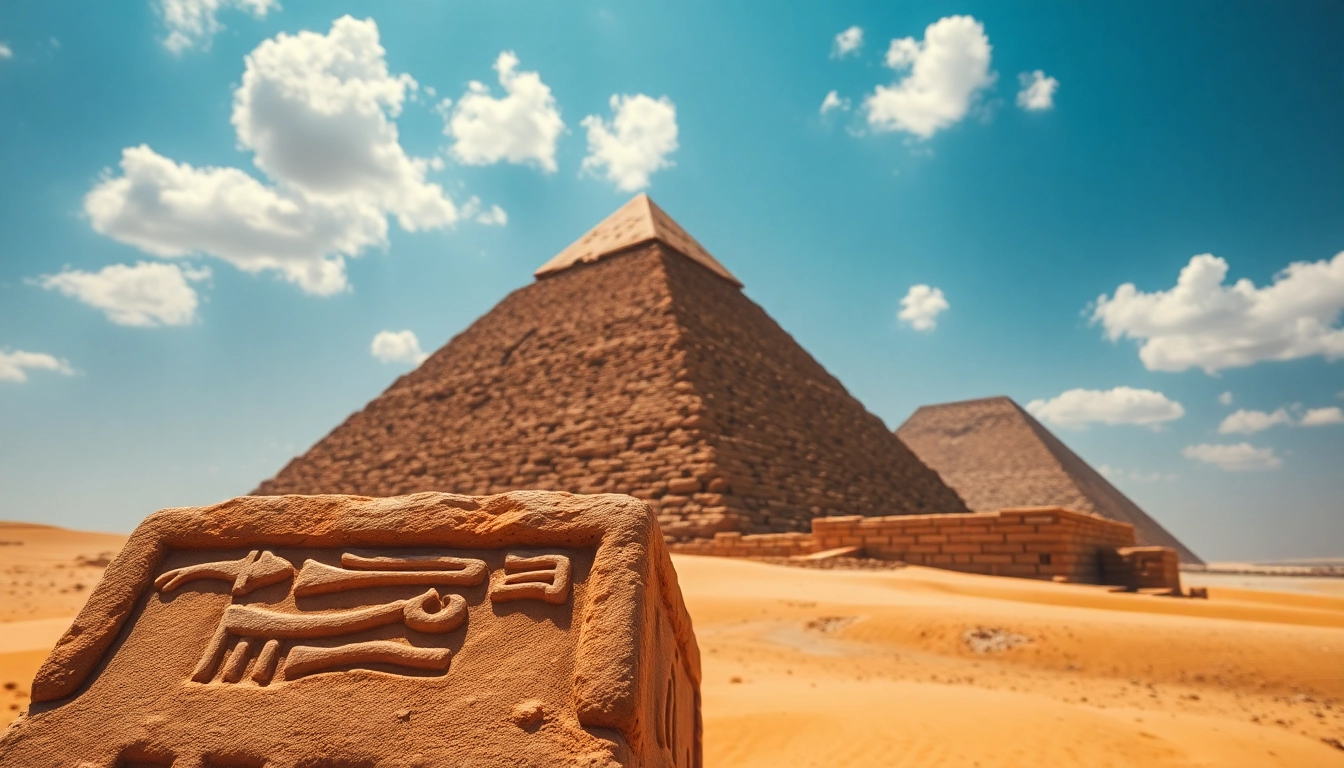
The Fascination of Piraminds
The enduring allure of piraminds captivates minds across generations, serving as a remarkable testament to human ingenuity and cultural depth. These formidable structures not only embody the magnificent architectural prowess of ancient societies, but they also resonate with stories, legends, and complexities that continue to ignite curiosity and debate among scholars and enthusiasts alike.
Why Piraminds Captivate Our Imagination
From childhood illustrations to blockbuster movies, piraminds have solidified their role in collective imagination. Their towering presence invites questions: How were they constructed? What secrets do they hold within their stony embrace? As relics of an advanced civilization, they stand as a bridge to the past, allowing us to explore the beliefs, customs, and lives of ancient peoples. This fascination is rooted not only in the physical structures but also in the associated mythology and mystery surrounding them.
The Historical Significance of Piraminds
Piraminds played an essential role in the historical development of civilizations. They were not merely tombs; they served as powerful symbols of achievement, spirituality, and dynastic power. In ancient Egypt, for instance, they represented the pinnacle of architectural ambition during the Old and Middle Kingdoms. The Great Pyramid of Giza, one of the most famous, reflects not just the grandeur of ancient royalty but also the complex belief systems regarding the afterlife and resurrection.
Piraminds and Their Role in Ancient Society
Within ancient societies, piraminds were crucial ceremonial sites. They upheld the social order, promoting cultural rituals and serving as communal focal points for the living and the dead. Beyond their role as mausoleums, they were often surrounded by a valley temple, mortuary temples, and extensive causeways, emphasizing their importance as centers of worship and commemorative activities. Over time, this complex of buildings became integral to the societal and religious fabric of ancient cultures.
Architectural Marvels: Lessons from Piraminds
The structural ingenuity of piraminds continues to awe architects and historians. Understanding the engineering principles behind their construction not only illuminates our past but also serves as a guide for modern construction techniques.
Engineering Feats Behind Piraminds
The construction of piraminds required precise engineering and extensive labor. Techniques such as corbel arch systems, the use of levers, and possibly even ramps have been hypothesized to explain how the massive stones were transported and assembled. It is believed that thousands of skilled workers, not slaves, were employed, showcasing a harmonious collaboration amongst communities. This endeavor is not just about lifting stones but integrating logistics, resource management, and human coordination.
Materials and Techniques Used in Building Piraminds
The materials used in constructing piraminds were locally sourced and varied significantly based on geographic and geological factors. Limestone, granite, and basalt were among the most common stones used, each with its own unique properties. The construction techniques involved careful planning and execution, ensuring that each block fit seamlessly into the design's overall aesthetics and structural integrity. The reflective surface of the initial casing stones on the Great Pyramid would gleam under the sun, appearing like a jewel against the desert landscape.
The Symbolism of Piraminds in Art and Culture
Piraminds have often symbolized resurrection, power, and the divine connection between the earth and the heavens. They resonate in various art forms, not just as structures but as motifs in cultural expressions. In hieroglyphics and murals, they signify the pharaohs' journey to the afterlife, embodying the hope of rebirth and eternal life. This symbology persists today, influencing not only architecture but also literature, film, and modern interpretations of spirituality and legacy.
The Myths and Legends Surrounding Piraminds
The construction and purpose of piraminds have spun an array of myths and legends, weaving a tapestry of stories that enrich our understanding of these ancient structures.
Pharaohs and Their Eternal Resting Places
Piraminds were intricately linked to the pharaohs, regarded not merely as leaders but as divine figures. Their burial within these monumental structures was believed to ensure safe passage to the afterlife, where they would reign alongside the gods. The pyramid, in its shape, was thought to represent the rays of the sun, symbolizing a spiritual ascent to the heavens. This connection with divinity underpins the extensive resources and labor dedicated to their construction.
Exploring the Myths of Construction
The story of how piraminds were built is filled with speculation and folklore. Some theories suggest that extraterrestrial influences contributed to their construction, sparking debate and fascination. Others propose that ancient techniques incorporated a societal framework that required not only skilled labor but also political will and resource management. Regardless of the truth, these myths highlight humanity's desire to understand its origins and the mysteries surrounding ancient accomplishments.
The Connection Between Piraminds and Modern Society
Today’s societies continue to draw parallels from the achievements of ancient cultures. Modern engineering, architectural design, and even societal structures can learn from the ambitious projects of the past. The legacy of piraminds teaches us that major undertakings require collaboration, respect for resources, and a deep understanding of our natural environment. The fascination remains, as each new discovery around these enigmatic structures adds layers to their historical narrative, making them relevant to contemporary discussions on sustainability and cultural identity.
Tourism and Conservation of Piraminds
Piraminds attract millions of visitors each year, making them vital to the economies of their respective countries while also posing significant conservation challenges.
How to Visit Historical Piraminds
Visiting piraminds can be an enriching experience, providing insights into ancient civilizations. Travelers are often advised to choose guided tours, which can offer informative perspectives and access to less explored areas. Respectful engagement with these sites, including adherence to preservation guidelines, fosters sustainable tourism which minimizes environmental impact and enhances visitor experiences.
Conservation Efforts for Piraminds
With the growing influx of tourists, conservation efforts have become imperative. Organizations globally are working towards restoring damaged sites and educating visitors about the importance of sustainability. Innovative technologies, such as 3D scanning and digital modeling, are being employed to monitor the structural integrity of piraminds while historical research encourages protective regulations. Effective strategies are crucial to ensuring that future generations can witness the magnificence of these ancient structures.
The Impact of Tourism on Piraminds
Tourism surrounding piraminds has both positive and negative implications. Economically, they significantly contribute to local economies, yet the environmental effects cannot be overlooked. Increased foot traffic can lead to erosion, pollution, and even structural damage if not managed properly. Therefore, a balance between tourism and preservation is essential, ensuring that these cultural treasures remain intact for posterity.
FAQs about Piraminds
What are the main purposes of piraminds?
Piraminds were primarily built as tombs for pharaohs, serving significant spiritual purposes in ancient Egypt. They symbolize the passage to the afterlife.
How old are the most famous piraminds?
The Great Pyramid of Giza was built around 2580-2560 BC, making it over 4,500 years old and one of the oldest ancient wonders still standing today.
Who constructed the piraminds?
Ancient Egyptians, particularly skilled laborers and artisans, along with supportive communities, built the piraminds using sophisticated engineering techniques.
What is the biggest piramid?
The Great Pyramid of Giza is the largest piarimid, originally standing at 146.6 meters (481 feet) tall, remarkable for its design and scale.
Are there other pyramids besides those in Egypt?
Yes, there are several other pyramids found globally, like the Nubian pyramids in Sudan and Mesoamerican pyramids in Central America, showcasing various architectural styles.