
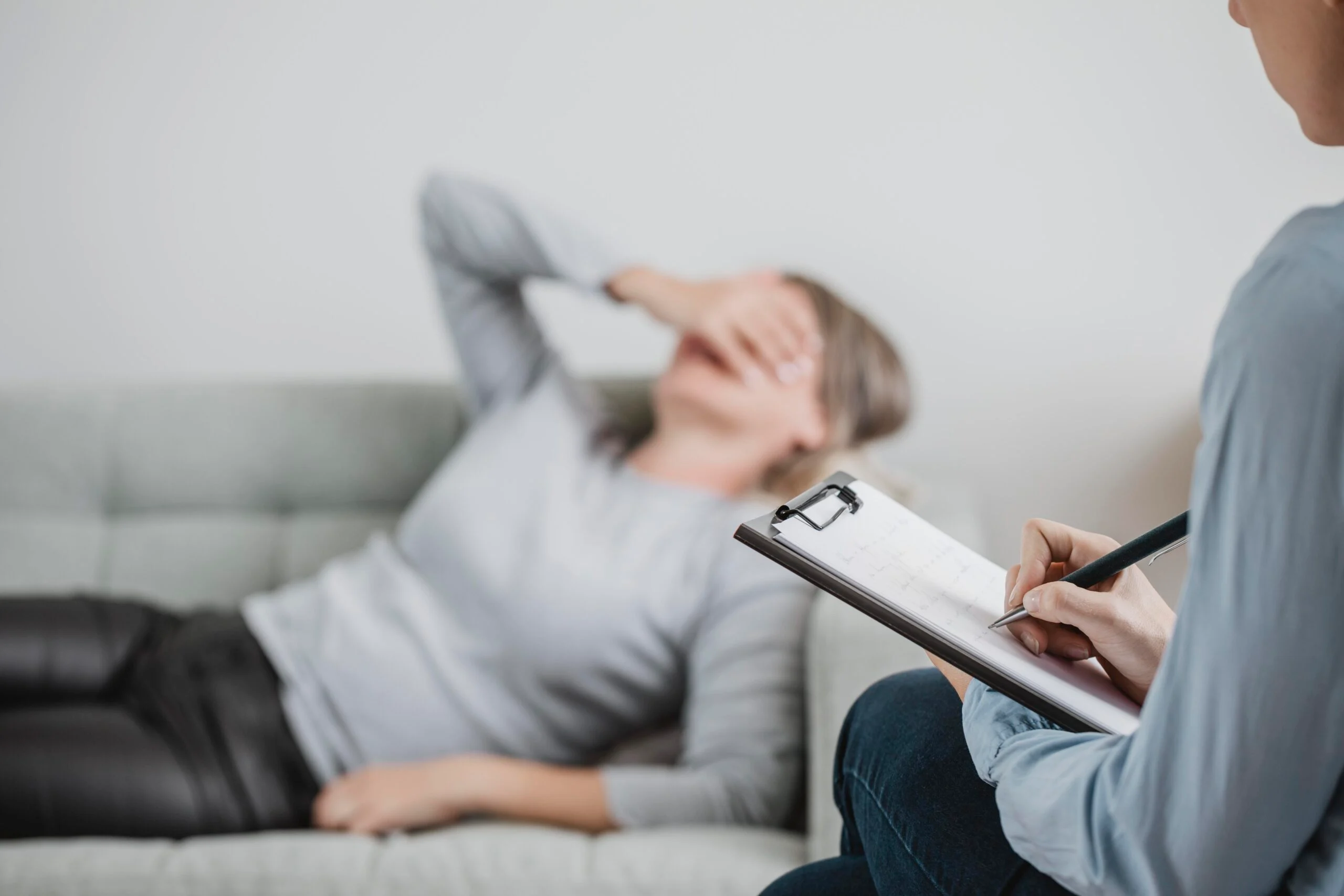
Anxiety is a common experience in adulthood, shaped by responsibilities, life transitions, and ongoing pressures. While occasional stress is normal, persistent Anxiety symptoms can interfere with emotional balance, physical health, and daily functioning. Understanding how anxiety presents in adults and learning effective management approaches supports long-term well-being and resilience.
How Anxiety Commonly Presents in Adults
Adult anxiety often looks different from childhood anxiety. Responsibilities related to work, family, finances, and health can influence how symptoms appear and persist.
Ongoing Worry About Daily Responsibilities
Adults with anxiety may experience constant concern about work performance, relationships, or future stability. These worries often feel difficult to control and may continue even when situations are objectively manageable.
Heightened Sense of Pressure or Overload
Many adults report feeling overwhelmed by routine tasks. Anxiety can amplify the perception of pressure, making everyday responsibilities feel exhausting or unmanageable.
Difficulty Relaxing or Feeling at Ease
A persistent sense of tension or restlessness is common. Even during downtime, adults may struggle to mentally disengage from responsibilities or concerns.
Emotional Anxiety Symptoms in Adults
Emotional experiences play a central role in adult anxiety and often affect self-perception and relationships.
Irritability and Reduced Patience
Anxiety can lower emotional tolerance, leading to frustration, impatience, or frequent mood changes, particularly in stressful environments.
Fear of Failure or Letting Others Down
Adults with anxiety often hold themselves to high standards. Fear of making mistakes or disappointing others can drive excessive self-criticism and avoidance.
Persistent Unease or Dread
A vague sense that something is wrong, even without a clear reason, is a frequent emotional symptom of anxiety in adulthood.
Physical Anxiety Symptoms Adults May Experience
The physical effects of anxiety are often pronounced in adults due to prolonged stress exposure.
Muscle Tension and Chronic Fatigue
Long-term anxiety can keep muscles in a constant state of tension, contributing to aches, headaches, and ongoing tiredness.
Changes in Heart Rate and Breathing
Palpitations, shallow breathing, or chest tightness may occur during anxious moments, reflecting the body’s stress response.
Digestive and Sleep Disturbances
Anxiety commonly disrupts digestion and sleep patterns, leading to appetite changes, stomach discomfort, insomnia, or unrefreshing sleep.
Cognitive Anxiety Symptoms Affecting Adult Life
Anxiety influences how adults think, process information, and make decisions.
Difficulty Concentrating at Work or Home
Worry and mental distraction can interfere with productivity, focus, and problem-solving abilities.
Overthinking and Mental Repetition
Adults with anxiety may replay conversations, decisions, or potential outcomes repeatedly, increasing mental exhaustion.
Self-Doubt and Negative Thought Patterns
Anxiety often reinforces critical self-talk and pessimistic expectations, affecting confidence and motivation.
Practical Ways Adults Can Manage Anxiety Symptoms
Managing anxiety involves consistent, supportive strategies rather than quick fixes.
Establishing Healthy Daily Routines
Regular sleep schedules, balanced nutrition, and physical activity help regulate the nervous system and reduce anxiety intensity.
Developing Stress Management Skills
Breathing exercises, mindfulness practices, and structured breaks during the day support emotional regulation and mental clarity.
Setting Realistic Expectations
Learning to set boundaries and adjust expectations reduces pressure and prevents burnout, particularly in demanding environments.
When Professional Support Is Helpful
While self-care is valuable, some anxiety symptoms benefit from professional guidance.
Recognizing When Anxiety Interferes With Functioning
If anxiety disrupts work performance, relationships, or physical health, professional support can provide effective tools and clarity.
Evidence-Based Treatment Options
Therapeutic approaches and mental health education help adults understand anxiety patterns and develop personalized coping strategies.
Conclusion
Anxiety symptoms in adults are common, understandable, and manageable with the right awareness and support. By recognizing emotional, physical, and cognitive signs early, adults can respond with informed strategies that promote balance and resilience. Calm Minds Hub is committed to offering clear, evidence-based guidance to help adults navigate anxiety with confidence and compassion. Find expert recommendations and top picks right on our main page.
FAQs
Are anxiety symptoms different in adults compared to younger people
Yes, anxiety symptoms in adults often center around responsibilities such as work, family, and finances, and may be more persistent due to long-term stress exposure.
Can adults manage anxiety symptoms without medication
Many adults manage anxiety symptoms effectively through lifestyle changes, stress management techniques, and therapy. The best approach depends on individual needs and symptom severity.
When should an adult seek help for anxiety symptoms
Professional support is recommended when anxiety symptoms persist, worsen, or interfere with daily life, relationships, or overall well-being.