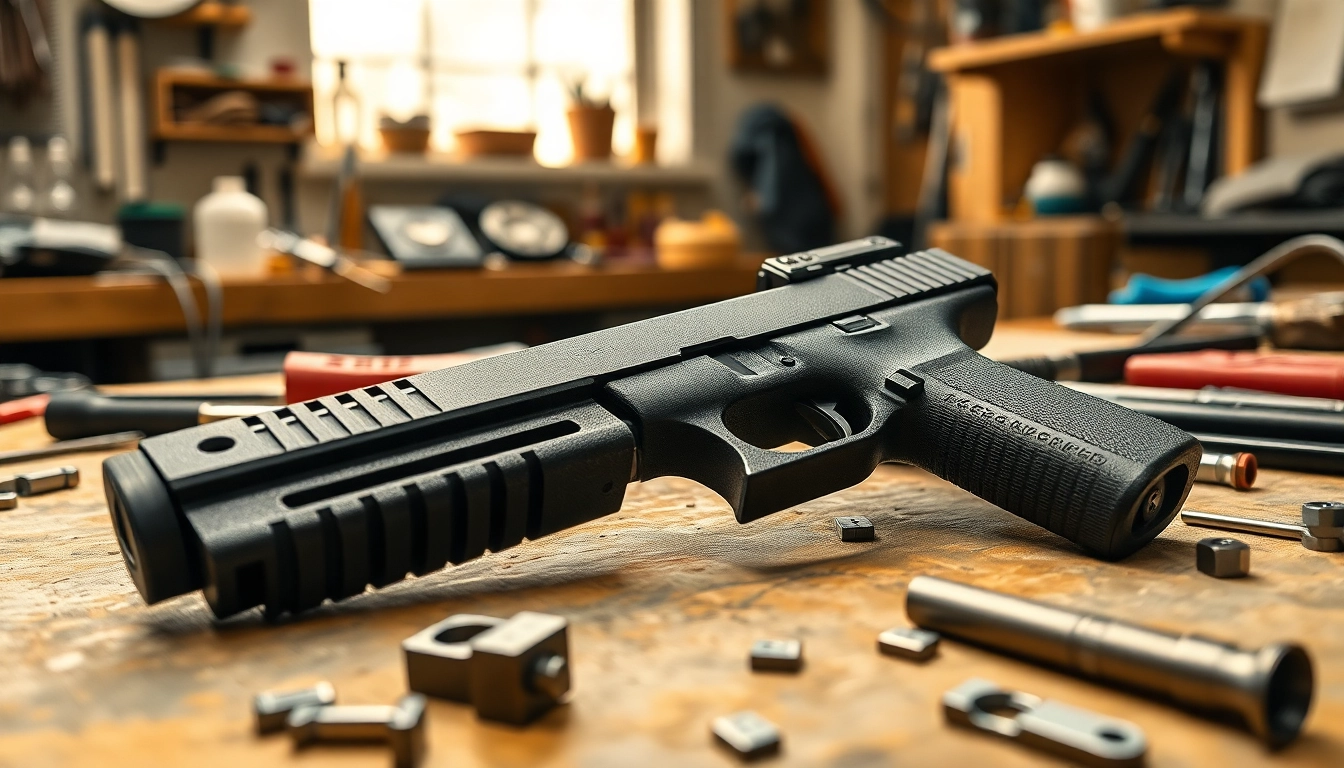
Understanding the Polymer 80 Glock 26
What is a Polymer 80 Glock 26?
The term polymer 80 glock 26 refers to a custom handgun built using an 80% lower receiver made by Polymer80, which allows enthusiasts and gun owners the ability to assemble their own Glock-compatible firearm. This process gives users control over their weapon's specifications while also being legal in many areas as it does not require a serial number until the firearm is completed.
Key Features of the Polymer 80 Glock 26
One of the significant advantages of the Polymer 80 Glock 26 lies in its design. It incorporates essential elements from the traditional Glock 26 but improves on various features:
- Factory-Style Grip Texture: Offering excellent control and comfort, the grip is designed for optimal handling.
- Customizable Frame: Being an 80% frame, it can be modified according to the user’s preferences.
- Compatibility: The Glock 26 accepts interchangeable Glock components, allowing for a seamless integration of aftermarket parts.
- Compact Size: The size makes it a top choice for concealed carry enthusiasts while providing a reliable performance.
Benefits of Choosing Polymer 80 Glock 26
Choosing the polymer 80 glock 26 brings numerous benefits, such as:
- Affordability: Building your own handgun can often lead to savings compared to purchasing a pre-built model.
- Customization: You can choose specific features, colors, and configurations, ensuring the final product meets your unique needs.
- Satisfaction: Assembling your handgun can enhance your understanding of its mechanics, resulting in a more rewarding ownership experience.
- Legal Flexibility: Depending on local laws, the ability to create a custom firearm while complying with regulations offers added peace of mind.
Components Needed for Building
Essential Tools for Your Assembly
To assemble your polymer 80 glock 26, having the right tools is crucial. Here are the essential tools you'll need:
- Router: A hand router is necessary to complete the machining process of the receiver.
- Drill Press: Ensuring precise holes in the frame, a drill press is an invaluable tool.
- Hand Tools: Basic screwdrivers, pliers, and wrenches are essential for assembly.
- Safety Gear: Eyewear and gloves should not be overlooked while working with power tools.
Recommended Parts and Accessories
After preparing your tools, you’ll need specific components to build your polymer 80 glock 26:
- Frame Kit: The Polymer80 PF940SC frame kit is required to start the build process.
- Lower Parts Kit: This includes all components required to make the lower receiver functional.
- Slide Assembly: Choose a compatible slide that fits the frame properly.
- Barrel: A quality barrel that works with the chosen slide assembly ensures reliability.
- Recoil Spring: Critical for cycling the action effectively.
Where to Source Quality Components
Finding high-quality parts for your build is vital to ensure the performance and longevity of your polymer 80 glock 26. Some great sources include:
- Online Stores: Websites dedicated to firearms and accessories often have a comprehensive selection.
- Gun Shows: Local gun shows can be an excellent place to find parts at competitive prices.
- Second-Hand Market: Ensure to verify the condition and legality of parts when buying used components to avoid poor-quality options.
Assembly Process for Polymer 80 Glock 26
Step-by-Step Assembly Guide
Building your polymer 80 glock 26 can be done by following these crucial steps:
- Preparation: Clear your workspace, gather tools and materials, and ensure a safe working environment.
- Frame Machining: Use a router to finish machining the frame according to the manufacturer’s instructions.
- Installing Lower Parts: Begin by installing parts such as the trigger, disconnector, and locking block inside the lower frame.
- Slide Assembly: Attach the slide, barrel, and recoil spring to the frame, ensuring everything fits correctly.
- Final Inspection: Double-check all components are properly installed, functioning, and that safety checks have been performed.
Common Mistakes to Avoid
When building the polymer 80 glock 26, it's important to be aware of common pitfalls:
- Neglecting Safety: Always prioritize safety gear and practices during assembly.
- Rushing the Machining Process: Take your time when cutting the frame to avoid errors.
- Incomplete Installation: Check twice to ensure that all components are installed correctly before assembly.
- Ignoring the Manual: Always follow the manufacturer’s guidelines for the best results.
Tips for a Flawless Build
To ensure success in your build process, consider the following tips:
- Take Notes: Document your assembly process for future reference and troubleshooting.
- Practice on Scrap Material: If possible, practice machining on scrap materials to gain confidence.
- Ask for Help: If you’re unsure about any step, consult with online forums or experienced builders.
- Stay Organized: Keep all parts organized to avoid misplaced components during assembly.
Customization Options for Polymer 80 Glock 26
Upgrades and Accessories for Your Build
Once your polymer 80 glock 26 is completed, customization options abound:
- Optics and Sights: Consider adding red dot sights for enhanced accuracy.
- Custom Triggers: Upgrading to a higher-quality trigger can improve responsiveness.
- Extended Magazines: Larger magazines can increase your capacity, but check local laws.
- Holsters: Invest in a high-quality holster tailored to your specific frame.
Choosing the Right Grip and Finish
Selecting a grip and finish can alter not only the aesthetics but the functionality of your polymer 80 glock 26. Factors to consider include:
- Material: Choose between rubberized grips for comfort or textured surfaces for better control.
- Color and Finish: A vast array of colors and finishes are available, from matte to high gloss.
- Ergonomics: Ensure the grip shape suits your hand size and usage style.
Knowing Local Regulations for Modifications
Before customizing your polymer 80 glock 26, it's imperative to understand local laws regarding firearm modifications:
- Legality: Ensure all modifications comply with applicable laws and regulations in your state.
- Documentation: Keep records of your build and any modifications made for law enforcement purposes.
- Consult Experts: Don’t hesitate to ask local regulations experts about specific modifications.
Maintenance and Care for Polymer 80 Glock 26
Routine Maintenance Practices
Regular maintenance is key to ensuring the longevity and reliability of your polymer 80 glock 26:
- Cleaning: After use, clean your firearm thoroughly to remove dirt and residue.
- Lubrication: Apply gun oil to essential moving parts to ensure smooth function.
- Inspection: Regularly check for wear and replace parts as needed to maintain integrity.
Cleaning and Storage Tips
Proper cleaning and storage are critical for your polymer 80 glock 26:
- Use the Right Materials: Avoid harsh chemicals; use cleaning kits designed for firearms.
- Store Safely: Always store your firearm in a secure place, using a safe or lockable case.
- Avoid Humidity: Keep firearms in a low-humidity environment to prevent rust and corrosion.
Troubleshooting Common Issues
Despite careful assembly and maintenance, issues can arise. Here are common problems and troubleshooting tips:
- Failure to Feed: Check the magazine for debris or incorrect assembly.
- Jamming: Ensure the barrel and slide are properly lubricated and free of obstructions.
- Inconsistent Shots: Look at your grip and stance; minor adjustments can enhance performance.
Frequently Asked Questions
1. Is it legal to build a Polymer 80 Glock 26?
Yes, it's generally legal to build an 80% firearm, but you must check local laws as regulations vary by state.
2. What tools do I need to assemble my Polymer 80 Glock 26?
You need tools like a router, drill press, basic hand tools, and safety gear to complete the assembly.
3. Can I customize my Polymer 80 Glock 26?
Absolutely! You can modify grips, triggers, and sights to fit your personal preferences.
4. How often should I clean my Polymer 80 Glock 26?
Regular cleaning after use is recommended to ensure optimal performance and longevity.
5. What are common issues I may face with my build?
Common issues include failures to feed, jamming, and inconsistent shots, which can often be resolved with proper maintenance.