Understanding the Basics of Fly Fishing Line
What is Fly Fishing Line?
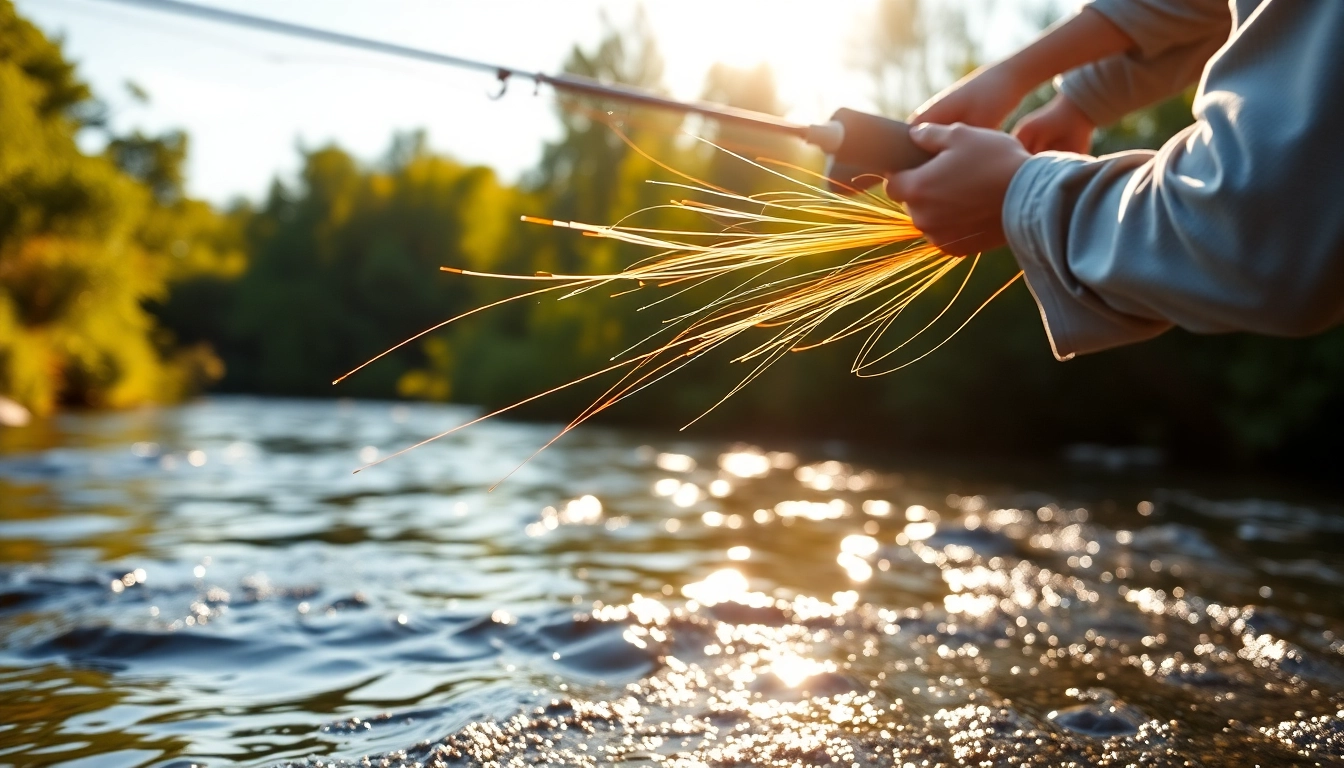
Fly fishing line is a crucial component in the sport of fly fishing, serving as the connection between the angler and the fish. Its primary function is to carry the fly to the desired location while allowing for precise control and presentation of the bait. Unlike conventional fishing lines, fly fishing line is typically heavier and is designed to be cast using the weight of the line itself rather than the weight of the bait or lure. This fundamental difference sets fly fishing apart from other fishing methods, emphasizing the importance of line choice for successful angling experiences.
Types of Fly Fishing Lines Available
Understanding the various types of fly fishing lines is essential for any angler looking to optimize their fishing strategy. Here are the primary types:
- Weight Forward (WF) Lines: These are the most common lines used and are designed with a heavier front section, allowing for easier casting.
- Double Taper (DT) Lines: This type features a thicker middle section with tapered ends, ideal for delicate presentations and roll casts.
- Level Lines: Uniform in thickness, these lines are often used for specific techniques such as nymphing.
- Shooting Heads: Comprised of a short, heavy front section and a long, lightweight running line, they are perfect for longer casts.
- Saltwater Lines: Designed to withstand harsh saltwater conditions, these lines are more robust and often incorporate materials to resist corrosion.
Key Features to Consider
When selecting a fly fishing line, several features are worth considering to ensure optimal performance:
- Line Weight: This should correspond to the weight of your fly rod for the best casting performance.
- Material: Modern lines are typically made from PVC or polyurethane, which offer durability and slick surface characteristics.
- Taper: The taper design affects how the line behaves during casts, influencing distance and accuracy.
- Coating: A smooth and hydrophobic coating reduces drag while providing better casting performance.
How to Select the Right Fly Fishing Line
Match Your Line to Your Rod
Selecting the right fly fishing line involves matching the line weight to your fly rod specifications. Each rod is rated for a specific weight, usually indicated on the rod itself. It's vital to find a line that fits this rating to achieve optimal casting distance and accuracy.
Determine the Fishing Conditions
Your fishing environment also plays a significant role in line selection. For freshwater fishing, lighter lines might suffice, whereas heavier saltwater lines may be necessary to handle wind and overcome resistance. Additionally, factors such as water clarity and depth can determine the type of line you should use, with sinking lines often more effective in deeper waters.
Assess Your Skill Level
Beginners may want to start with a versatile Weight Forward line that offers ease of use, while experienced anglers might prefer specialized lines that cater to specific techniques or species. Understanding your skill level will help you choose a line that enhances your experience rather than complicating it.
Best Practices for Maintaining Your Fly Fishing Line
Cleaning and Storing Your Line
To prolong the life of your Fly fishing line, it should be cleaned regularly. After each use, rinse your line with fresh water to remove dirt and debris, then dry it before winding it back onto the reel. Store your line in a cool, dry place away from direct sunlight to prevent degradation.
Replacing Your Line: When and Why
It's essential to replace your fly fishing line periodically. Signs that it may need replacing include visible wear, such as frays or abrasions, as well as decreased casting performance. Most angers find it beneficial to replace their line at least once a year, if not more often depending on usage.
Inspecting for Damage Regularly
Regular inspection of your line for damage is critical to maintain optimal performance. Bumps or discoloration can indicate issues that may affect casting. By identifying and addressing these problems early on, you can prevent even more costly repairs or replacements in the future.
Innovations in Fly Fishing Line Technology
Advancements in Material Composition
Recent innovations in fly line technology have led to advanced materials that enhance durability and performance. High-quality polymers are now commonly used to create lines that are both lightweight and resistant to environmental elements. These materials allow anglers to achieve longer casts with reduced effort.
New Design Features Enhancing Performance
Manufacturers have incorporated new design features, such as improved taper profiles and line coatings, that reduce tangling and enhance casting distance. These innovations have allowed anglers to target various species more efficiently and effectively, impacting their overall fishing experience positively.
The Future of Fly Fishing Lines
As technology continues to evolve, the future of fly fishing lines is likely to see further enhancements. We can expect continued improvements in line strength, sensitivity, and adaptability to different fishing conditions and styles. This progression could lead to more specialized lines tailored for specific applications, helping anglers optimize their catching potential.
Frequently Asked Questions About Fly Fishing Line
What is the best fly fishing line?
The best fly fishing line varies by angler preference and conditions. Consider your fishing environment, skill level, and target species to determine which line suits you best.
How do I know what weight fly fishing line to use?
Match the line weight to your fly rod rating, typically printed on the rod. This ensures optimal casting performance and accuracy.
Can I use a freshwater fly fishing line in saltwater?
While it's possible, using a specialized saltwater line is advisable due to its durability and resistance to corrosion and environmental factors.
How often should I replace my fly fishing line?
Replacing your fly fishing line should be done at least once a year, or more frequently if you notice wear or reduced performance.
What is the significance of line taper in fly fishing?
Line taper affects casting performance. Tapered lines facilitate better energy transfer during casting, enhancing distance and accuracy during the presentation of the fly.