Understanding Crawl Space Restoration
What is Crawl Space Restoration?
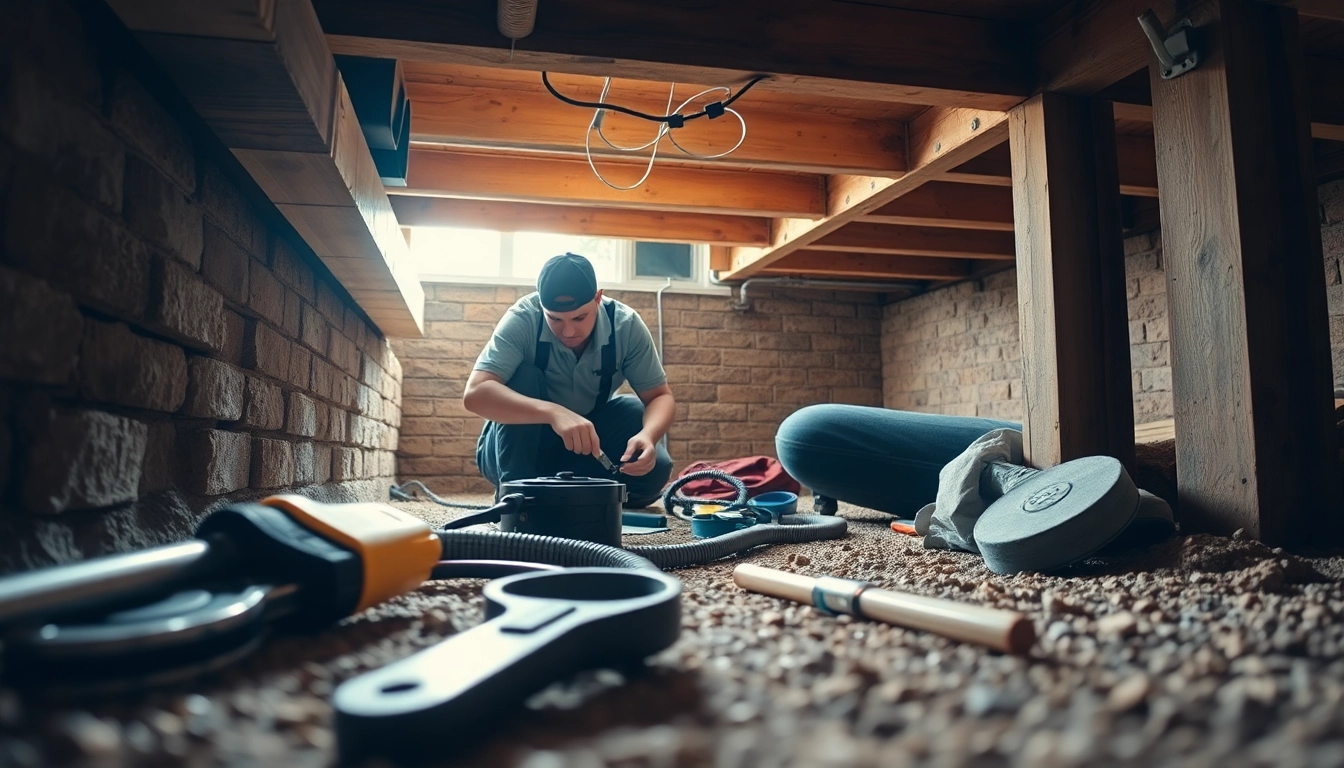
Crawl space restoration refers to the comprehensive process of fixing and maintaining the often-overlooked area beneath your home. This space is typically characterized by limited access, with a height that usually does not allow for a person to stand. It serves a critical function by providing a buffer between the home’s foundation and the ground, yet its importance is often underestimated. Restoration involves a range of repair and maintenance activities designed to address issues such as water damage, pest infestation, and structural failures. Implementing effective crawl space restoration practices can enhance the overall structural integrity of the home and improve indoor air quality.
Importance of Crawl Space Maintenance
Regular maintenance of the crawl space is crucial for several reasons. First and foremost, a well-maintained crawl space prevents water accumulation that can lead to mold, mildew, and structural damage. Poor moisture management can create a breeding ground for pests, which may invade your home. Additionally, addressing issues early can save homeowners considerable repair costs down the line. Through Crawl Space Restoration, you can ensure that this integral part of your home remains in optimal condition, providing durability, comfort, and safety for your family.
Common Issues in Crawl Spaces
Crawl spaces, due to their unique environment, can face a variety of issues. Some of the most common problems include:
- Moisture Accumulation: This can result from poor drainage systems or heavy rainfall.
- Pest Infestation: Insects and rodents can find their way into crawl spaces, causing damage and health concerns.
- Insufficient Ventilation: Poor airflow can lead to humidity buildup, exacerbating moisture problems.
- Structural Damage: Wood rot and weakened foundations can arise from persistent moisture and other environmental factors.
- HVAC Issues: A poorly managed crawl space can lead to inefficient heating and cooling throughout the home.
Signs Your Crawl Space Needs Restoration
Identifying Water Damage
Water damage is a prevalent concern in crawl spaces, manifesting as wet insulation, mold growth, or standing water. Homeowners should routinely inspect their crawl space for noticeable signs, such as dampness on walls or floors, musty odors, and condensation buildup. Early detection is key to preventing more serious problems, such as structural decay. Employing moisture meters can also aid in monitoring humidity levels.
Signs of Pest Infestation
Identifying pest infestation early is vital to mitigate damage and health risks. Look for signs such as droppings, gnawed wood, and nests. The presence of dead insects or rodents, as well as unusual noises, can also indicate an infestation. Regular inspections and preventive measures, such as sealing entry points, can reduce the likelihood of pest problems.
Structural Integrity Concerns
The integrity of a home depends significantly on its foundation and sub-structure. Signs of structural issues may include sagging floors, cracked walls, or uneven surfaces. Such problems can worsen without timely action. Homeowners are encouraged to tap into their innate detective skills by looking for these signs and enlisting professional help immediately if problems arise.
Steps for Effective Crawl Space Restoration
Assessing the Damage
The first step in restoration involves a comprehensive assessment of the crawl space. Homeowners should conduct a thorough inspection or hire a professional to identify the scope of damage. Look for moisture levels, signs of pests, mold growth, and structural concerns. This step will help determine the necessary restorative actions and prioritize repairs accordingly.
Implementing Moisture Control Measures
Moisture control is key to successful crawl space restoration. This can include installing vapor barriers, improving drainage systems, and ensuring proper ventilation. Systems such as dehumidifiers may also be necessary to manage humidity levels effectively. Implementing these measures not only protects against moisture damage but can also greatly improve indoor air quality.
Repairing Structural Components
Once the damage has been assessed, and moisture control measures are in place, it's time to repair any structural issues. This can involve replacing rotting beams, reinforcing joists, and addressing any visible cracks in the foundation. Ensuring that your crawl space is structurally sound is essential for the longevity and safety of your home.
Choosing the Right Restoration Services
Evaluating Service Providers
Selecting experienced professionals is critical for effective restoration. Homeowners should look for certifications, references, and reviews when evaluating potential service providers. Interviewing previous customers can provide insights into the quality and reliability of service. It’s also important to ensure that the contractor is knowledgeable about local regulations and best practices in crawl space management.
Understanding Cost Factors
The costs associated with crawl space restoration can vary significantly based on the extent of the damage, the types of services required, and the geographical location. Homeowners should obtain multiple quotes to understand the market rate, and take time to review what is included in each estimate to avoid hidden fees. Balancing quality with cost is essential when investing in restoration services.
Customer Testimonials and Reviews
Reviews and testimonials play a substantial role in selecting a restoration service. Prospective clients should look for feedback on the quality of work, customer service, and the overall effectiveness of the restoration. It reflects not only the capabilities of the service provider but also their commitment to customer satisfaction.
Ongoing Maintenance After Restoration
Regular Inspections
Once restoration is complete, ongoing maintenance becomes essential. Regular inspections are crucial to ensure that issues do not reoccur. Homeowners should aim to conduct semi-annual inspections to check for signs of moisture, pest activity, and that all installed measures are functioning as intended.
Preventive Measures
Implementing preventive measures can save homeowners from future problems. This may involve maintaining proper drainage around the foundation, ensuring all vents are clear, and maintaining humidity levels with the use of a dehumidifier. Additionally, keeping insulation in good condition can help reduce moisture-related issues.
Establishing a Maintenance Schedule
Establishing a clear maintenance schedule can drive proactive management of the crawl space. This can include seasonal checks as well as specific tasks aimed at controlling moisture and structural integrity. Creating a timeline that includes tasks like cleaning gutters, checking drainage systems, and inspecting insulation will ensure the crawl space remains in optimal condition for years to come.
FAQs about Crawl Space Restoration
What is the average cost of crawl space restoration?
The cost of crawl space restoration varies widely based on factors like the extent of damage and required services. Generally, it can range from $1,500 to over $10,000.
How long does crawl space restoration take?
The duration of crawl space restoration depends on the severity of the issues. Typically, it may take a few days to several weeks to complete thorough restoration.
How can I prevent water damage in my crawl space?
Preventing water damage can be achieved by ensuring proper drainage, using vapor barriers, and maintaining a working sump pump if necessary to handle excess water.
Should I handle crawl space issues on my own?
While minor issues can be addressed by homeowners, larger problems, especially those involving structural integrity or extensive damage, should be handled by professionals.
What are the signs of mold in my crawl space?
Signs of mold in a crawl space include a musty odor, visible mold patches, and moisture buildup. Regular inspections can help catch mold growth early.