The Appeal of Winery Sacramento
Overview of Wineries in Sacramento
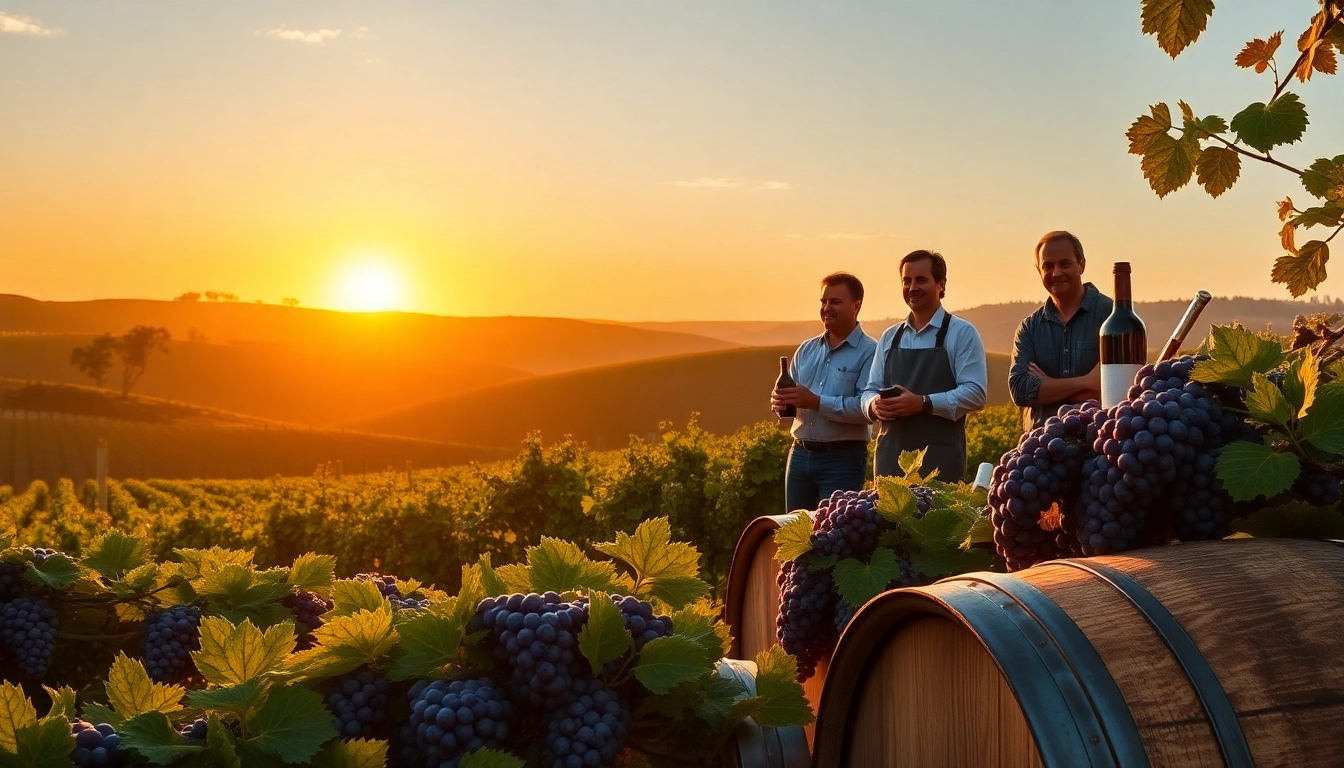
Sacramento, the capital city of California, is not only known for its government buildings and bustling urban life but has also become a notable destination for wine enthusiasts. The Winery Sacramento experience unfolds across diverse landscapes dotted with vineyards, each boasting unique characteristics influenced by the region's climate and soil. With a growing number of wineries, the area offers a rich tapestry of wines reflecting local terroirs alongside innovative winemaking techniques.
From boutique wineries to larger-scale productions, Sacramento’s wine scene is diverse. Many of these wineries are located in the nearby Sierra Foothills and the Sacramento Valley, where the Mediterranean climate fosters ideal grape-growing conditions. The region’s winemakers emphasize sustainable practices, capturing the essence of the local environment and producing high-quality wines that reflect its identity.
Why Visit Winery Sacramento?
Visiting wineries in Sacramento provides a unique combination of exquisite wines and the opportunity to experience Californian hospitality. The wineries often host vibrant events, from wine tastings to food pairings, which allow visitors to immerse themselves fully in the local culture. In addition to wine itself, many wineries showcase local art, host live music, and even feature farm-to-table dining experiences. This creates not just tasts, but an enjoyable day out surrounded by both natural beauty and community vibrancy.
The proximity of Sacramento to a variety of wine regions is also appealing. A short drive can take visitors to renowned areas such as Napa Valley and Sonoma, but the wineries of Sacramento provide a more laid-back atmosphere and often less crowded experiences where one can engage directly with the winemakers.
Unique Characteristics of Local Wines
The Sacramento area is renowned for its unique wine varietals, which often reflect the distinctive soil and climate conditions. One commonly found grape variety is Zinfandel, known for its bold, fruity flavors, often complemented by hints of spice. This robust grape thrives in the warm temperatures and ample sunlight of the valley, making it a staple for local winemakers.
In addition to Zinfandel, Sacramento is home to other varietals such as Chardonnay, Merlot, and Cabernet Sauvignon. For those seeking something a bit different, local producers have also begun to experiment with more unusual grapes like Tempranillo and Grenache, bringing a fresh twist to the local wine selection.
Moreover, many wineries focus on small-batch productions, allowing for an artisanal touch that enhances the overall flavor and quality of the wine, helping to showcase the region's potential among wine aficionados. The spirits often feature a blend of traditional techniques and modern innovation, which together tell a deeper story about the area and its wine culture.
Planning Your Visit to Winery Sacramento
Best Times to Explore
The optimal times to explore the wineries in Sacramento depend largely on the visitor's preferences in terms of weather, events, and seasonal activities. The spring and fall months generally offer the most pleasant weather for vineyard tours, with cool yet sunny days and beautiful scenic views as the vines change color or burst into bloom.
During spring, typically from March to May, visitors can catch the tail end of the flowering season, while the fall months, from September to November, are ideal for harvest festivals where guests can partake in grape picking and enjoy fresh local produce. Summer is also an exciting time to visit as many wineries host outdoor concerts and festivals, though the heat can be intense.
Winter, while quieter, presents opportunities for cozy wine tastings and tranquil vineyard explorations devoid of crowds. Events like holiday parties and seasonal wine releases offer unique insights into the ongoing craftsmanship of local winemakers.
Top Wineries to Include in Your Tour
When planning a tour of wineries in Sacramento, including some of the best establishments can significantly enhance the experience. Here are several notable wineries worth visiting:
- Dry Creek Vineyards – A pioneer of Zinfandel and a family-run winery, it offers stunning views and knowledgeable staff.
- Rancho Victoria Vineyards – Renowned for its award-winning wines; the scenic vineyard is also beloved for its hospitality.
- Hagafen Cellars – Their first-rate winery features a diverse range of wines including outstanding Cabernet Sauvignon and Chardonnay.
- Haven’t Heard of Silt Wine Co. – This up-and-coming winery embodies the spirit of Sacramento with innovative blends and a commitment to sustainable practices.
- Terra Firma Farm – Affiliated with local produce, this winery offers a unique blend of wine and farm-fresh cuisine.
Each winery offers a distinct experience, guided tours, and informative tastings, allowing visitors to learn not only about the wines but also the local culture. It’s advisable to check advance reservations for tastings or tours during your visit.
Events and Seasonal Activities
Events at Sacramento wineries provide an engaging way for visitors to experience local wine, food, and culture. These events range from casual tastings to elegant dinners, themed festivals, and educational workshops. Seasonal festivities can include grape stomping in the fall, tasting events designed around holiday themes in the winter, and vibrant vineyard picnics in spring and summer.
Each winery typically boasts a calendar of events that reflects their individual traditions and specialties. Not only are these events an excellent opportunity to enjoy wines, but they also showcase local food pairings, art, and live entertainment, contributing to a rich cultural experience. Additionally, many wineries host wine club events for members where exclusive releases and tastings are unveiled.
Many wineries also collaborate with local chefs and artisans to offer unique experiences that highlight farm-to-table principles, allowing visitors to enjoy culinary delights alongside exquisite wines. Thus, visitors are encouraged to check schedules ahead of time for any special events that coincide with their visit.
Tasting Experiences at Winery Sacramento
Types of Wine Tastings Offered
Wine tastings at Sacramento wineries come in a wide variety of formats to accommodate different preferences and interests. Some common types include:
- Standard Tastings: Typically a selection of the winery’s most popular or flagship wines offered in a casual setting.
- Vertical Tastings: An in-depth exploration of the same varietal from different vintages, showcasing how aging can affect flavor profiles.
- Horizontal Tastings: Comparing multiple varietals from different producers, allowing for comprehensive analysis of regional differences.
- Food and Wine Pairings: A guided tasting experience that integrates local cuisine with selected wines to illuminate flavors and enhance the overall tasting experience.
- Private Tastings: Customized experiences facilitate an intimate atmosphere, often with winemakers themselves leading the discussion.
With these varied options, visitors can tailor their experience to match their preferences and gain a deeper understanding of wine nuances and the local winemaking philosophy.
Pairing Wine with Local Cuisine
The intersection of wine and food is a significant aspect of the tasting experience at wineries in Sacramento. Local cuisine plays an essential role in enhancing the wine tasting journey, making food and wine pairings an art form many wineries actively promote.
Local restaurants often emphasize farm-to-table practices, creating dishes that highlight seasonal produce and ingredients sourced from local farms. These dishes pair beautifully with Sacramento wines, offering guests the chance to explore how various flavors can elevate the tasting experience.
For example, pairing a robust Zinfandel with grilled meats or savory stews can yield beneficial flavor contrasts that enhance both the food and the wine. Meanwhile, a light Chardonnay may beautifully complement a fresh salad or seafood dish. Wineries frequently collaborate with local chefs to host special events that highlight these concepts as part of their tasting menus.
Whether through pre-arranged tasting menus or informal explorations, such pairings provide visitors with a fuller appreciation of both the wines and the culinary landscape of the region.
Understanding Wine Labels and Varietals
As visitors enjoy wine tastings in Sacramento, a common question may arise regarding how to understand the labels on wine bottles and the varietals offered. Knowledge of wine labels can be incredibly enlightening when selecting a bottle that suits personal tastes or food pairings.
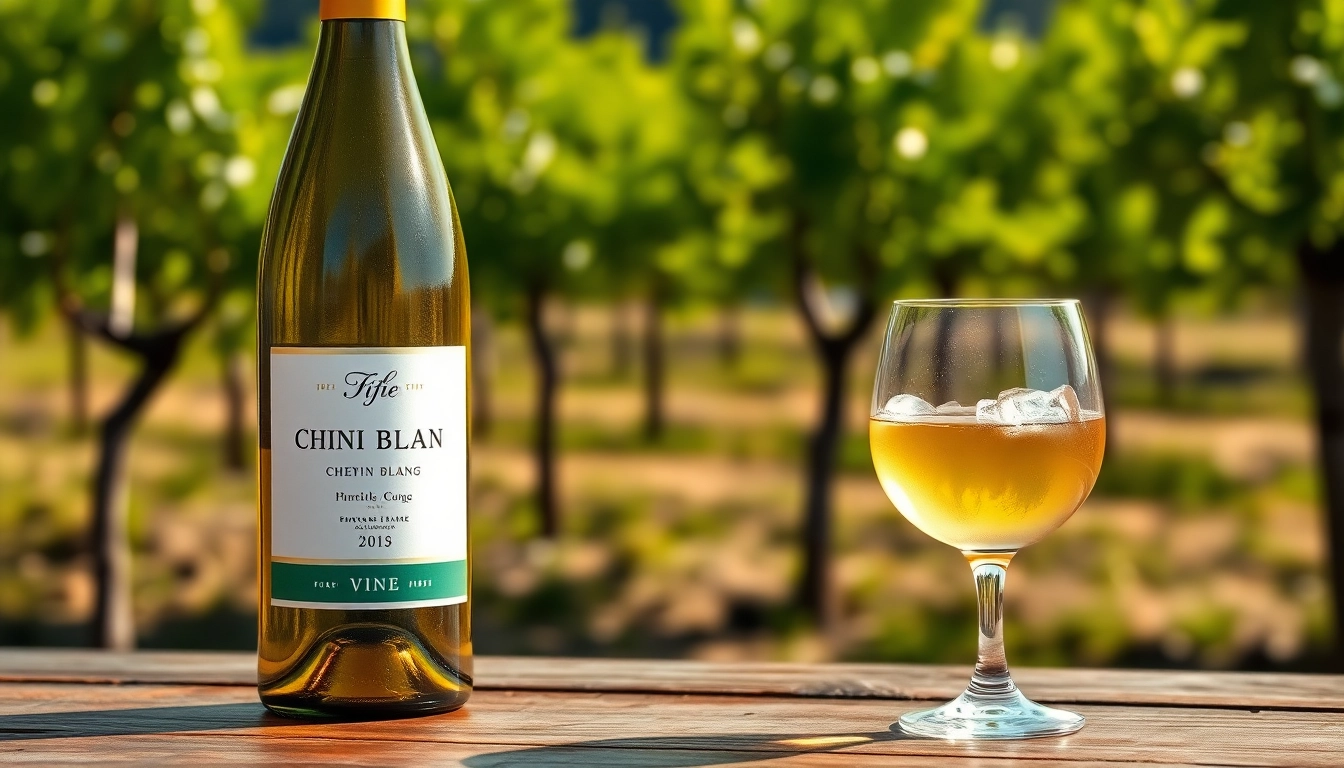
Wine labels typically include essential information such as the varietal (the type of grape), vintage (the year the grapes were harvested), and the region where the wine was produced. Understanding these elements provides insight into the wine’s characteristics, expected flavors, and potential for aging. For instance, a high-quality Chardonnay from a reputable vineyard in a certain vintage year might indicate a richer tasting experience compared to lesser-known wines.
Additionally, various designations on labels such as "Estate Bottled," "Single Vineyard," or even "Organic" can signify specific practices or qualities about the wine. Visitors at the wineries can benefit from engaging with staff members to learn more about these designations and how they align with personal preferences. This understanding can enhance a customer’s ability to choose a wine with confidence, whether during tastings or later at wine shops.
The Winemaking Process Explained
From Vineyard to Bottle: The Journey of Wine
The winemaking process is intricate and involves multiple stages, beginning right from the vineyard to finally filling a bottle. The first step involves grape cultivation, where essential factors include choosing the right grape varieties for the climate and soil conditions.
Once harvested, grapes are usually crushed and fermented, which is where the magic happens. Yeast is introduced to convert sugars found in the grapes into alcohol, creating must, which is then pressed to separate solids.
Following fermentation, the wine undergoes maturation where cuvée blends, aging in barrels, or stainless-steel tanks may occur. The bottling process is the final step, often involving filtration and possibly further blending before the wine is sealed in bottles ready for sale.
Throughout this process, winemakers emphasize careful monitoring of variables such as temperature, timing, and oxidation levels to ensure optimal flavor development and quality. Each phase influences the final product, making winemaking both an art and a science.
Techniques Used by Local Winemakers
Local winemakers in Sacramento have adopted various techniques that combine traditional craftsmanship with innovative practices to produce distinctive wines. Techniques can vary widely, influenced by personal philosophies and the varietals being crafted.
Some winemakers focus on organic or biodynamic farming practices, which enhance sustainability and promote healthier ecosystems within the vineyards. Others leverage modern technologies, such as precision viticulture, to monitor grapes’ growth through sensors and data analytics, optimizing irrigation and fertilization.
Fermentation techniques can also vary; for instance, some winemakers may use native yeasts to emphasize the terroir of their wines, while others might select specific yeast strains to achieve desired flavor profiles.
Blending is yet another approach where varietals are combined to create a balanced wine, illustrating the idea that collaboration can produce an even better final outcome. Through the application of these various techniques, Sacramento winemakers continue to elevate the quality and uniqueness of their wines.
Common Challenges Faced in Winemaking
Like any agriculturally-based production, winemaking comes with its fair share of challenges that can impact both processes and results. Climate change significantly affects grape quality, leading to earlier harvests, changes in sugar levels, and impacting flavor profiles. Winemakers must adapt their practices to ensure that their products remain consistent year after year.
Pests and diseases are other prevalent threats in vineyards. Integrated pest management strategies and organic farming practices are often employed to mitigate these risks while minimizing environmental impact. Additionally, fluctuations in market demand can pose a challenge for producers, who must balance production levels and pricing strategies effectively.
Lastly, the aging process presents its own challenges, particularly for varietals that require several years of bottle aging to achieve peak flavor. Winemakers must make difficult decisions about when to release wines, based on tasting notes and product readiness, all while navigating consumer expectations.
Enhancing Your Knowledge of Wine in Sacramento
Educational Tours and Workshops
For those looking to deepen their understanding of wine, many wineries in Sacramento offer educational tours and workshops as part of their guest experience. These programs often provide visitors with firsthand insights into various aspects of the winemaking process.
During tours, guests may observe grape harvests, learn about fermenting processes, and enhance their tasting skills. Workshops can include specialized themes, such as aging wines, understanding terroir, or even practical winemaking techniques where participants can create their own blends.
These experiences provide an interactive and engaging environment to appreciate the rich complexity of wine in a way that purely tasting cannot achieve. Many wineries also collaborate with local culinary schools or wine experts to provide a portion of the educational curriculum.
Books and Resources to Deepen Your Understanding
In addition to experiential learning, numerous books and resources are available for those who wish to further their wine knowledge. Books by renowned authors such as Jancis Robinson and Hugh Johnson offer comprehensive insights into wine varietals, regions, and tasting techniques.
Online platforms, webinars, and courses also foster wine education, allowing learners from around the globe to participate in comprehensive courses on viticulture, oenology, and wine appreciation. Local libraries may carry excellent resources, as well as recommended titles highlighted in tasting tours. Additionally, wine magazines and blogs provide current articles and discussions relevant to ongoing industry changes and trends.
Join Local Wine Clubs for Continued Exploration
For wine enthusiasts eager to continue their exploration of Sacramento’s offerings, joining a local wine club presents an excellent opportunity. These clubs typically provide members with exclusive access to new releases, discounts, and educational events.
Memberships often feature curated selections based on each winery's philosophy and approach, empowering participants to sample varietals they might not usually explore on their own. Many clubs also host tastings, social gatherings, and vineyard tours where members can connect with fellow wine lovers, share experiences, and learn together.
Joining a local club embodies the spirit of community prevalent in the Sacramento wine scene, supporting small businesses while enriching one’s wine journey with shared insights and experiences.