Introduction to Wineries in Clarksburg
Clarksburg, a hidden gem in the heart of California’s wine country, offers a rich tapestry of wineries, each with unique offerings that tantalize the palate. As you explore the picturesque landscapes of vineyards and rolling hills, you discover a variety of wine experiences waiting to be savored. Visitors and locals alike are drawn to the wineries in Clarksburg for their dedication to quality and innovation. In this article, we’ll delve into the fascinating world of Clarksburg's wineries, examining their historical significance, the diverse varieties produced, and insights into selecting the right winery for your experience.
Overview of the Clarksburg Wine Region
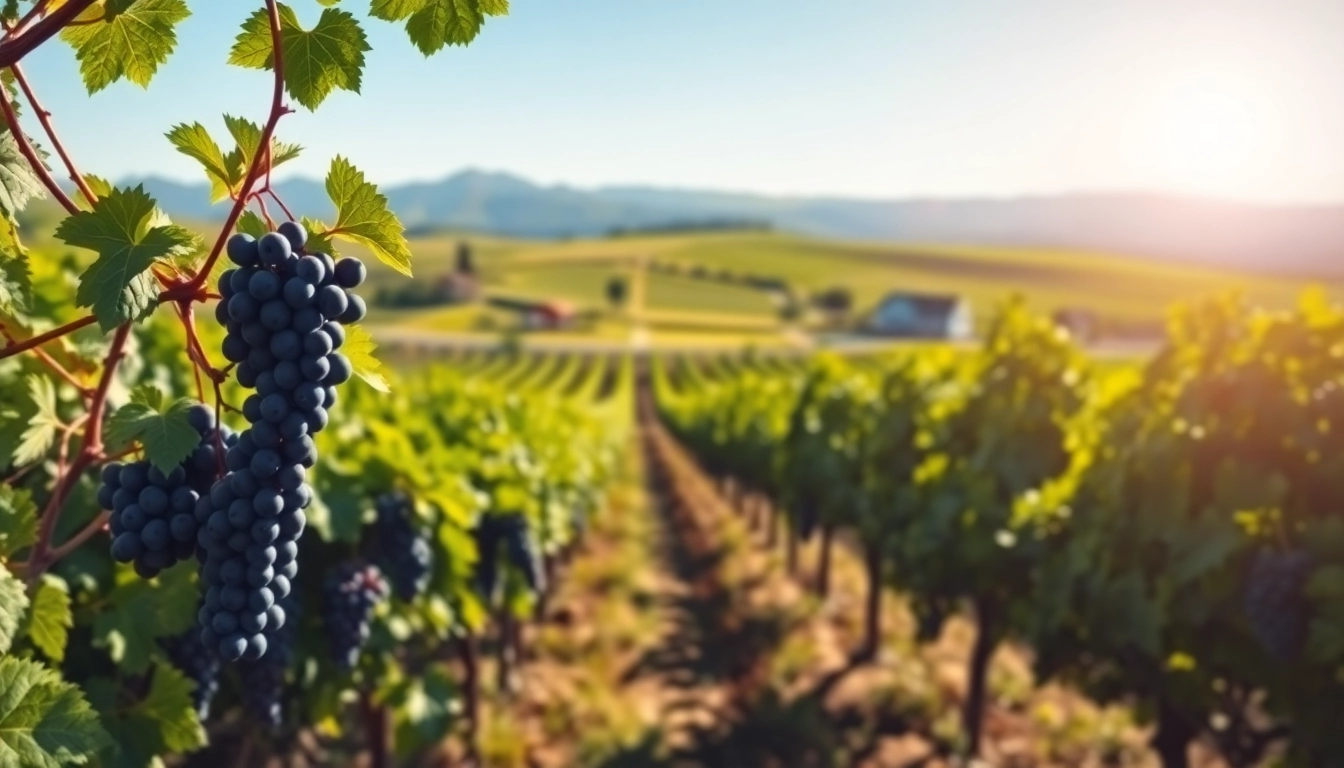
The Clarksburg wine region, situated near the Sacramento River Delta, boasts a unique microclimate that nurtures a diverse range of grape varietals. The area is characterized by its warm days, cool nights, and fog that rolls in from the river, all contributing to the ideal growing conditions for grapes. Clarksburg is particularly known for its production of Chenin Blanc, Zinfandel, and Cabernet Sauvignon, among others. The strategic location also allows the vines to benefit from rich alluvial soils, providing nutrients essential for growing high-quality grapes.
Historical Significance of Wineries in Clarksburg
The history of wineries in Clarksburg dates back to the late 19th century when early settlers began cultivating vineyards. This site was initially favored for its agricultural potential, especially with the establishment of the Sacramento River as a vital transportation route for wine production. As the years progressed, Clarksburg’s wineries adapted to changing market demands and emerged as respected players in the California wine industry. The region has earned acclaim for its artisanal approach to winemaking, focusing on sustainable practices and organic options that respect the land’s history.
Wine Varieties Produced Locally
Clarksburg's wineries produce an array of exquisite wines that reflect both the local terroir and the expertise of winemakers. Key varietals include:
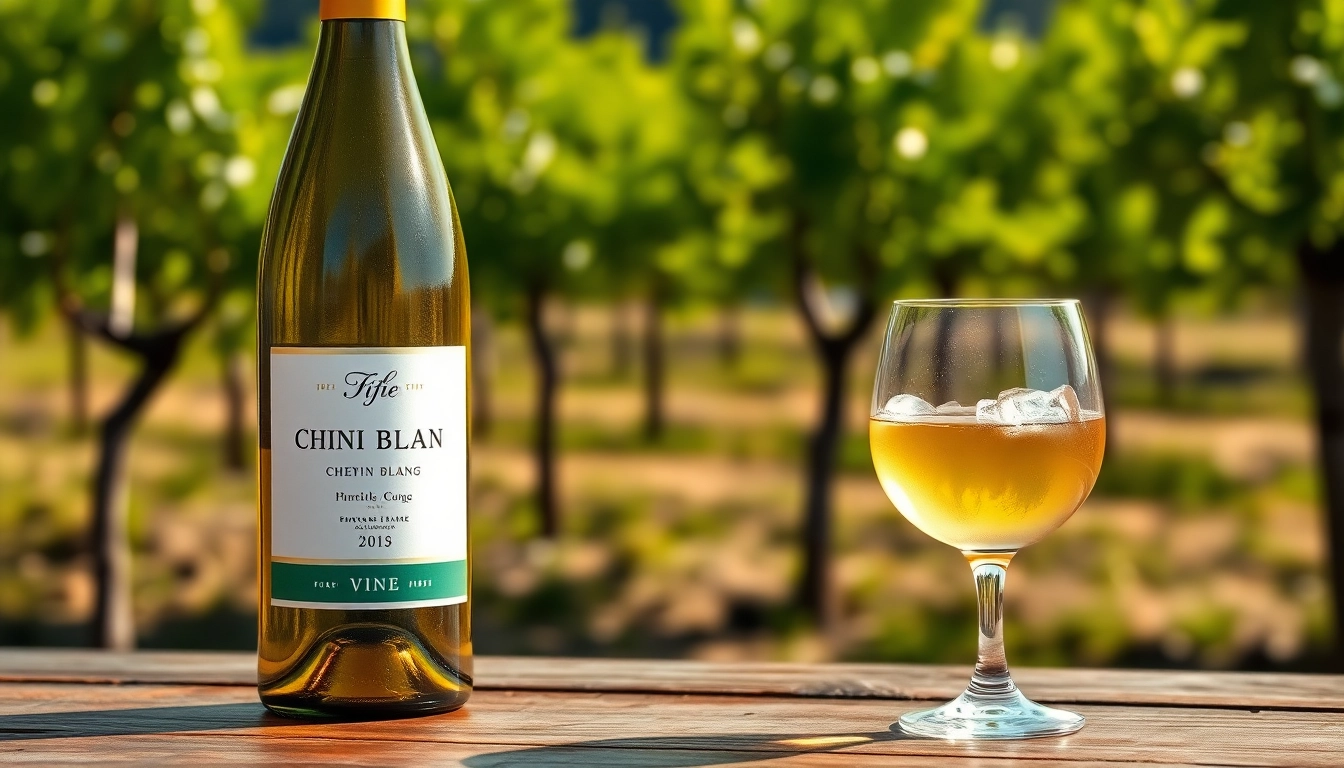
- Chenin Blanc: This white varietal is known for its crisp acidity and fruity flavors, often showcasing notes of green apple and pear.
- Zinfandel: A popular red varietal, Clarksburg Zinfandels are often jammy with spice, making them a favorite among local wine enthusiasts.
- Cabernet Sauvignon: Renowned for its deep flavors and robust profile, Clarksburg's Cabernets are celebrated for their complexity and aging potential.
- Merlot: Offering a softer palate, Clarksburg Merlots are fruit-forward with rich undertones of chocolate and herbs.
Choosing the Right Winery in Clarksburg
Factors to Consider When Selecting a Winery
When it comes to selecting a winery in Clarksburg, there are several key factors to consider. Understanding the nuances of what each winery offers is crucial to ensuring a satisfying experience. Consider the following:
- Wine Selection: Evaluate the types of wines produced. Are you looking for a particular varietal? Some wineries specialize in small-batch productions, while others offer a wider variety.
- Tasting Experience: Some wineries provide a more formal tasting environment, while others may offer a relaxed and casual atmosphere. Decide which experience aligns with your preferences.
- Touring Options: Investigate whether guided tours are available. Guided tours can provide insights into the winemaking process and the history of the vineyards.
- Food Pairing: Many wineries offer food pairing options or have restaurants on-site. This can significantly enhance your wine tasting experience.
Best Practices for Wine Tasting
Wine tasting is an art form that can be thoroughly enjoyable and educational. To make the most of your experience at wineries in Clarksburg, consider adopting these best practices:
- Savor Slowly: Take your time to appreciate the aromas and flavors of each wine. Swirl the glass, take a moment to inhale its scent, and then take small sips to fully enjoy the tasting notes.
- Ask Questions: Don’t hesitate to engage with the staff. They can provide valuable insights and recommendations tailored to your preferences.
- Keep Notes: Jot down your impressions of the wines you taste. This can be helpful later when you decide which bottles to purchase.
- Stay Hydrated: Drink plenty of water between tastings to cleanse your palate and stay hydrated throughout the day.
What to Look for in Wine Quality
Understanding the quality of wine is essential for making informed purchases and enhancing your overall wine enjoyment. Here are key indicators of wine quality:
- Visual Inspection: Look at the color and clarity of the wine. A well-made wine should have a vibrant hue and be free from sediment.
- Aroma: High-quality wines often display complex aromas. Take a moment to inhale and identify different notes.
- Taste Profile: Balance is crucial in high-quality wines. Pay attention to the interplay of sweetness, acidity, tannins, and alcohol level.
- Finish: A long, pleasant finish is a hallmark of great wine. Take note of how long the flavors linger after you’ve tasted.
Wine Tours and Experiences in Clarksburg
Popular Winery Tour Options
Embarking on a wine tour in Clarksburg can be a delightful way to experience the region’s offerings. Various tour options cater to different preferences and itineraries:
- Guided Tours: Many wineries offer guided tours that walk you through the vineyards and production areas, providing insights from knowledgeable staff.
- Custom Tours: For a more personalized experience, consider designing your own tour with specific wineries you want to visit, often arranged through local tour operators.
- Group Tours: For those visiting with friends or family, group tours can provide a social atmosphere and often come with package deals.
- Biking Tours: Explore the wineries while enjoying the fresh air and scenic beauty of Clarksburg by taking a biking tour that includes stops at various vineyards.
Unique Experiences at Local Wineries
Besides traditional wine tasting, many wineries in Clarksburg offer unique experiences that can enhance your visit:
- Winemaker Dinners: Some wineries host special dinners where guests can enjoy food crafted by local chefs paired with the winery’s wines.
- Cultural Events: Events such as festivals, art shows, or music concerts are often hosted at the wineries, providing an opportunity to enjoy wine while celebrating local culture.
- Workshop Offerings: Participate in workshops focused on winemaking, blending, or food pairing, where you can engage more deeply with the craft.
Tips for an Enjoyable Winery Visit
A well-planned visit can make your time at the wineries truly memorable. Here are a few tips to ensure an enjoyable experience:
- Plan Ahead: Check in advance for tasting hours and whether reservations are recommended or required.
- Dress Appropriately: Wear comfortable clothing and footwear suitable for walking through vineyards and touring facilities.
- Visit During Off-Peak Times: To avoid crowds and have a more relaxed experience, consider visiting on weekdays or during shoulder seasons.
- Bring a Designated Driver: If you plan on tasting multiple wines, arrange for transportation in advance to ensure a safe return.
Pairing Food with Wines from Clarksburg
Local Foods That Complement Clarksburg Wines
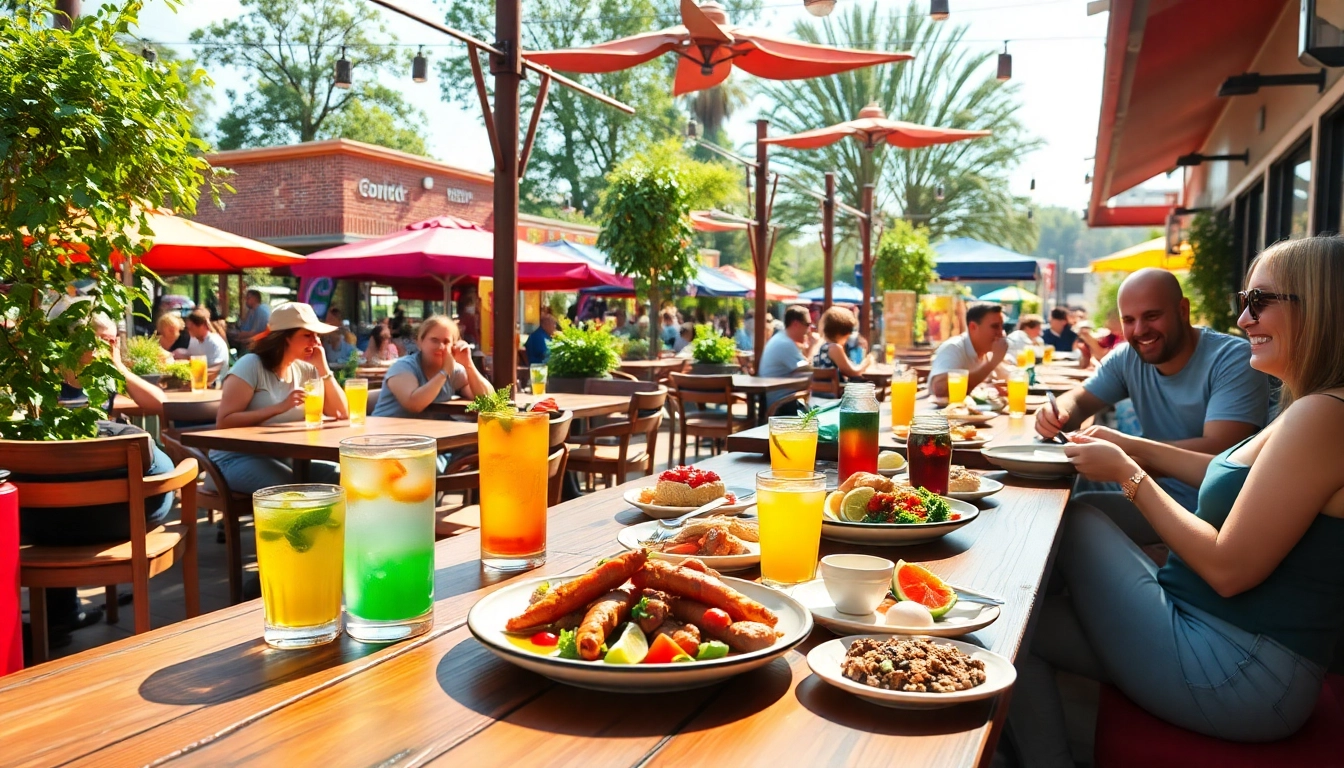
Food and wine pairing can elevate the flavors of both the meal and the wine, creating a delightful dining experience. Clarksburg is home to many local ingredients that pair beautifully with its wines:
- Fresh Produce: Local vegetables and fruits, such as heirloom tomatoes and peaches, work wonderfully with the acidity found in Clarksburg’s white wines.
- Artisanal Cheeses: The region's cheesemakers produce a variety of cheeses that can enhance the flavors of both red and white wines.
- Local Meats: Grilled or smoked meats from local producers can pair splendidly with Clarksburg reds, particularly Zinfandel and Cabernet Sauvignon.
Creating the Perfect Wine and Food Pairings
To achieve the best food and wine pairings, consider these essential guidelines:
- Match Intensity: Pair lighter meals with lighter wines, and richer dishes with fuller-bodied wines for balance.
- Complementary Flavors: Look for food and wine that share similar flavor notes. For instance, a fruity Sauvignon Blanc can complement a dish featuring citrus.
- Contrast Elements: Sometimes offering contrasting flavors, such as pairing a sweet wine with a savory dish, can create a delightful experience.
Seasonal Food Pairing Ideas
Crafting seasonal pairings can maximize the flavors of both food and wine, taking advantage of what’s fresh and in season:
- Spring: Asparagus with Chenin Blanc or a light salad with a citrus vinaigrette paired with a refreshing Sauvignon Blanc.
- Summer: Grilled vegetables alongside a chilled Rosé or seafood paired with a crisp Pinot Grigio is ideal for the warmer months.
- Autumn: Roasted squash with Zinfandel or hearty stews with Cabernet Sauvignon can bring out the best flavors of fall.
- Winter: Rich meats and earthy root vegetables can be beautifully paired with bold reds or full-bodied whites, perfect for cozy gatherings.
Future of Wineries in Clarksburg
Upcoming Trends in Clarksburg Wine Production
The landscape of wine production is ever-evolving, and Clarksburg is at the forefront of several exciting trends. More winemakers are exploring:
- Natural Wines: An increase in organic and biodynamic farming is influencing winemaking practices, resulting in wines that reflect the purity of the grapes.
- Experimental Varietals: Winemakers are branching out with lesser-known varietals that perform well in Clarksburg’s unique climate, providing exciting new flavors.
- Technology Integration: Adoption of new technologies in fermentation and vineyard management enhances quality while maintaining sustainable practices.
Enotourism and Its Impact on the Local Economy
Enotourism, or wine tourism, is becoming increasingly significant for Clarksburg, contributing to economic growth by attracting visitors eager to experience the local wine culture. The increase in foot traffic spurs local business growth, including restaurants and shops, and helps build community engagement:
- Job Creation: With more tourists, there are opportunities for employment within the wineries, hospitality, and related industries.
- Community Events: Wineries regularly host events that encourage visitors to engage with the local culture and community.
- Collaborative Marketing: Wineries can collaborate with local businesses to create packages that appeal to tourists, further driving economic activity.
Visions for Sustainable Wine Practices
The future of winemaking in Clarksburg is also focused on sustainability. Many wineries are adapting practices to ensure environmental stewardship, including:
- Water Conservation: Implementing efficient irrigation techniques and collecting rainwater for use in vineyard maintenance.
- Energy Efficiency: Employing solar panels and energy-efficient machinery to reduce their carbon footprint during the winemaking process.
- Soil Health: Utilizing cover crops and composting to enhance soil fertility and promote biodiversity within the vineyard ecosystems.