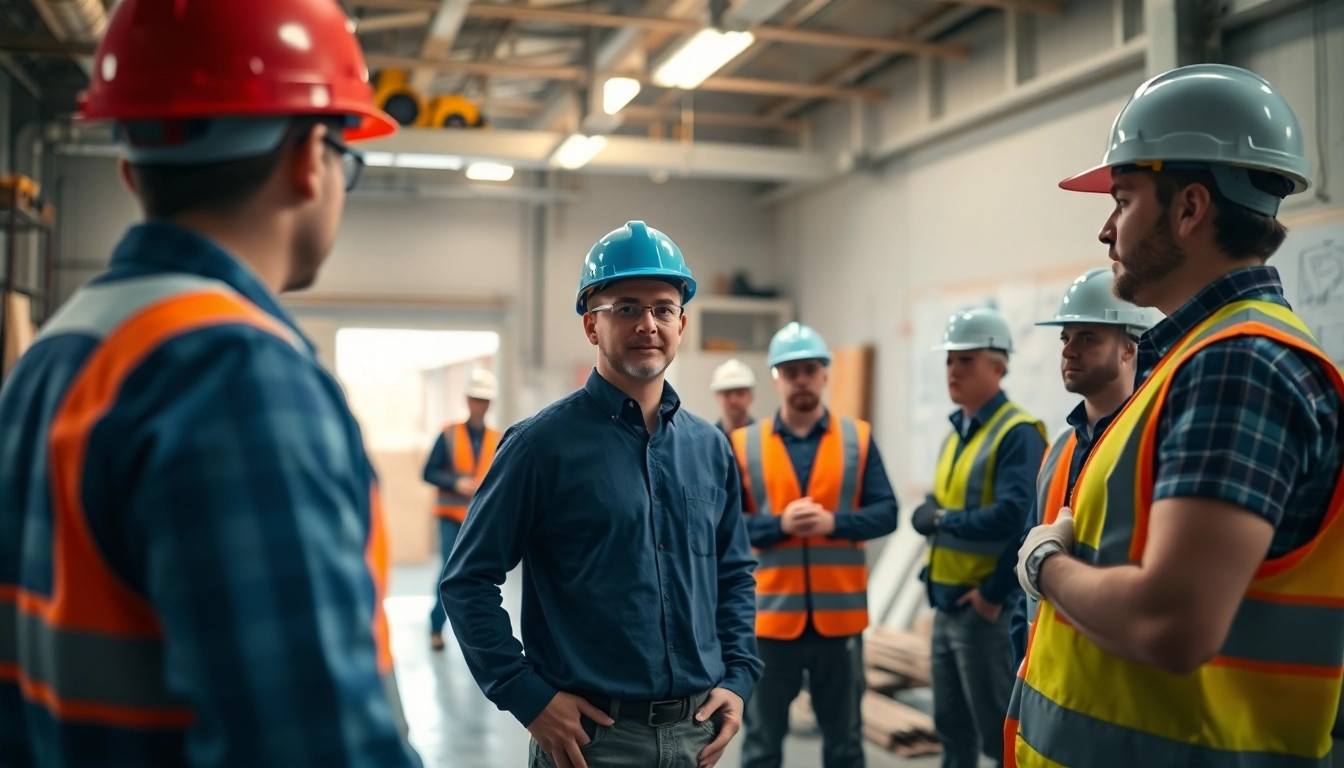
Understanding the Importance of Construction Safety Training in Colorado
Ensuring safety on construction sites is paramount in Colorado, where the industry faces unique challenges. With regulations evolving and hazards lurking, prioritizing construction safety training Colorado is essential for every business. This comprehensive approach not only safeguards workers but also bolsters a company's reputation and bottom line.
Overview of Construction Hazards in Colorado
Construction workers in Colorado often confront varied hazards that are both physical and environmental. Key risks include:
- Falls: Falls from heights are one of the leading causes of fatalities in construction. According to OSHA, over 30% of construction worker deaths result from falls.
- Struck-by Incidents: Workers may be struck by falling objects or equipment, creating serious injury risks.
- Caught-In or -Between Hazards: Workers may become caught in machinery or between heavy equipment, posing significant risks.
- Electrical Hazards: High voltage lines and construction tools pose serious electrical dangers, making training crucial.
- Environmental Factors: Weather conditions in Colorado can be unpredictable, exposing workers to dangers from wind, snow, or extreme temperatures.
Legal Requirements and Compliance Standards
The Occupational Safety and Health Administration (OSHA) sets stringent guidelines that construction companies must adhere to. In Colorado, complying with state-specific regulations, such as the Colorado Department of Public Health and Environment (CDPHE) and the Colorado Division of Oil and Public Safety, is necessary. Regular audits and inspections ensure compliance, and lacking adherence can result in heavy penalties. Understanding these regulations lays the foundation for effective safety training programs in the state.
Benefits of Investing in Safety Training
The advantages of investing in safety training programs in Colorado extend beyond compliance. Some key benefits include:
- Reduction in Accidents: Proper training equips workers with the knowledge to recognize and mitigate hazards, drastically reducing workplace incidents.
- Enhanced Workforce Morale: A workforce that feels safe is a productive one. Safety training fosters an environment of trust and respect.
- Cost Savings: Companies can save on insurance costs and avoid expensive lawsuit settlements due to workplace injuries.
- Improved Reputation: Businesses known for strict safety measures attract top talent and clients looking for reputable contractors.
Key Components of Construction Safety Training Programs
Types of Training Courses Available
In Colorado, various types of construction safety training courses are available, from basic to advanced levels. Common offerings include:
- OSHA 10-Hour and 30-Hour Courses: These foundational courses cover essential safety practices, focusing on general industry standards.
- First Aid and CPR Training: Important for all workers, these courses equip individuals to respond effectively in emergencies.
- Forklift and Heavy Equipment Training: Given the prevalence of machinery on job sites, training for safe operation is vital.
- Hazard Communication Training: Essential for understanding material safety data sheets (MSDS) and chemical hazards.
- Fall Protection Training: This specialized training addresses specific fall hazards and safety measures to mitigate risks.
Training for Remote and On-Site Employees
With the rise of remote work models, adapting safety training for both remote and on-site personnel is crucial. Virtual training modules have become popular, offering flexibility while providing comprehensive safety protocols. On-site training continues to be essential for hands-on skills and real-life scenario practice, ensuring that all employees receive well-rounded safety education.
Customization of Training Programs for Industry Needs
No two construction sites are the same, which necessitates tailored training programs. Providers should analyze the specific hazards of each site and customize training to address these risks. For instance, a contractor specializing in high-rise construction will need different courses focusing on fall protection than a team working in a mining environment. Engaging with experts to develop customized training materials fosters a culture of safety that resonates with the workforce.
Choosing the Right Training Provider for Construction Safety
Evaluating Certifications and Credentials
Choosing a credible training provider is crucial. Look for certifications from recognized bodies such as OSHA, the National Safety Council, or accredited local institutions. Providers should have experienced instructors with practical industry experience to ensure relevant, high-quality training.
Comparing Cost and Curriculum Offerings
While price shouldn't be the sole focus, it is vital to compare what is included in the training packages. Cheaper options may not provide comprehensive coverage necessary for robust safety training. Evaluating the curriculum and its alignment with OSHA standards ensures that all necessary topics are covered effectively.
Importance of Training Duration and Format
Consider the duration and format of training programs, as longer or more intensive courses can provide deeper insights, while shorter courses might limit knowledge retention. Flexibility in formats—whether in-person or online—is also essential for accommodating varying schedules and learning preferences.
Implementing Best Practices in Construction Safety Training
Integrating Safety Protocols into Daily Operations
Embedding safety measures into everyday practices is crucial for fostering a culture of safety. This can be achieved through pre-shift safety briefings, ensuring all staff are aware of current site-specific hazards and mitigation strategies. Regularly revisiting safety protocols reinforces their importance, helping establish them as a core component of workplace operations.
Encouraging Employee Engagement and Feedback
Employee engagement is a vital aspect of effective safety training. Encourage team members to voice their safety concerns and suggestions for improvements. Implementing a feedback loop can help identify areas for additional training and ensure that all employees feel valued in the safety process.
Utilizing Technology and E-Learning for Training
Technology can enhance construction safety training significantly. E-learning platforms offer flexibility and access to a wealth of resources. Incorporating simulation software allows workers to experience potential hazards in a safe environment, improving preparedness and response skills in real-life situations.
Measuring the Effectiveness of Construction Safety Training
Key Performance Indicators (KPIs) to Monitor
Monitoring the effectiveness of training programs is essential for continuous improvement. Key performance indicators (KPIs) may include:
- Reduction in Incident Rates: A decrease in workplace injuries can indicate successful training implementation.
- Employee Feedback Scores: Regular surveys can assess employee confidence in safety protocol adherence.
- Compliance Audit Results: Successful meeting of regulatory standards demonstrates effective training content.
Gathering Feedback for Continuous Improvement
Establishing a safety feedback culture ensures that the training programs evolve alongside the team. Feedback can be collected through surveys, one-on-one conversations, or safety committees. Regularly adjusting the training content based on employee needs and site conditions helps maintain relevance and effectiveness.
Case Studies of Successful Safety Training Outcomes
Examining successful case studies can offer inspiration and actionable insights. For instance, a Colorado-based construction firm implemented a comprehensive safety training overhaul that involved routine safety audits, enhanced communication strategies, and ongoing training sessions. Over two years, they reduced their incident rate by over 40%, demonstrating the concrete benefits that effective training and safety strategies can yield.