Understanding Sustainable Living
Sustainable living is a holistic approach to life that aims to reduce an individual's or society's use of the Earth's natural resources. The core idea is to make conscious choices that are environmentally friendly, socially responsible, and economically viable. This growing movement seeks to harmonize human activities with the planet's ecosystems, ensuring a viable future for generations to come. To keep up with the latest insights on sustainability, equality, and climate issues, you can explore resources like https://www.unsustainablemagazine.com, which provides extensive articles and discussions on these critical topics.
What is Sustainable Living?
Sustainable living means adopting lifestyle choices that minimize the consumption of earth's natural resources. It incorporates practices that aim to reduce ecological footprints by utilizing renewable resources, reducing waste, and promoting social equity. Individuals engaging in sustainable living often focus on how their daily habits—such as transportation methods, food choices, and energy use—impact the planet.
The Principles of Sustainability
The principles of sustainability encompass three key pillars: environmental stewardship, social equity, and economic viability. Each pillar plays a critical role in guiding decisions and actions:
- Environmental Stewardship: This involves conserving natural resources, protecting ecosystems, and mitigating climate change effects through practices such as recycling, reducing emissions, and using sustainable materials.
- Social Equity: Sustainable living promotes fair access to resources and decision-making processes, ensuring that all communities have the opportunities to thrive without compromising the ability of future generations to meet their needs.
- Economic Viability: Sustainable practices often focus on creating economic systems that are sustainable in the long term, ensuring that they do not exploit communities or deplete natural resources beyond repair.
Benefits of Adopting a Sustainable Lifestyle
Transitioning to a sustainable lifestyle carries numerous benefits, both personal and societal. Some of the most significant advantages include:
- Cost Savings: Sustainable practices often lead to lower utility bills, reduced waste management costs, and savings on food and products by embracing minimalism and efficient consumption.
- Health Benefits: Sustainable living encourages healthier eating habits—such as consuming organic, local produce—which not only supports the planet but also improves personal well-being.
- Community Enhancement: Engaging in sustainable practices fosters a sense of community, encouraging people to work together towards shared goals, such as local gardening initiatives or waste reduction programs.
- Environmental Impact: By adopting a sustainable lifestyle, individuals can significantly reduce their ecological footprint, contributing positively to the planet's health.
Key Practices for Sustainable Living
Reducing Waste: What You Can Do
A commitment to reducing waste is fundamental to sustainable living. Here are various strategies individuals and communities can adopt:
- Reduce Single-Use Plastics: Opt for reusable bags, bottles, and containers. This simple change can lead to significant reductions in plastic waste.
- Composting: Composting kitchen scraps and yard waste not only lowers landfill waste but also creates nutrient-rich soil for gardening.
- Mindful Purchasing: Consider the lifecycle of products before buying. Choose items that are durable, repairable, and made from sustainable materials.
Energy Efficiency in Daily Life
Energy efficiency plays a crucial role in sustainable practices. Here are steps individuals can take:
- Use Energy-Efficient Appliances: Investing in energy-efficient devices can significantly reduce electricity consumption.
- Smart Home Technology: Utilizing smart programmable thermostats and energy monitors can help manage energy use more effectively.
- Switch to Renewable Energy: If possible, choose green energy providers or consider installing solar panels to power your home sustainably.
Choosing Sustainable Products
Selecting sustainable products is vital for promoting environmental responsibility. Important factors to consider include:
- Certification Labels: Look for certifications such as Energy Star, Fair Trade, or USDA Organic when shopping to ensure products meet specified sustainability standards.
- Support Local: Purchasing locally sourced products reduces transportation emissions and supports local economies.
- Emphasis on Quality: Instead of fast fashion, invest in quality clothing that lasts longer, reducing waste and consumption over time.
Community Engagement in Sustainability
Communities play an essential role in fostering sustainable practices. Active engagement leads to more effective initiatives and programs:
Building Eco-Friendly Communities
Creating eco-friendly communities involves collective effort and collaboration. Strategies include:
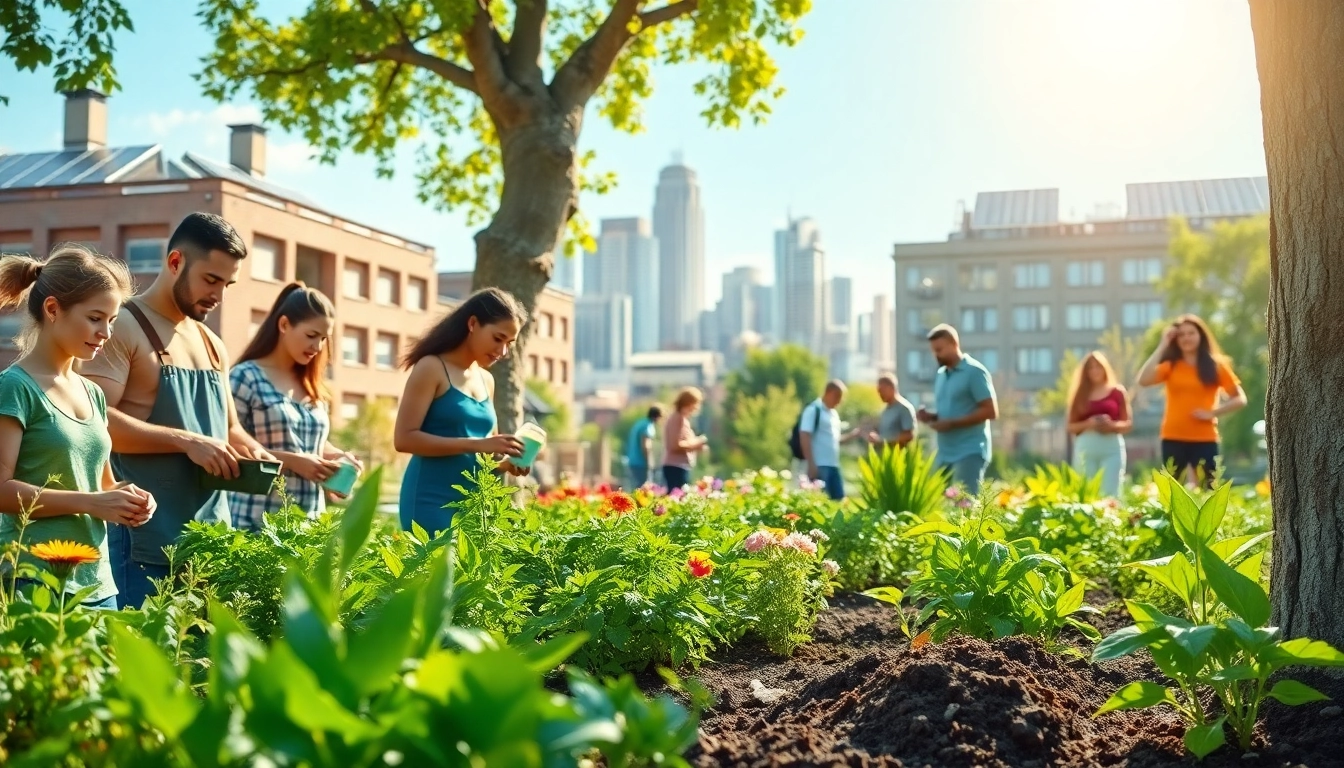
- Community Gardens: Establishing community gardens enhances local food systems, promotes biodiversity, and strengthens social ties.
- Green Infrastructure: Implementing green roofs, permeable pavements, and rain gardens can significantly enhance urban landscapes and reduce environmental impact.
- Public Transport and Bicycle Programs: Encouraging the use of public transport and cycling reduces traffic congestion and lowers emissions.
Role of Local Initiatives
Local initiatives play a crucial role in promoting sustainability. Key aspects include:
- Awareness Campaigns: Organizing campaigns to raise awareness about sustainable practices can engage community members and inspire action.
- Partnerships with Local Businesses: Collaborating with businesses to adopt sustainable practices can lead to collective improvements in local sustainability efforts.
- Sustainability Workshops: Offering workshops that provide skills training in sustainable practices empowers individuals to make more informed decisions.
Advocacy and Education
Education and advocacy are vital components of driving commitment to sustainability. Possible actions include:
- School Programs: Integrating sustainability into educational curricula prepares future generations for responsible citizenship.
- Public Forums: Hosting discussions on sustainability issues can engage more community members and fuel advocacy efforts.
- Utilizing Digital Platforms: Making use of social media and online forums to share knowledge can lead to a ripple effect, encouraging more individuals to participate in sustainable initiatives.
The Future of Sustainability
Looking forward, the future of sustainability hinges on innovation and ongoing efforts to address climate change and resource depletion:
Innovations in Renewable Energy
Renewable energy continues to evolve rapidly. Notable advancements include:
- Solar Energy Technologies: Innovations in solar panel efficiency and energy storage are reshaping the energy landscape, making solar power more accessible.
- Wind Energy Expansion: Offshore and onshore wind farm technologies are improving efficiency and reducing costs, contributing significantly to renewable energy capacity.
- Hydrogen Power: Developing hydrogen as a clean energy carrier offers potential for reductions in emissions across various sectors.
Impact of Climate Change
The ongoing impact of climate change underscores the urgency for sustainable practices. Observations include:
- Weather Patterns: Increased frequency of extreme weather events requires more resilient infrastructure and disaster preparedness.
- Food Security: Climate change threatens food production, necessitating research into sustainable agricultural practices.
- Global Awareness: Growing awareness of climate issues serves as a catalyst for collective movement towards sustainable solutions.
Long-Term Goals for a Sustainable Planet
Long-term goals for sustainability involve global cooperation and firm commitments. Critical goals include:
- Carbon Neutrality: Many countries are striving to achieve carbon neutrality by setting ambitious emission reduction targets and transitioning to renewables.
- Waste Reduction Targets: Aiming for zero waste commitments at local and global scales to reduce landfill issues and promote recycling and repurposing.
- Equitable Resource Distribution: Addressing inequalities in resource access globally to ensure all communities can achieve sustainable growth.
Resources and Further Reading on https://www.unsustainablemagazine.com
Books and Documentaries
There are numerous books and documentaries that delve into sustainable living topics. Some noteworthy ones include:
- "The Omnivore's Dilemma" by Michael Pollan: This book explores the complexities of food choices and the impact on sustainability.
- "Before the Flood": A documentary featuring Leonardo DiCaprio that focuses on climate change and its effects.
- "The True Cost": This film examines the fashion industry’s impact on people and the planet.
Online Courses and Workshops
Various online platforms offer courses and workshops on sustainable practices, including:
- Coursera: Offers many courses related to sustainability from leading universities and institutions.
- edX: Provides access to courses focusing on sustainable urban development and renewable energy.
- Local Workshops: Community centers and local organizations often host workshops on gardening, waste reduction, and sustainable living techniques.
Connecting with Sustainability Networks
Joining networks that focus on sustainability can help individuals and organizations stay informed and engaged. Some options include:
- Local Environmental Groups: These organizations often organize gatherings, clean-up events, and advocacy efforts.
- Online Forums: Digital platforms such as Reddit and Facebook groups dedicated to sustainability can provide resources and camaraderie.
- Professional Associations: Joining associations related to environmental science, public policy, and sustainable business can create networking and professional opportunities.