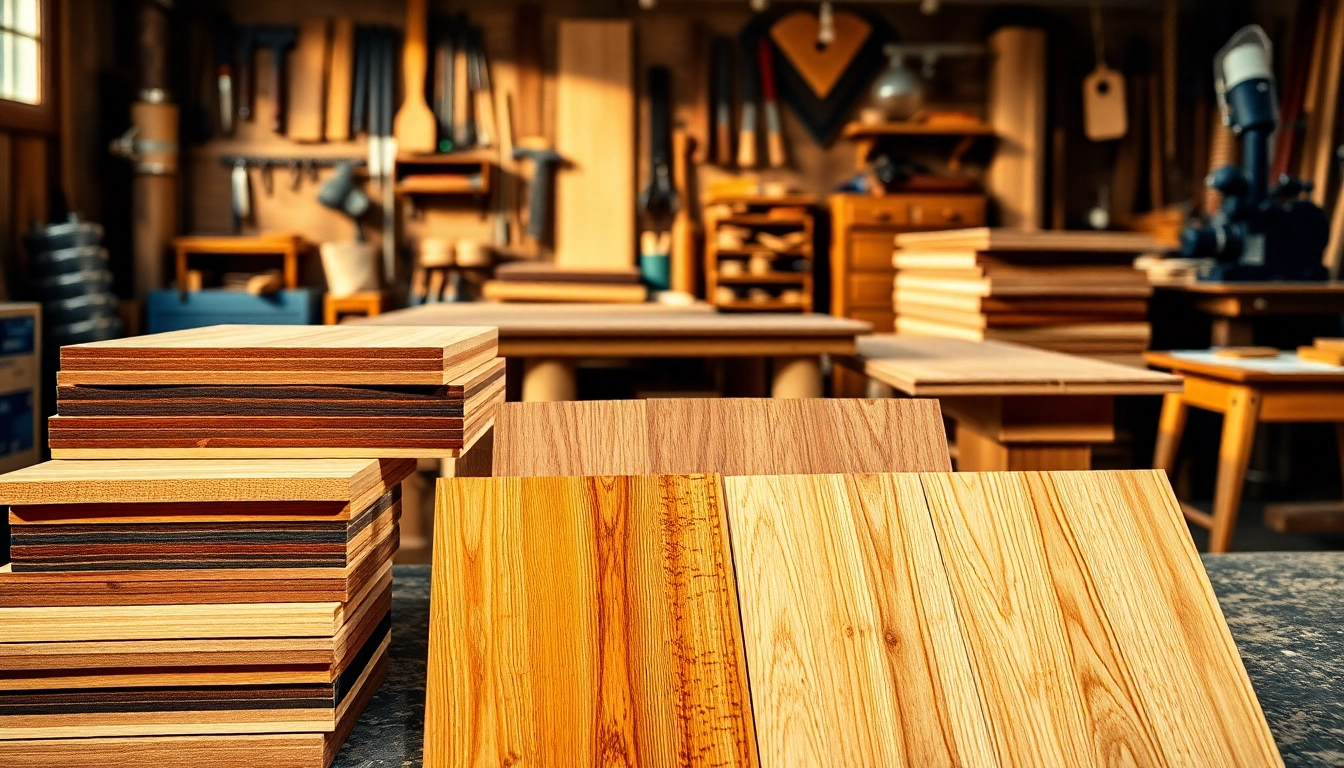
Understanding Hardwood Veneer Sheets
What are Hardwood Veneer Sheets?
Hardwood veneer sheets are thin slices of wood, typically less than 3mm thick, cut from a log or tree and designed to be used on various surfaces. These slices retain the appearance and texture of the wood from which they were cut, allowing for a beautiful finish without the cost and weight of solid hardwood. They are widely used in furniture making, cabinetry, and architectural designs, offering an elegant solution for achieving the look of solid wood while utilizing a resource-efficient approach. The ability to source these hardwood veneer sheets from a variety of species further enhances their appeal.
Types of Hardwood Veneer Sheets
There are various types of hardwood veneer sheets available, which can be categorized based on the species of wood, the cut method, and the backing material used. Common types include:
- Natural Veneer: These are made from real wood, showcasing the unique grain patterns and colors of each species.
- Reconstituted Veneer: Made from composite materials designed to mimic natural wood grains, offering consistency in appearance and sustainability.
- Backed Veneer: These have a backing material, such as paper or fabric, which adds strength and stability, making them easier to handle.
- Flex Veneer: Thin and flexible, allowing for application on curved surfaces, ideal for complex shapes in furniture design.
Common Uses for Hardwood Veneer Sheets
Hardwood veneer sheets are used in a variety of applications, leveraging their aesthetic and functional benefits. Some common uses include:
- Furniture Making: Ideal for tabletops, cabinets, and chairs to provide a luxurious finish without the weight of solid wood.
- Cabinetry: Veneer sheets are commonly used in kitchen and bathroom cabinets, providing a beautiful, high-end look.
- Architectural Applications: Used in wall panels, doors, and ceilings, adding elegance to commercial and residential spaces.
- Musical Instruments: Employed in crafting pianos and guitars, where aesthetic appeal is crucial.
Benefits of Using Hardwood Veneer Sheets
Cost-Effectiveness and Sustainability
One of the primary advantages of hardwood veneer sheets is cost-effectiveness. They allow artisans and builders to achieve the look of solid wood at a fraction of the price, as a single log can yield multiple sheets of veneer. This resourceful approach promotes sustainability by reducing the amount of hardwood required and supporting responsible forestry practices. Furthermore, using veneers can often help reduce waste, as they utilize thinner cuts of wood that might otherwise be discarded.
Aesthetics and Versatility
With numerous wood species to choose from, hardwood veneer sheets provide exceptional aesthetic versatility, making it easy to match a specific design style or color scheme. The visual appeal of natural wood grain and texture adds warmth and character to any project. Additionally, they can be painted, stained, or left in their natural state, allowing for further customization. This versatility makes them suitable for a wide range of design and architectural applications.
Lightweight and Easy to Work With
Compared to solid wood, hardwood veneer sheets are lightweight, making them much easier to handle during installation. This characteristic can significantly speed up the construction process, particularly for large-scale projects or complex applications. Being thin also allows them to be applied over various substrates, providing flexibility in design choices while maintaining a low-profile finish.
How to Choose the Right Hardwood Veneer Sheets
Factors to Consider When Selecting
Selecting the appropriate hardwood veneer sheets for a project involves considering several factors:
- Wood Species: Different species have unique grain patterns, colors, and characteristics. Select one that aligns with your design vision.
- Thickness: Thicker veneers may be more durable but can be less flexible, while thinner veneers are easier to work with on curved surfaces.
- Backing Material: Choose backed veneers for added stability or unbacked for greater versatility in applications.
- Cost: Evaluate the budget while considering the beauty and longevity provided by higher-quality options.
Matching Veneers to Projects
Matching the right hardwood veneer sheets to specific projects is vital for achieving the desired aesthetic. Consider the surrounding materials and finishes, ensuring that the selected veneer complements other elements in the space. For instance, if designing a minimalist interior, lighter wood species may work better, whereas darker woods can add depth and warmth to traditional settings.
Quality Indicators for Hardwood Veneer Sheets
To ensure that you are investing in quality hardwood veneer sheets, look for certain indicators. High-quality veneers will have consistent grain patterns, minimal defects, and uniform thickness throughout the sheet. Additionally, reputable suppliers should provide transparency regarding their sourcing methods, ensuring sustainable practices. Certifications from organizations focused on responsible forestry can also provide peace of mind regarding quality and sustainability.
Techniques for Working with Hardwood Veneer Sheets
Preparation and Cutting Tips
Preparing hardwood veneer sheets for application is critical to achieving a flawless finish. Begin by ensuring the surface to which the veneer will be adhered is clean and dry. When cutting veneers, use a sharp knife or veneer saw to prevent tearing. Make measurements carefully, allowing for extra material to account for any imperfections during installation. It may also be beneficial to use a straight edge or cutting guide to ensure clean, even edges.
Applying Adhesive and Mounting
Proper adhesive application is essential for ensuring a secure bond between the veneer and substrate. Contact cement is a popular choice for its strong bonding properties, while PVA glue can be used for a more forgiving approach. Apply the adhesive evenly across both surfaces, ensuring full coverage. After the adhesive has set, lay the veneer on the substrate carefully, using a roller to eliminate air pockets and ensure adhesion.
Finishing Techniques for Hardwood Veneer Sheets
The finishing phase is where the true beauty of hardwood veneer sheets shines. Depending on the desired outcome, options include staining to enhance grain visibility, sealing with a protective finish to preserve the wood, or painting for a completely different aesthetic. For natural finishes, oil-based or water-based sealants can provide a beautiful sheen while protecting the veneer from moisture and damage. Always test finishes on a less visible area to confirm the desired effect before applying it completely.
Frequently Asked Questions about Hardwood Veneer Sheets
How do I maintain my hardwood veneer sheets?
To maintain hardwood veneer sheets, clean them routinely with a soft, damp cloth. Avoid harsh chemicals or scrubbing pads, as they can damage the finish. Regularly apply a protective sealant to prevent moisture damage and wear.
Can hardwood veneer sheets be painted or stained?
Yes, hardwood veneer sheets can be painted or stained. Choose suitable products for your veneer type, and always perform a test application on a small, inconspicuous area to ensure desired results.
What thickness are hardwood veneer sheets available in?
Hardwood veneer sheets commonly range from 0.5mm to 3mm in thickness. The choice will depend on the intended use, with thicker sheets providing more durability.
Are hardwood veneer sheets suitable for outdoor use?
Generally, hardwood veneer sheets are not recommended for outdoor use due to their susceptibility to weather damage. However, if properly treated with weather-resistant finishes, they may be suitable for some outdoor applications.
Where can I buy high-quality hardwood veneer sheets?
High-quality hardwood veneer sheets can be purchased through specialized wood suppliers, lumber yards, and online retailers. Ensure to research suppliers' reviews and practices to guarantee quality products.