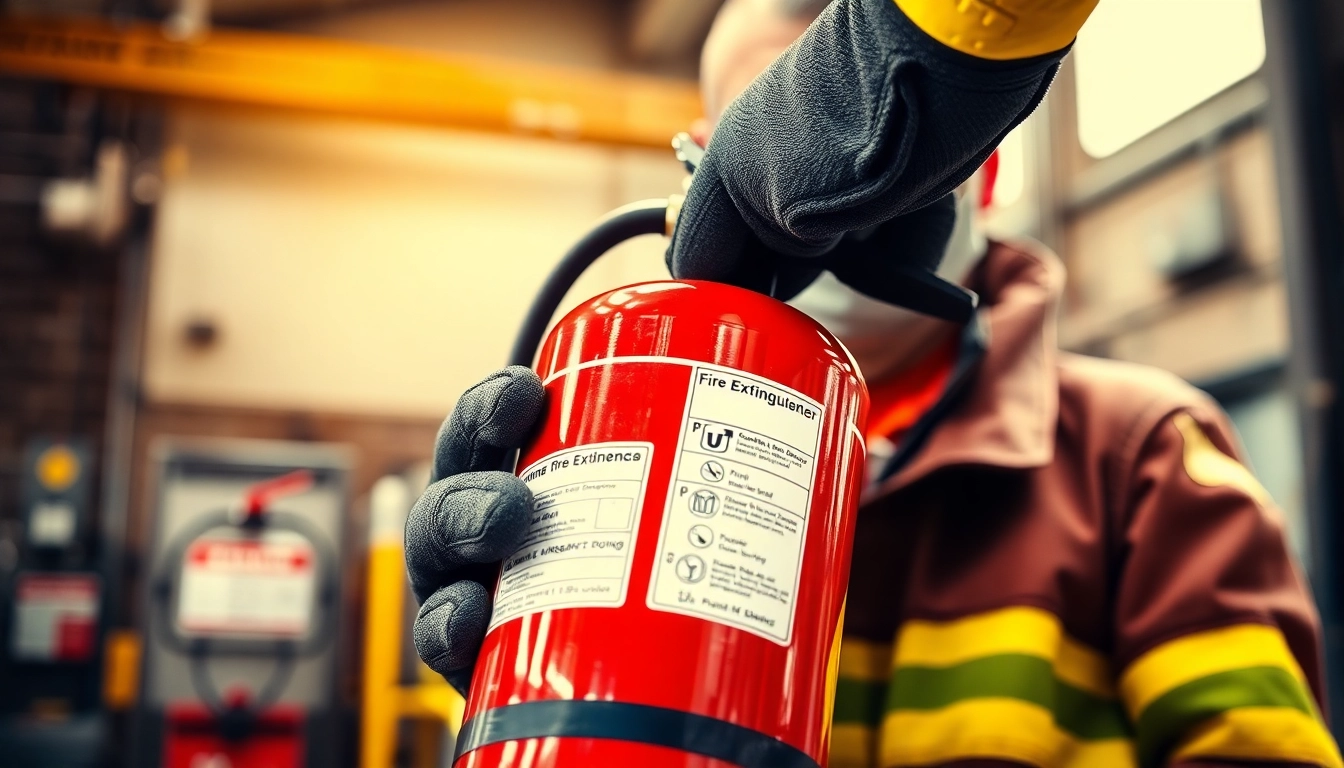
Understanding Pass Fire Extinguishers
Fire safety is a critical aspect of maintaining safe environments, whether at home, in the workplace, or within public spaces. Among the essential tools for combating fires are fire extinguishers, and specifically, pass fire extinguishers play a vital role in ensuring quick responses to potential fire outbreaks. In this section, we will delve into the importance of fire safety, what constitutes a 'pass fire extinguisher,' and the common types available.
The Importance of Fire Safety
Fire incidents can lead to devastating consequences, including loss of life, injury, and property damage. According to the National Fire Protection Association (NFPA), fire departments respond to an average of over 350,000 residential fires each year in the U.S. alone. Establishing robust fire safety protocols is essential for mitigating these risks. Regular fire drills, clear exit routes, and a well-maintained inventory of fire extinguishing equipment can significantly reduce the impact of fire emergencies.
What Makes a Fire Extinguisher 'Pass'
A 'pass' fire extinguisher refers to a specific classification that denotes the extinguisher conforms to certain safety standards and has passed testing to ensure reliability during use. The PASS acronym stands for:
- Pull the pin: This action unlocks the extinguisher, allowing it to be operated.
- Aim low: Target the base of the fire to effectively extinguish it.
- Squeeze the handle: This releases the fire-fighting agent.
- Sweep the nozzle: Move the nozzle from side to side at the base of the fire until it is completely out.
This operational technique is vital for ensuring effective and safe usage of fire extinguishers.
Common Types of Fire Extinguishers
Fire extinguishers are categorized based on their fire suppression capability. The most common types include:
- Water (APW) Extinguishers: Effective against Class A fires involving ordinary combustibles like wood or paper.
- Foam Extinguishers: Suitable for Class A and B fires, involving flammable liquids.
- Dry Powder Extinguishers: Versatile extinguishers for Classes A, B, and C, making them suitable for flammable gases.
- CO2 Extinguishers: Best for Class B and C, primarily used for electrical fires.
- Wet Chemical Extinguishers: Specifically designed for cooking oils and fats, making them ideal for kitchens.
Understanding the type of fire extinguisher relevant to specific hazards is crucial for promoting safety and preparedness.
How to Properly Use a Pass Fire Extinguisher
Knowing how to effectively use a fire extinguisher is vital in potentially life-threatening situations. Following the PASS method ensures that users are prepared to respond adequately. Let's explore detailed instructions, how to identify different fire classes, and best practices for responding to a fire emergency.
Step-by-Step Operating Instructions
Using a pass fire extinguisher involves a systematic approach. Here’s how to apply the PASS method:
- Pull the Pin: This is located at the top of the extinguisher. Pulling it will break the seal and prepare the extinguisher for use.
- Aim Low: Ensure that your aim is directed at the base of the flames. Aiming at the fire’s top is less effective.
- Squeeze the Handle: This action releases the extinguishing agent. Stand a safe distance from the fire and begin squeezing when ready.
- Sweep from Side to Side: Move the nozzle to the side while aiming at the fire’s base. Be prepared to move closer as needed to ensure comprehensive coverage.
After using the extinguisher, stay vigilant and monitor the fire’s status, ensuring it does not reignite.
Identifying Different Fire Classes
Different fires require different suppression methods. The classification of fires is essential for selecting the appropriate extinguisher:
- Class A: Involves ordinary combustibles like wood, cloth, paper, and some plastics.
- Class B: Involves flammable liquids, such as gasoline, oil, paint, and solvents.
- Class C: Involves energized electrical equipment, where the extinguisher must not conduct electricity.
- Class D: Composed of combustible metals, often handled in specialized industrial environments.
- Class K: Relates to flammable cooking oils and fats, typically used in commercial kitchens.
Using the wrong class of fire extinguisher can exacerbate the situation, so it's crucial to be able to identify the type of fire before acting.
Best Practices for Effective Fire Response
Adopting best practices for fire response can increase safety and effectiveness in an emergency:
- Always ensure everyone knows where fire extinguishers are located and how to use them.
- If the fire is too large or out of control, evacuate immediately and call emergency services.
- Practice regular fire drills to familiarize all personnel with evacuation routes and extinguisher use.
- Avoid using water on grease or electrical fires, as this can worsen the situation.
Preparedness can make the significant difference between a small, manageable incident and a catastrophic event.
Maintaining Your Pass Fire Extinguisher
Effective maintenance of fire extinguishers is key to ensuring they function correctly in an emergency. Regular inspections, maintenance tasks, and understanding when to replace your equipment are integral components of safe fire management.
Regular Inspection Schedule
Your fire extinguishers should undergo routine inspections. The National Fire Protection Association (NFPA) recommends the following inspection routine:
- Monthly Inspections: Check for physical damage, ensure pressure indicators are in the operational range, and verify accessibility.
- Annual Inspections: Require a professional assessment to ensure compliance with local fire codes and operational standards.
- Hydrostatic Testing: Conduct every 5 to 12 years (based on the extinguisher type) to ensure integrity under pressure.
Routine checks help mitigate risks and ensure readiness in emergencies.
Common Maintenance Tasks
Some key maintenance tasks to ensure your extinguishers remain operational include:
- Keeping the extinguisher clean and free of dust and debris.
- Ensuring the nozzle is free from obstructions and that the pin is securely in place.
- Checking the labels and instructions remain legible.
- Recharging extinguishers after each use, even if not completely spent.
These tasks help ensure your extinguishers are ready when needed and comply with safety regulations.
When to Replace Your Fire Extinguisher
Recognizing when to replace a fire extinguisher can save lives. Signs that indicate replacement include:
- Expired recharge intervals or hydrostatic testing.
- Visible damage or corrosion on the canister.
- Missing or damaged pull pin.
- Any extinguisher that has been used, even partially.
Adhering to replacement guidelines ensures your fire safety measures remain effective.
Compliance and Regulations for Fire Extinguishers
Understanding local regulations and compliance regarding fire extinguishers is crucial for businesses and homeowners alike. Documentation and training requirements are part of maintaining a safe environment and adhering to the law.
Understanding Local Fire Codes
Fire codes vary by locality but typically align with nationally recognized standards. Compliance with these codes often mandates the following:
- Proper placement and quantity of extinguishers based on square footage, occupancy type, and potential hazards.
- Clear signage indicating the location of extinguishers and emergency exits.
- Regular inspection records must be maintained and readily available for review by fire marshals.
Regular consultations with local fire authorities can assist in ensuring all safety measures are adequate and compliant.
Documentation and Certification Requirements
For businesses, keeping thorough documentation is vital:
- Records of maintenance and inspections should be kept for accountability.
- Training sessions must be documented to verify employee preparedness.
- Certification of training can be beneficial to maintain compliance and enhance safety credentials.
Such practices elevate safety standards and demonstrate a commitment to fire prevention and safety.
The Role of Fire Safety Training
Training plays a pivotal role in fire safety. Regular fire safety training for employees or family members ensures they are well-equipped to handle potential emergencies. Key components of a good training program include:
- Understanding different classes of fire and appropriate extinguishing methods.
- Hands-on training using fire extinguishers to familiarize users with handling equipment.
- Regular refreshers to keep knowledge fresh and ensure preparedness.
Fire safety training empowers individuals with the knowledge and confidence to respond effectively in emergencies.
Advanced Tips for Fire Prevention
Beyond familiarity with fire extinguishers and their use, implementing comprehensive fire prevention strategies enhances overall safety. This section explores creating a fire safety plan, storage guidelines, and the importance of education.
Creating a Fire Safety Plan
A well-structured fire safety plan is vital for effective preparation. Key elements to include are:
- Clear evacuation routes and designated meeting points.
- Procedures for notifying emergency services.
- A system for regular drills to familiarize everyone with the plan.
The development of a customized safety plan that addresses specific hazards in your environment can mitigate risks significantly.
Safe Storage and Accessibility Guidelines
Proper storage of fire extinguishers ensures they are accessible in emergencies:
- Extinguishers should be placed in visible locations and easily accessible points where they are needed most.
- Ensure that they are mounted at the appropriate height to facilitate easy access.
- Avoid obstructions that could delay access during an emergency.
Regular checks of storage arrangements help to maintain accessibility and readiness.
Educating Employees and Family Members
Education is an ongoing process. Regular workshops and training sessions can instill a culture of safety. Effective educational tactics include:
- Inviting local fire department representatives to conduct specialized workshops.
- Providing resources such as manuals or access to online safety training materials.
- Encouraging questions and practice scenarios to build confidence in emergency response.
Awareness and preparedness minimize risks and could ultimately save lives.
In conclusion, understanding how to use, maintain, and comply with regulations regarding pass fire extinguishers is paramount in ensuring safety and preparedness in case of fire emergencies. By fostering a culture of fire safety through education and regular practice, we can create safer environments for everyone.