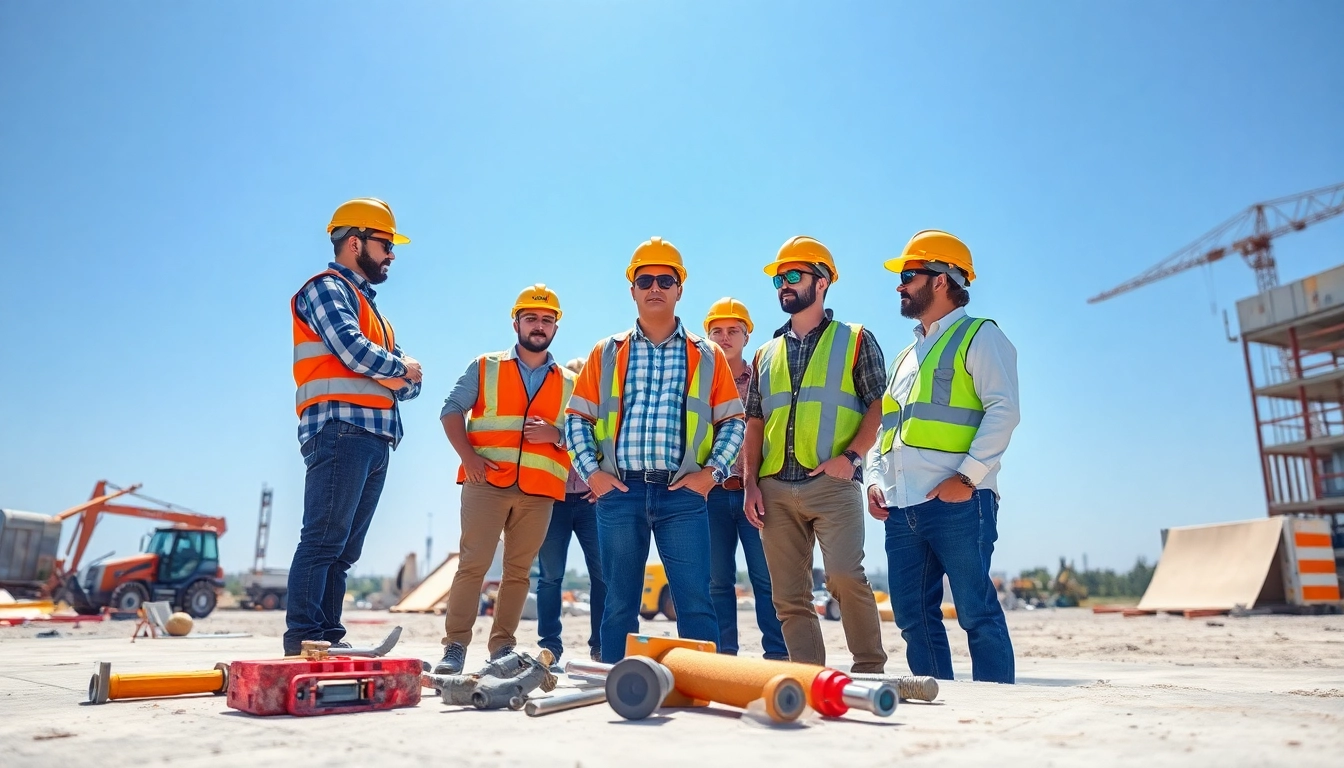
What is Construction Safety Training?
Understanding the Basics
Construction safety training is a critical program designed to educate workers on the potential hazards they may encounter on construction sites and the preventive measures necessary to mitigate those risks. This training encompasses a range of topics, from understanding personal protective equipment (PPE) to recognizing hazardous materials and implementing safe work practices. It aims to provide workers with the knowledge and skills required to perform their jobs safely, resulting in a safer working environment for everyone involved.
Importance of Construction Safety Training
The significance of construction safety training cannot be overstated. According to industry statistics, a substantial percentage of workplace accidents occur in the construction sector. Effective training programs significantly reduce the likelihood of injuries and fatalities. By investing in construction safety training, employers not only comply with regulations but also foster a culture of safety that can enhance productivity, improve staff morale, and reduce financial losses due to accidents. Moreover, safety training leads to decreased insurance costs and legal liabilities, further emphasizing its value.
Key Components of Effective Programs
Effective construction safety training programs should incorporate several key components to ensure comprehensive coverage of important topics. These include:
- Customized Curriculum: Tailor training content to specific projects and hazards.
- Engagement Techniques: Use interactive methods to keep participants engaged and enhance knowledge retention.
- Regular Updates: Continuously review and update training materials to reflect changing regulations and best practices.
- Instructor Qualifications: Trainers should have extensive industry experience and certifications to convey credible and relevant knowledge.
Regulatory Standards and Compliance
OSHA Guidelines for Construction Safety Training
The Occupational Safety and Health Administration (OSHA) sets forth regulations that govern safety training in the construction industry. These guidelines include requirements for employer-provided training on hazards specific to the construction site, proper use of equipment, and emergency preparedness. Complying with OSHA standards is essential for ensuring worker safety and avoiding legal repercussions.
State-Specific Regulations
While OSHA provides federal regulations, states may have additional rules that must be followed. These regulations can vary significantly, making it crucial for employers to familiarize themselves with local laws. This understanding allows companies to create training programs that satisfy both federal and state requirements, thus providing a well-rounded safety training framework.
Documentation and Recordkeeping
Proper documentation of safety training sessions is vital. Employers must maintain accurate records of training performed, including participant lists, dates, and topics covered. Not only does this documentation serve as proof of compliance during inspections, but it also enables organizations to track employee training progress and identify areas needing further attention.
Designing a Construction Safety Training Curriculum
Identifying Learning Objectives
A strong training curriculum begins with clear learning objectives. These objectives should define what participants are expected to learn and ultimately apply on the job. Common objectives may include understanding safety regulations, mastering hazard recognition techniques, and knowing how to correctly use PPE. Setting measurable goals helps trainers assess the effectiveness of the program and ensure that participants gain the necessary skills.
Incorporating Practical Exercises
Incorporating hands-on exercises into safety training can be an effective way to reinforce learning and improve retention. Practical exercises, such as simulations of real-life scenarios, allow participants to practice applying their knowledge in controlled environments, preparing them for actual situations they may face on-site.
Utilizing Technology in Training
Modern technology can be effectively utilized to enhance construction safety training programs. Tools such as online courses, mobile applications, and virtual reality simulations provide flexibility and enhance engagement. Utilizing such technology can accommodate different learning styles and ensure that training is accessible to all employees, regardless of their schedules or locations.
Trends and Innovations in Construction Safety Training
Virtual Reality Applications
Virtual reality (VR) is emerging as a powerful tool in construction safety training. By immersing participants in lifelike, interactive environments, VR can help individuals practice their safety skills in a risk-free setting. Scenarios can be tailored to specific job sites or situations, providing invaluable experience without exposing trainees to actual hazards.
Mobile Learning Solutions
With the rise of mobile technology, safety training is becoming more accessible. Mobile learning solutions allow employees to engage in training sessions on their own time, using smartphones or tablets. This flexibility accommodates the busy schedules of construction workers and facilitates continuous learning, as workers can access training materials anytime, anywhere.
Gamification for Engagement
Gamification is another innovative approach gaining traction in construction safety training. By introducing game-like elements, such as quizzes and rewards for completing training modules, employers can improve engagement and motivation. This technique encourages workers to participate actively, making the training process not only educational but also enjoyable.
Measuring the Effectiveness of Construction Safety Training
Assessment Techniques
To determine the success of construction safety training programs, it is essential to employ assessment techniques. These may include pre-and post-training evaluations, hands-on assessments, and quizzes. Such tools provide valuable feedback on participant comprehension and skills application, helping trainers identify areas for improvement.
Feedback Mechanisms
Establishing feedback mechanisms allows participants to share their experiences regarding the training program. Surveys and discussion groups can help trainers gauge effectiveness and discover any gaps in training content. Continuous feedback also empowers employees to contribute to enhancing safety practices on the job site.
Continuously Improving Training Programs
Construction safety training is not a one-time event but should be an ongoing process. Regularly revisiting training materials, incorporating participant feedback, and adapting to emerging regulations and technologies play a vital role in fostering a culture of safety and ensuring that programs remain effective. By continuously improving training programs, employers can enhance safety outcomes and protect their workforce.
FAQs About Construction Safety Training
What is the purpose of construction safety training?
The primary purpose of construction safety training is to educate workers on hazards and safe practices, ultimately reducing accidents and injuries on construction sites.
How often should construction safety training be conducted?
Construction safety training should be conducted regularly, typically at least annually, or whenever new equipment, procedures, or regulations are introduced.
Who is responsible for training workers in safety practices?
Employers are legally responsible for providing safety training to their workers to ensure a safe working environment and compliance with regulations.
Can technology improve construction safety training?
Yes, the use of technology, such as virtual reality and mobile learning solutions, can enhance engagement and facilitate more effective training outcomes.
What are some common topics covered in safety training?
Common topics include hazard recognition, personal protective equipment usage, emergency procedures, and fall protection measures tailored to specific jobs.