Understanding Steel Structure Design
1. What is Steel Structure Design?
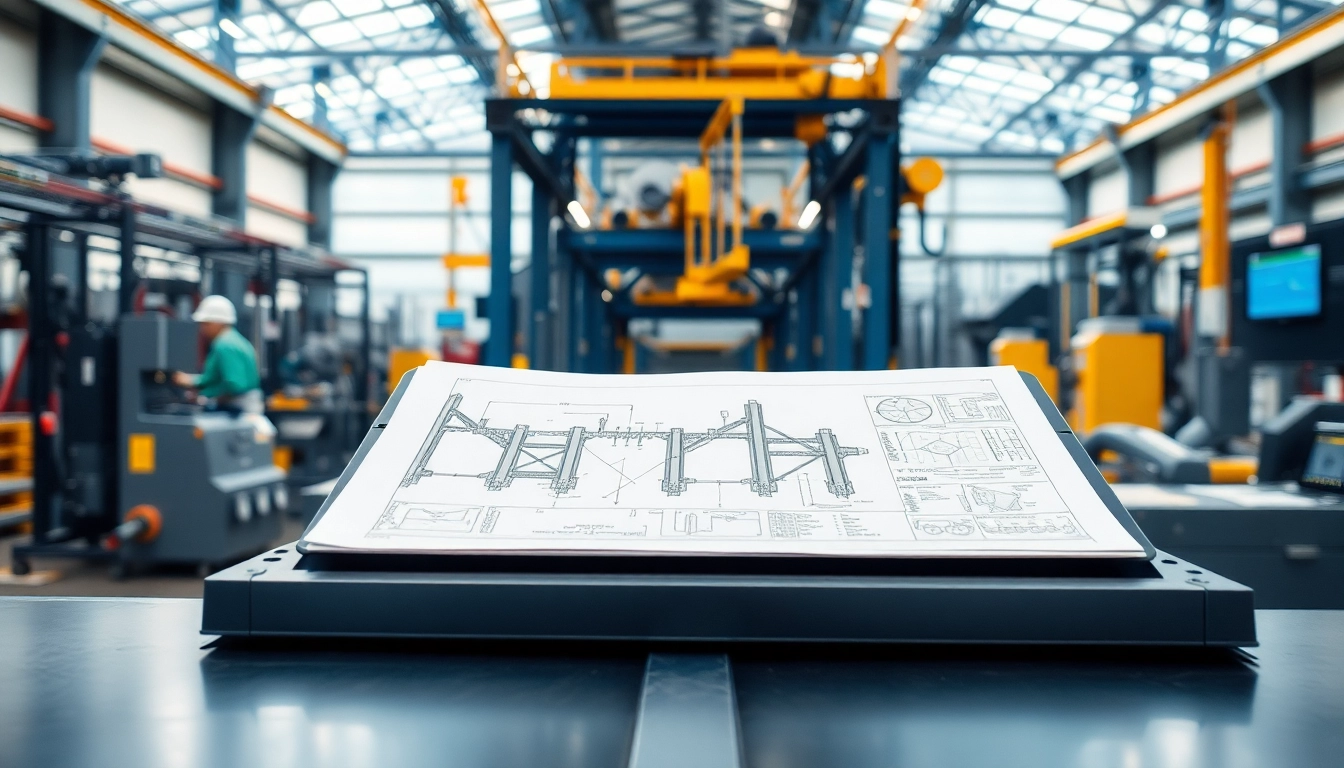
Steel structure design encompasses the creation and planning of various structural systems that utilize steel as the primary material for their components. Steel’s inherent properties, such as high strength-to-weight ratio, durability, and versatility, have made it a preferred choice for builders and architects around the world. In essence, steel structure design involves applying principles of engineering, architecture, and materials science to develop safe and efficient structures that meet intended uses and aesthetic values. A crucial part of this process is understanding the different types of steel, their applications, and how they contribute to the overall integrity of the structures.
As the demand for innovative designs and sustainable practices rises, the role of steel structure design is more crucial than ever in meeting modern construction challenges.
2. Historical Context and Evolution
The use of steel in construction dates back to the Industrial Revolution in the late 19th century, where it began to replace traditional materials like wood and stone. Notable structures, such as the Eiffel Tower in Paris and the early skyscrapers of Chicago, showcased the strength and design potential of steel. Throughout the 20th century, advancements in steel production and manufacturing techniques facilitated the development of larger and more complex structures.
Modern innovations such as high-strength, corrosion-resistant steels and advancements in fabrication and assembly methods have further enhanced the possibilities of steel structure design. Today, engineers must consider factors such as sustainability, energy efficiency, and architectural aesthetics, all while balancing safety, functionality, and cost.
3. Importance in Modern Architecture
Steel structures have become central in modern architecture due to their flexibility, strength, and ability to span large distances without the need for interior columns. This freedom allows architects to create open floor plans and incorporate vast windows for natural light. Additionally, steel is recyclable and can contribute to LEED certification, making it an environmentally friendly choice.
Moreover, the adaptability of steel structures accommodates modern design trends and technology. Steel's compatibility with modular construction is particularly significant as it helps streamline the building process, reduce waste, and improve efficiency. Furthermore, innovative design solutions utilizing steel include intricate façades, sustainable roofs, and energy-efficient designs, all of which enhance the aesthetic value of a structure.
Key Principles of Steel Structure Design
1. Load-Bearing Considerations
One of the foundational concepts in steel structure design is understanding load-bearing capacities. Structures must be able to support different types of loads, including dead loads (permanent structural weight), live loads (temporary weights like occupants and furniture), and environmental loads (wind, snow, earthquakes). Engineers employ various methods, such as load path analysis and finite element modeling, to determine how loads affect a structure's integrity.
Additionally, it’s crucial to factor in loading combinations and how they may interact in real-world conditions. By accurately assessing these loads, designers can ensure safety and compliance with local codes which outline specific criteria for load requirements.
2. Material Selection and Durability
Choosing the right materials is vital for the longevity and performance of steel structures. Different grades of steel offer varying strengths, impact resistance, and corrosion resistance tailored for specific applications. For example, weathering steel, which forms a protective rust layer, is well-suited for outdoor structures exposed to the elements.
Moreover, durability concerns should extend beyond initial design. Designers must consider factors like maintenance needs and the potential for deterioration over time—this includes specifying coatings, finishes, and treatment methods that enhance the lifespan of steel elements.
3. Compliance with Building Codes
Compliance with local and international building codes is essential for ensuring the safety and legality of any construction project. These codes provide guidelines on various aspects of design—such as structural integrity, fire safety, and energy conservation. Engineers and architects must ensure that all materials, including steel, meet prescribed standards and that the overall design adheres to best practices.
Failure to comply with building codes can result in severe consequences, including structural failures, safety hazards, and legal repercussions. Regular reviews of building regulations and updates within design processes can help mitigate these issues.
Common Challenges in Steel Structure Design
1. Overcoming Design Limitations
Steel structures can present specific design challenges, such as limitations in size or geometric configurations. These constraints often arise from manufacturing capabilities, where very large components may be difficult to transport or assemble on-site. Engineers must navigate these limitations by employing design techniques, such as modular construction or prefabrication, enabling the creation of large structures from smaller, manageable units.
Another challenge is the need for flexibility in design to accommodate later changes or expansions. Robust planning and collaboration between designers and stakeholders are essential to ensure that structures remain functional and can evolve over time.
2. Addressing Environmental Factors
Environmental factors can significantly influence the design and performance of steel structures. Elements such as temperature fluctuations, humidity, and exposure to corrosive environments must be factored into the design process. Engineers often utilize specialized materials and protective treatments to enhance corrosion resistance and thermal performance.
Additionally, considerations for seismic activity and wind load are critical, particularly in regions prone to natural disasters. Utilizing advanced analysis software and design methods can help predict a structure's response to these environmental challenges.
3. Managing Costs and Budgets
Cost management is a constant challenge in construction projects, including those involving steel structure design. Factors such as fluctuating material prices, labor costs, and project timelines can significantly impact overall expenses. Engaging in careful budgeting practices, such as value engineering and thorough project planning, can help mitigate cost overruns.
Technology can also play a crucial role in keeping projects within budget. Software tools that provide real-time cost estimates and tracking can facilitate better financial management throughout the construction process.
Best Practices for Steel Structure Design
1. Incorporating Technology and Software
Modern technology has revolutionized the field of steel structure design. Building Information Modeling (BIM) allows designers to create detailed 3D representations of structures, facilitating better visualization and planning. This technology also enables simulation of load responses and other crucial factors to optimize design efficiency.
Moreover, Structural Analysis software can perform calculations on load paths, structural integrity, and component behavior in various scenarios, leading to safer and more efficient designs. Keeping abreast of these technological advancements is crucial for designers to remain competitive in the industry.
2. Collaboration with Engineers and Architects
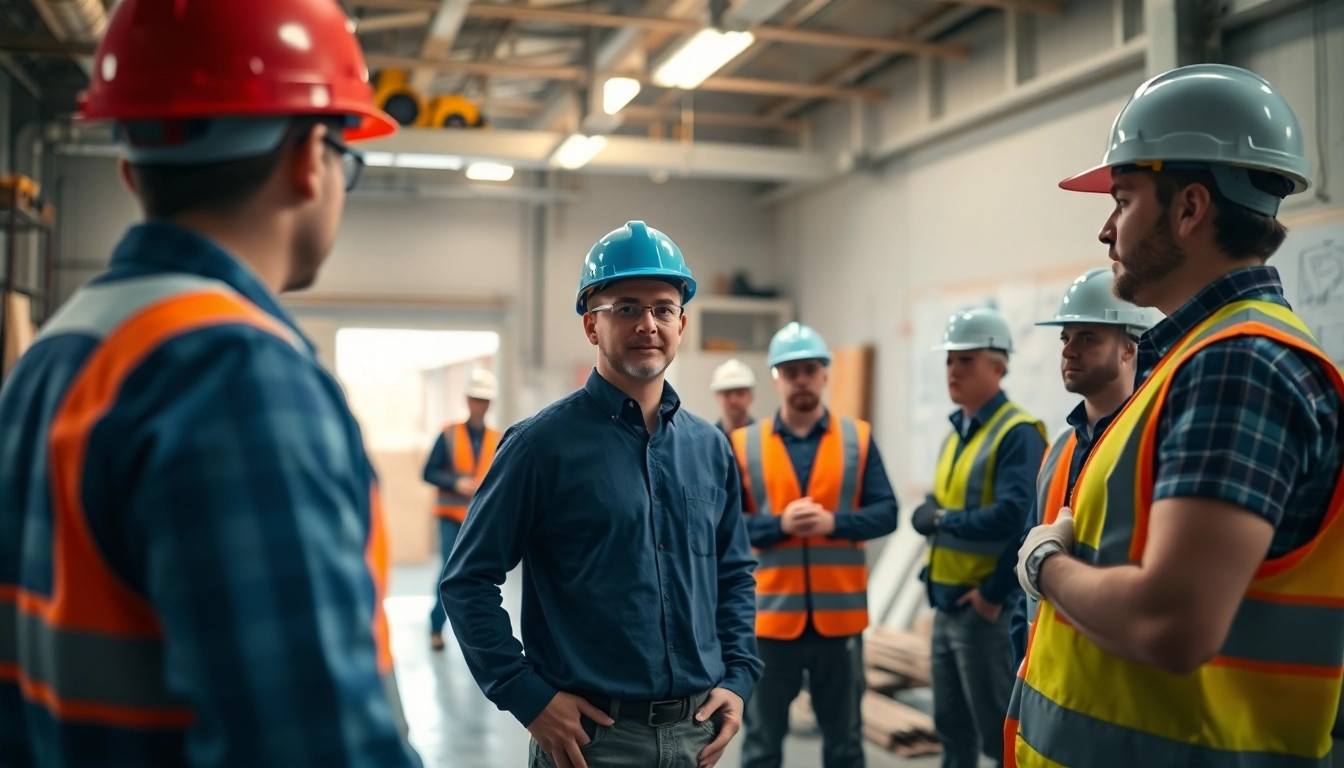
Effective collaboration between engineers, architects, and contractors is critical to a successful steel structure design project. Early involvement of all parties can facilitate a seamless exchange of ideas and interpretations, ensuring that the design intent is preserved throughout all phases of construction.
Regular meetings, transparent communication channels, and collaborative tools can enhance teamwork, helping to identify potential issues before they arise. This synergy can lead to innovative solutions that blend aesthetics and functionality effectively.
3. Sustainability in Material Use
With increasing emphasis on sustainable building practices, embracing eco-friendly materials and design approaches in steel structure design is vital. Utilizing recycled materials, energy-efficient manufacturing practices, and sustainable coatings can significantly reduce the environmental impact of steel structures.
Designing for energy efficiency, such as incorporating advanced insulation into structural elements or specifying materials that lessen energy consumption during use, can also contribute to a building’s overall sustainability profile, appealing to environmentally-conscious clients.
Measuring Success in Steel Structure Design
1. Key Performance Indicators
To evaluate the success of steel structure design, specific key performance indicators (KPIs) should be established. These might include metrics related to structural integrity, project timelines, cost efficiency, and overall safety performance. Establishing measurable goals not only provides benchmarks for success but also helps identify areas for improvement in future projects.
Other KPIs can involve user satisfaction post-occupancy evaluations, energy performance ratings, and compliance with sustainability standards. Regular data collection and analysis allow for ongoing refinement of design practices.
2. Case Studies of Successful Projects
Documenting successful steel structure projects can serve as valuable learning experiences for future designs. Case studies often highlight innovative design choices, problem-solving strategies employed during construction, and insights into client satisfaction. Projects like the Sydney Harbour Bridge or the Burj Khalifa provide tangible examples of how steel structure design can achieve remarkable outcomes when executed successfully.
Analyzing these case studies can inspire creativity and innovation, demonstrating the transformative power of effective steel structure design in addressing specific project needs and challenges.
3. Adjusting Designs Based on Feedback
Incorporating feedback is essential for continuous improvement in steel structure design. Gathering insights from various stakeholders, including end-users, contractors, and maintenance personnel, can inform updates and modifications that enhance the structure's overall effectiveness and satisfaction.
Applying lessons learned from one project to future ones fosters an environment of innovation and adaptation, ensuring that designers remain responsive to changing needs and technologies in the rapidly evolving construction landscape.
Steel structure design plays an integral role in shaping the buildings and infrastructure of our modern world. By understanding its principles, addressing challenges effectively, and implementing best practices, professionals can create structures that are not only functional and safe but also resonate with the principles of sustainability and efficiency. As technology and methodologies evolve, ongoing education and adaptation will ensure that steel continues to be a cornerstone of innovative design in the construction industry.