
Fly fishing for bass has grown increasingly popular among anglers who enjoy the challenge of catching this powerful freshwater fish. Unlike traditional spin or bait casting, fly fishing for bass requires specialized equipment and techniques that allow you to present delicate flies in a way that entices bass to strike. If you’re new to the sport or looking to upgrade your gear, understanding the equipment needed is crucial to success.
Fly Rods for Bass
The foundation of any fly fishing setup is the rod. For fly fishing for bass, a medium to heavy-action rod is typically recommended. A 7- to 9-weight rod works well for casting larger flies and handling the strength of bass. Longer rods, ranging from 9 to 10 feet, provide better line control and make it easier to cast across lakes, rivers, or ponds. When selecting a rod, make sure it matches the weight of your reel and line to ensure smooth performance.
Fly Reels
A good fly reel is more than just a line storage device; it plays a crucial role in controlling fish during the fight. For fly fishing for bass, look for reels with a smooth drag system that can handle the sudden bursts of power bass are known for. Reels made from lightweight materials such as aluminum or magnesium are ideal, as they won’t weigh down your rod during long days on the water. Additionally, ensure your reel has a matching line weight for optimal casting efficiency.
Fly Line and Leaders
Fly line selection is essential for success when fly fishing for bass. Floating lines are the most commonly used, as they allow for surface presentations that mimic insects or frogs—two of bass’s favorite meals. Weight-forward lines are also advantageous because they help cast larger flies more effectively. Leaders should be strong and abrasion-resistant, typically ranging from 10 to 20 pounds, depending on the size of the bass and the type of cover you are fishing near.
Essential Flies for Bass
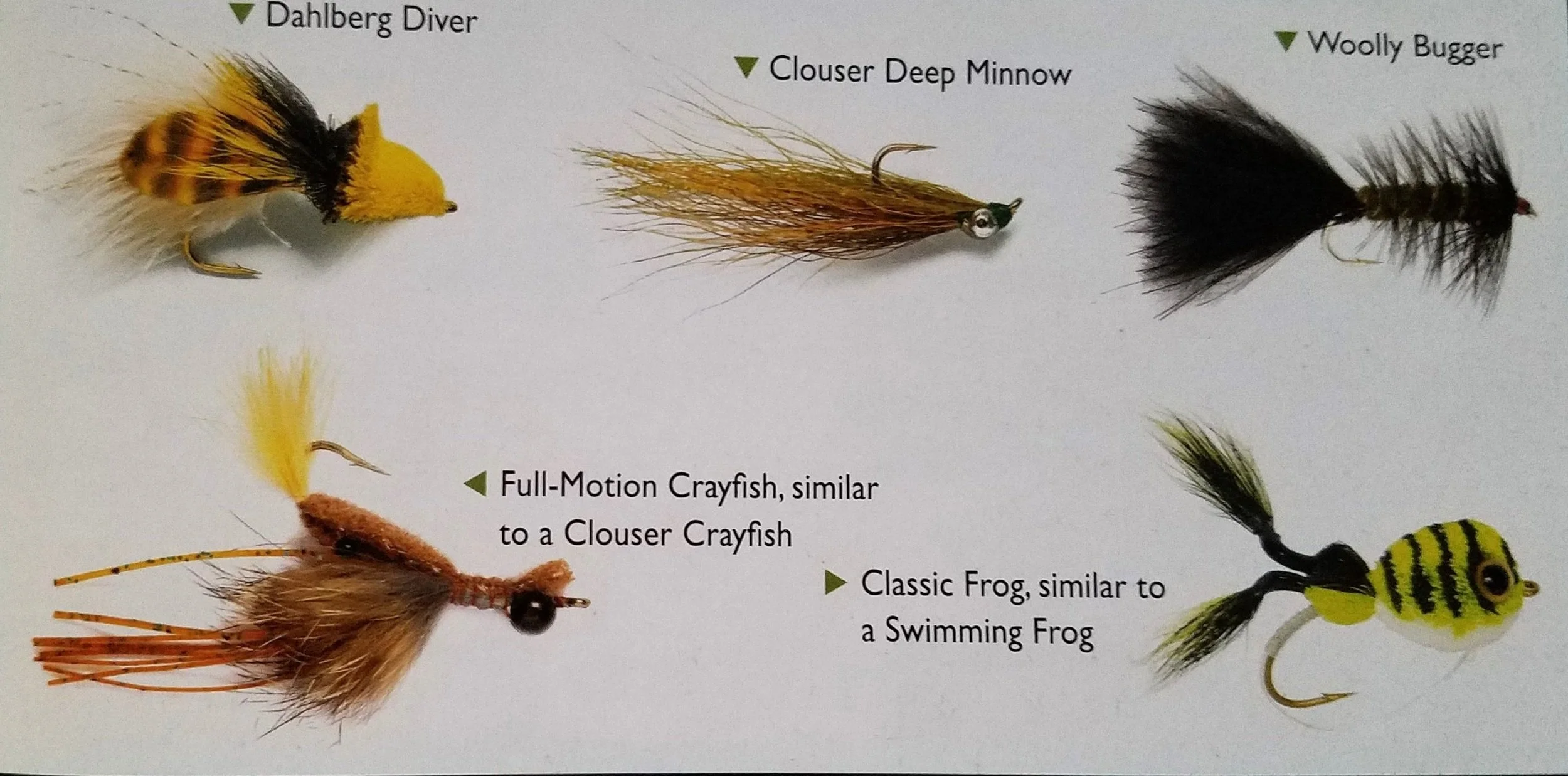
Choosing the right flies is critical when fly fishing for bass. Bass are opportunistic feeders, so a variety of patterns can be effective. Popular choices include poppers, streamers, and soft plastic imitation flies. Surface poppers are particularly exciting because they create a splash that provokes aggressive strikes. Streamers imitate small baitfish, while soft plastic flies can mimic crawfish or worms. It’s a good idea to carry a mix of flies to adapt to changing water conditions and bass behavior.
Accessories You Can’t Forget
While rods, reels, lines, and flies make up the core equipment for fly fishing for bass, several accessories can enhance your experience. A good pair of polarized sunglasses will reduce glare and help you spot bass in shallow waters. A landing net designed for fly fishing makes it easier to safely handle your catch. Waders and boots allow you to reach prime fishing spots without disturbing the water too much. Additionally, a fly box with compartments will keep your flies organized and accessible during your fishing trip.
Tips for Gear Maintenance
Proper maintenance of your fly fishing gear is essential to ensure longevity and performance. After each outing, rinse rods and reels with fresh water to remove dirt and debris. Inspect your line and leaders for frays or damage, and replace them as necessary. Keeping your flies dry and stored properly will prevent rust and deterioration. Regular maintenance allows you to spend more time enjoying the sport rather than troubleshooting equipment problems.
Where to Fish for Bass
Fly fishing for bass can be done in a variety of freshwater environments, including rivers, lakes, ponds, and reservoirs. Shallow waters with plenty of vegetation are often productive, as bass use these areas for cover and hunting. Timing your fishing trips during early morning or late evening can increase your chances of success, as bass are more active during these periods. Observing local conditions and water temperatures will help you make informed decisions on fly selection and presentation techniques.
Conclusion
Fly fishing for bass is an exciting and rewarding way to experience the thrill of freshwater angling. By investing in the right equipment—including rods, reels, lines, leaders, and flies—you set yourself up for success on the water. Accessories such as polarized sunglasses, waders, and landing nets can enhance your comfort and efficiency, while proper gear maintenance ensures longevity and performance. Remember to adapt your fly choices and techniques based on local conditions, water levels, and bass behavior. Whether you’re a beginner or an experienced angler, mastering the art of fly fishing for bass combines patience, skill, and the right equipment to create an unforgettable fishing experience.