

Feeding your dog a nutritious, high-quality diet is essential for their health and longevity, but many pet owners hesitate when they ask themselves, how much does farmers dog cost? Known for its fresh, human-grade meals designed specifically for dogs, Farmers Dog is often seen as a premium option. While the benefits are clear, the price can make pet owners think twice. The good news is that with some smart planning and budgeting, you can provide your dog with the best nutrition without breaking the bank. In this article, we’ll explore 14 practical tips to manage costs while enjoying the benefits of Farmers Dog.
1. Understand Your Dog’s Nutritional Needs
Before evaluating how much does Farmers Dog cost, it’s crucial to understand your dog’s nutritional requirements. Dogs of different sizes, ages, and activity levels require varying amounts of food. Knowing your dog’s specific needs helps you avoid overbuying, which can unnecessarily increase expenses.
2. Calculate Portion Sizes Accurately
Farmers Dog provides recommended portion sizes based on your dog’s weight and lifestyle. Sticking to these guidelines ensures you’re feeding your dog the right amount, preventing waste and reducing overall cost. Overfeeding not only affects your budget but can also lead to health issues in your dog.
3. Take Advantage of Subscription Discounts
Farmers Dog offers subscription plans that deliver meals regularly. Signing up for a subscription often comes with discounts compared to one-time orders. Automating deliveries also helps you manage monthly expenses more efficiently and ensures your dog never misses a meal.
4. Compare Costs With Other Dog Foods
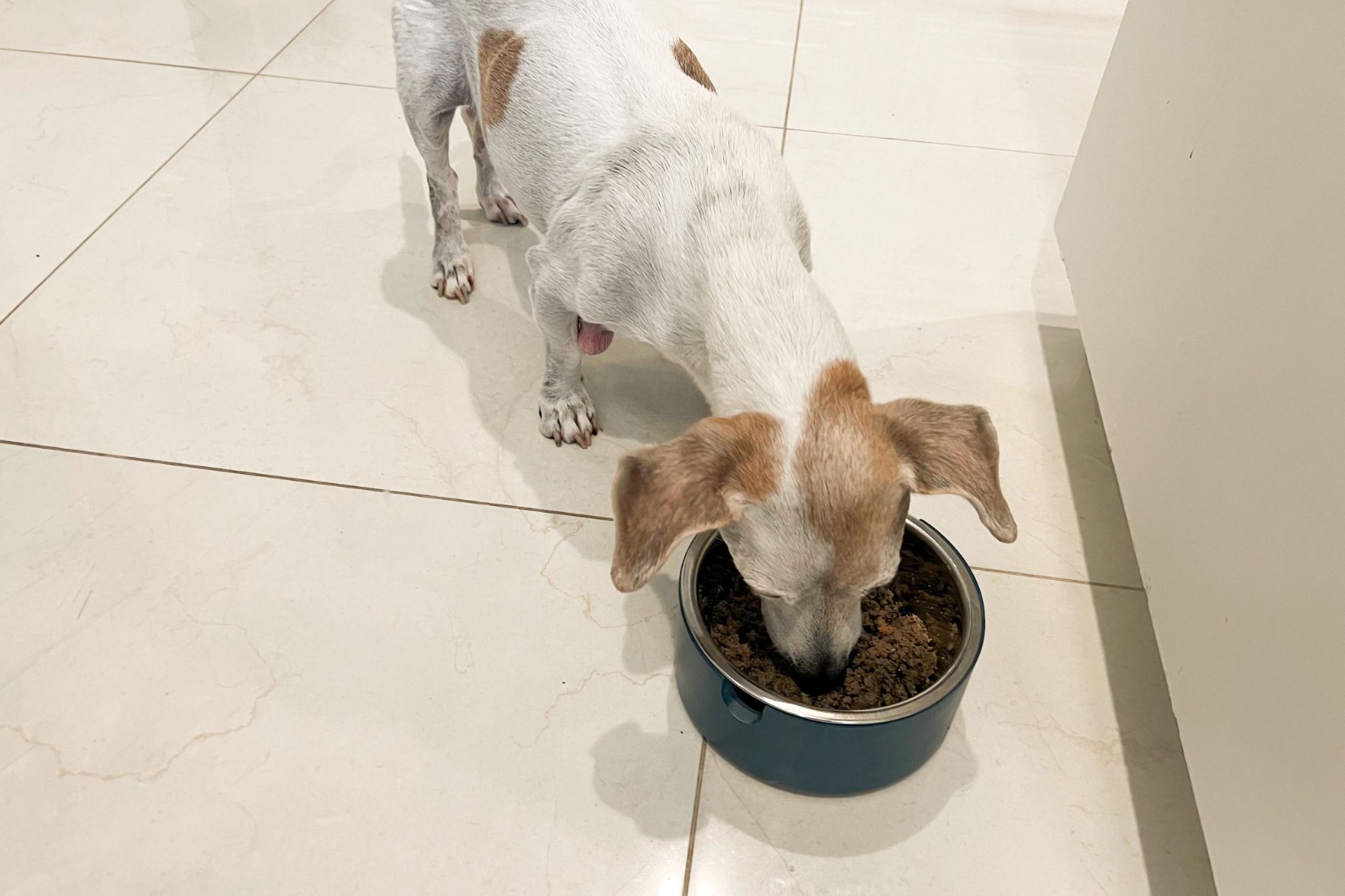
When assessing how much does Farmers Dog cost, it’s helpful to compare it to other premium dog food brands. While Farmers Dog may seem pricier upfront, the fresh ingredients and tailored nutrition can offset long-term veterinary costs by keeping your dog healthier.
5. Start With Smaller Portions
If the cost feels overwhelming, consider starting with smaller meal packages. This allows you to gradually introduce your dog to Farmers Dog while managing your budget. Once you determine the appropriate serving sizes, you can scale up accordingly.
6. Monitor Your Dog’s Weight and Health
Keeping track of your dog’s weight and overall health helps you feed precisely the right amount. Adjusting portions based on your dog’s activity level and condition ensures you’re not overspending. Maintaining optimal weight also reduces the risk of costly health problems later.
7. Mix Farmers Dog With Dry Food
For some pet owners, blending Farmers Dog meals with a high-quality dry kibble can make the transition smoother and more affordable. This combination allows your dog to enjoy fresh meals while lowering the total monthly cost. Gradually adjusting the ratio can help maintain nutritional balance.
8. Look for Promotions and Referral Programs
Farmers Dog frequently offers promotions, first-time user discounts, or referral incentives. Keeping an eye on these deals can reduce initial costs and help you save on recurring orders. Signing up for their newsletter ensures you don’t miss any money-saving opportunities.
9. Store Food Properly to Avoid Waste
Fresh dog food requires proper storage to maintain quality. Refrigerate or freeze meals as recommended to prevent spoilage. Wasting food not only increases expenses but also undermines your efforts to provide your dog with consistent nutrition.
10. Track Your Monthly Spending
Create a dedicated budget for your dog’s food expenses. Tracking monthly spending helps you understand how much does Farmers Dog cost in practice and allows you to adjust orders or serving sizes to stay within budget. This approach also provides a clear picture of long-term costs.
11. Utilize Free Shipping Options
Many subscription services, including Farmers Dog, offer free shipping on certain plans or minimum orders. Opting for these plans can save a significant amount over time, making high-quality meals more accessible for your budget.
12. Buy in Bulk or Adjust Delivery Frequency
Adjusting delivery frequency can help manage costs. Some pet owners find that ordering larger quantities less frequently is more cost-effective, especially if you have freezer space. This method also reduces packaging waste and the hassle of frequent deliveries.
13. Consult a Veterinarian
Before committing to a premium diet, consult your veterinarian. They can help determine whether Farmers Dog meets your dog’s nutritional needs and suggest the ideal portion sizes. This step ensures you’re investing wisely and not spending unnecessarily.
14. Reassess Periodically
Finally, periodically reassess your dog’s diet and your budget. As your dog ages or their activity level changes, so may their nutritional requirements. Regular evaluation ensures you’re not overpaying or underfeeding, keeping both your dog and your wallet healthy.
Conclusion
Knowing how much does Farmers Dog cost doesn’t have to be a source of stress. With careful planning, portion control, and strategic use of subscriptions or promotions, you can provide your dog with fresh, nutritious meals while keeping your budget in check. Implementing these 14 tips ensures your furry friend receives premium nutrition, and your finances remain healthy. Investing in your dog’s diet is an investment in their long-term health, happiness, and vitality. Click here to return to the homepage and unlock more content.
Frequently Asked Questions
Q1: How much does Farmers Dog cost per month?
The cost depends on your dog’s size, weight, and dietary needs. On average, small dogs may cost $2–$3 per meal, while larger dogs may cost $4–$6 per meal.
Q2: Can I feed my dog only Farmers Dog meals?
Yes, Farmers Dog meals are designed to be a complete diet. However, transitioning gradually and monitoring your dog’s health is recommended to ensure they adapt well.
Q3: Are there ways to reduce Farmers Dog costs?
Yes, using subscription discounts, promotions, proper portioning, and blending with high-quality dry food are effective ways to lower expenses without compromising nutrition.