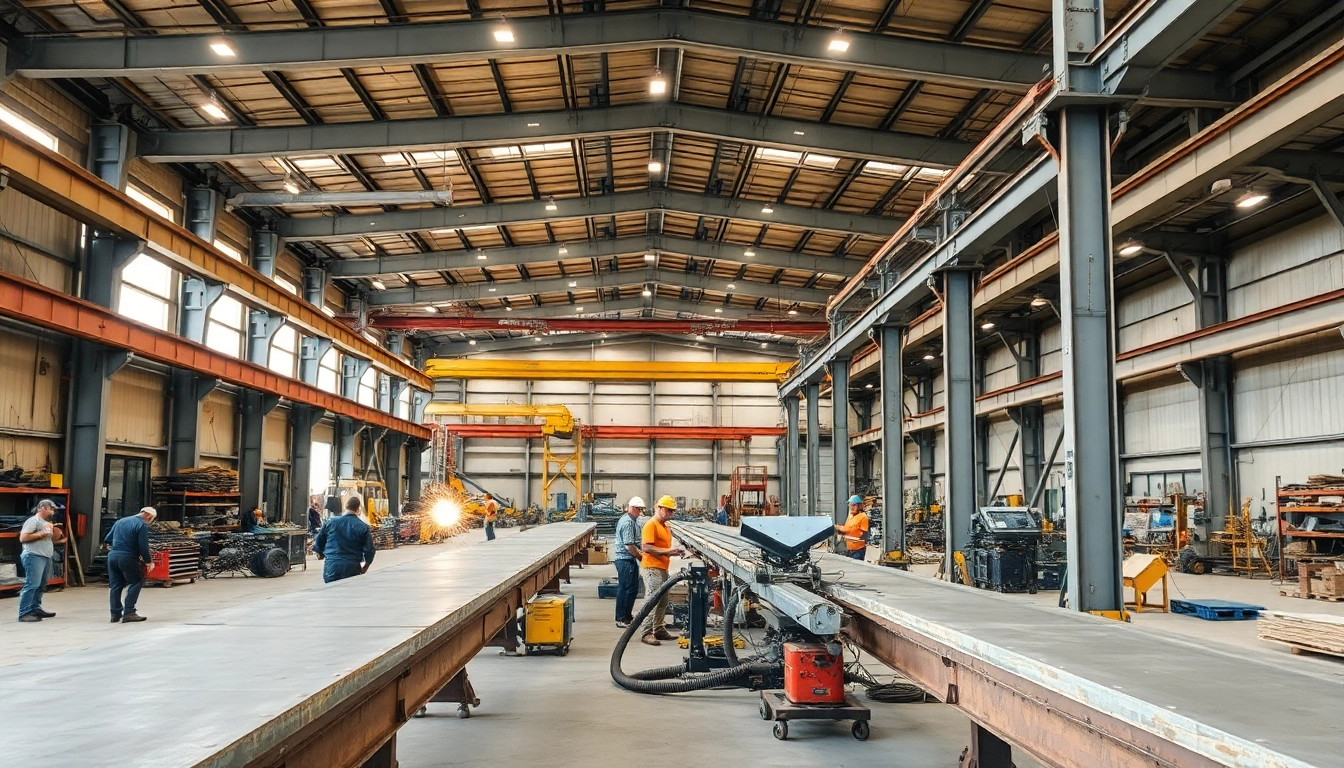
Understanding Structural Steel Fabrication
Definition and Importance
Structural steel fabrication is a critical process in the construction industry, involving the assembly of steel components to create infrastructure such as buildings, bridges, and industrial structures. The importance of this process cannot be overstated, as it contributes significantly to the strength and durability of architectural designs. Effective structural steel fabrication not only guarantees the integrity of the final product but also optimizes the cost and time efficiency of construction projects. By offering custom solutions tailored to specific project requirements, businesses engaging in structural steel fabrication play an indispensable role in modern construction.
Key Materials in Structural Steel Fabrication
The primary material used in structural steel fabrication is steel, chosen for its high tensile strength, malleability, and durability. Several grades and types of steel, such as carbon steel, stainless steel, and alloy steel, are utilized based on the project's demands. Fatigue resistance, corrosion performance, and weldability are crucial factors influencing the selection process. In addition, auxiliary materials such as bolts, rivets, and welding consumables are also essential for assembling the fabricated steel components into a coherent structure. Understanding the properties and appropriate application of each material ensures the structural safety and longevity of the finished product.
Overview of the Fabrication Process
The structural steel fabrication process comprises several key steps that collectively transform raw steel into finished parts ready for use in construction. Initially, the process begins with evaluating project specifications and determining the required materials. This is followed by cutting the steel into specified dimensions using various tools, including saws, plasma cutters, and lasers. Once cut, pieces undergo preparation, which may involve grinding or beveling edges to facilitate effective welding. The key stage of assembly follows, during which components are welded, bolted, or riveted together before final inspection and surface treatment. Each step is vital to ensure that the final structure meets the necessary engineering and safety standards.
Techniques Used in Structural Steel Fabrication
Welding Methods for Structural Steel Fabrication
Welding is one of the most essential techniques in structural steel fabrication, enabling the joining of individual pieces into a cohesive framework. Various welding methods are employed, including Shielded Metal Arc Welding (SMAW), Gas Metal Arc Welding (GMAW), and Flux-Cored Arc Welding (FCAW). SMAW, commonly known as stick welding, is favored for its versatility and effectiveness in outdoor conditions, while GMAW is known for its speed and efficiency, making it ideal for high-volume projects. Each method has its advantages, with the choice of technique depending on factors such as thickness of the steel, accessibility of the joint, and position of the weld. Mastering these techniques ensures stronger joints and enhances the overall structural integrity.
Cutting Techniques and Tools
Cutting steel accurately is a fundamental requirement in every structural steel fabrication project. Various cutting techniques are available, including mechanical cutting, thermal cutting, and laser cutting. Mechanical cutting employs tools like saws that provide precise and clean edges. In contrast, thermal cutting methods, such as oxy-fuel cutting or plasma cutting, utilize high temperatures to achieve quick and effective cuts. Laser cutting is recently gaining popularity due to its superior precision and reduced material waste. Each cutting technology has its application scenarios based on factors like material thickness, speed requirements, and budget constraints.
Assembly and Installation Practices
Effective assembly and installation practices are vital to ensure that fabricated steel components are accurately put together on-site. Detailed assembly drawings are essential, guiding the workers in aligning and securing pieces correctly. The use of jigs and fixtures can facilitate the assembly process, ensuring that components are positioned correctly before permanent joining. Once on-site, proper installation techniques must be adhered to, including checking for level and alignment, which directly impacts the safety and performance of the structure. Rigorously following these practices minimizes errors, reduces rework, and ensures timely project delivery.
Common Challenges in Structural Steel Fabrication
Material Defects and Quality Control
Material defects pose significant challenges in the structural steel fabrication industry, leading to potential failures and increased costs. Common defects include voids, inclusions, and surface imperfections. Implementing a robust quality control system is vital to detect these issues early in the process. Techniques such as ultrasonic testing, magnetic particle testing, and visual inspection are commonly employed to assess material integrity. Furthermore, adherence to established standards, such as ASTM and ISO certifications, helps ensure that all materials and processes meet industry guidelines, thereby enhancing the project’s overall quality and reliability.
Compliance with Industry Standards
Compliance with industry standards is not just a regulatory obligation; it ensures the safety and reliability of fabricated structures. Various national and international standards govern fabrication processes, including ASTM, ANSI, and AWS codes. Understanding and implementing these standards can be complex, requiring thorough training and knowledge of the specific material and product requirements. Regular audits and training for fabricators can help ensure ongoing compliance, reducing the risk of costly errors and enhancing credibility with clients and stakeholders.
Project Management Issues
Effective project management is critical in structural steel fabrication. Several challenges can arise, including scheduling delays, budget overruns, and communication gaps among stakeholders. Employing project management tools and methodologies, such as Gantt charts and Agile principles, can significantly improve workflow efficiency. Collaborating closely with engineering teams and stakeholders further ensures that all objectives are aligned, leading to smoother project execution. Adopting best practices, such as setting realistic timelines, conducting regular progress reviews, and maintaining open lines of communication, is essential to overcoming these challenges.
Best Practices for Effective Structural Steel Fabrication
Optimizing Workflow Efficiency
Optimizing workflow efficiency in structural steel fabrication is essential for minimizing costs and reducing lead times. Implementing lean manufacturing principles can streamline processes by eliminating waste and standardizing practices. Organizing the workspace effectively, utilizing tools such as Kanban boards, can help track progress and manage inventories with greater precision. Regularly reviewing workflow processes and gathering feedback from the fabrication team can lead to innovative improvements and increase overall productivity, enhancing the competitive edge of the company.
Investing in Technology and Training
Investing in advanced technology and ongoing training is critical for staying competitive in structural steel fabrication. Automation technologies, such as CNC machinery, robotics, and advanced software programs, can enhance precision, speed, and consistency in fabrication work. Additionally, focusing on staff training ensures that the workforce is skilled in modern techniques and technologies, which is essential for maintaining high standards of quality. Companies that prioritize professional development not only enhance their capabilities but also foster employee satisfaction and retention.
Promoting Safety in the Workplace
Safety in the workplace is critical in the structural steel fabrication industry, given the inherent risks associated with cutting, welding, and assembling steel structures. Implementing comprehensive safety protocols and training can significantly reduce accidents and injuries. Conducting regular safety audits, providing proper personal protective equipment (PPE), and promoting a safety-first culture are essential steps in creating a safe work environment. Focusing on safety not only protects employees but also minimizes downtime and potential liabilities for the business.
Future Trends in Structural Steel Fabrication
Innovations in Materials and Techniques
Future trends in structural steel fabrication indicate a growing focus on innovative materials and techniques that improve performance and sustainability. Recent developments in high-strength steels and composite materials offer enhanced strength-to-weight ratios, allowing for lighter constructions without compromising durability. Additionally, 3D printing technology is emerging as a disruptive force in fabrication, enabling the on-demand production of complex structures while minimizing waste. Staying ahead of these trends is essential for fabricators looking to enhance their offerings and adapt to changing market demands.
Sustainability in Steel Production
As environmental concerns gain prominence, the industry is moving towards more sustainable practices in steel production and fabrication. Innovations such as using recycled steel and energy-efficient methods are becoming more commonplace. Sustainable practices not only reduce the environmental footprint but can also lead to cost savings in energy and material usage. Adoption of sustainability initiatives, such as life-cycle assessments, helps companies to not only meet regulatory requirements but also appeal to environmentally-conscious clients.
The Role of Automation in Fabrication
Automation continues to reshape the structural steel fabrication landscape, enhancing precision and reducing labor costs. Robotic welding and automated cutting tools are improving efficiency and consistency across fabrication processes. With advancements in artificial intelligence and machine learning, predictive maintenance and quality assurance systems are becoming integrated into fabrication processes, allowing for real-time monitoring and adjustments. Embracing these technologies positions companies to optimize operations and respond more efficiently to market dynamics.
Frequently Asked Questions
What is structural steel fabrication?
Structural steel fabrication is the process of cutting, shaping, and assembling steel components to create structures like buildings and bridges. It ensures the structural integrity and safety of construction projects.
What materials are typically used in structural steel fabrication?
Common materials include carbon steel, stainless steel, and alloy steel. Additional components such as bolts and rivets are also essential in assembling the fabricated structures.
What welding methods are used in structural steel fabrication?
Key welding methods include Shielded Metal Arc Welding (SMAW), Gas Metal Arc Welding (GMAW), and Flux-Cored Arc Welding (FCAW). Each method has its advantages depending on the application.
How can project management enhance structural steel fabrication?
Effective project management improves workflow, reduces costs, and ensures timely delivery. Tools like Gantt charts and agile methodologies can streamline processes and foster better communication among stakeholders.
What trends are shaping the future of structural steel fabrication?
Innovations in materials, sustainability practices, and increased automation, such as robotic welding and CNC technology, are key trends influencing the future of structural steel fabrication.