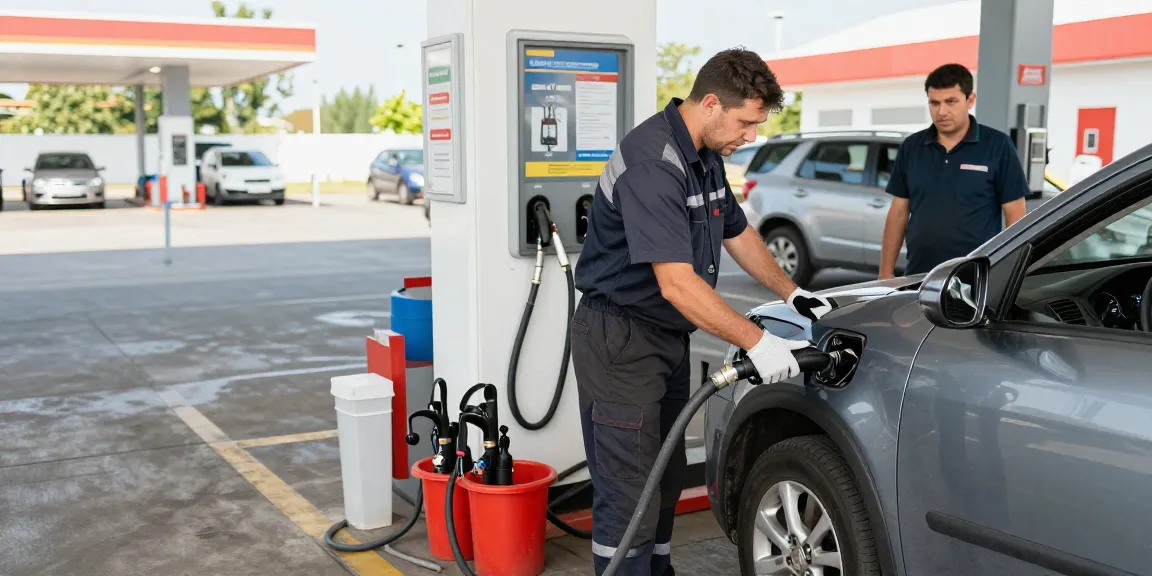
Understanding Diesel in Petrol Car: The Basics
Accidentally fueling a petrol engine with diesel fuel can lead to significant complications for vehicle owners. Understanding the consequences and taking immediate action is vital for preventing costly repairs and maintaining your engine’s health. When exploring options, Diesel in petrol car scenarios are common mishaps that can occur at any fuel station, and being informed can make all the difference.
What Happens When You Put Diesel in a Petrol Engine?
When diesel, a denser and thicker fuel, is introduced into a petrol engine, the engine struggles to function properly. Unlike gasoline, diesel fuel does not combust in the same way, as it is designed for compression ignition systems rather than spark ignition. This is why the immediate effect might simply be a stalling of the engine as it fails to ignite the diesel fuel, leading to potential clogging of fuel injectors and other critical components.
Common Symptoms of Diesel Contamination
Identifying diesel contamination early can mitigate further damage. Common signs include:
- Difficulty starting the engine
- Engine misfiring or stalling
- Unusual exhaust smoke
- Loss of power during acceleration
- Warning lights on the dashboard indicating engine issues
The Immediate Risks of Driving with Wrong Fuel
Attempting to drive with the wrong fuel can cause severe engine damage. The diesel can lead to clogged fuel filters and malfunctioning fuel pumps, and if the engine is run for any length of time, the internal components can become severely compromised, necessitating expensive repairs or even a complete engine replacement. It is critical to stop the vehicle and seek professional assistance immediately.
Emergency Steps When You Accidentally Fuel Incorrectly
Knowing what to do in the event of misfuelling can save vehicle owners time and money. Here’s a straightforward guide on managing the situation when you accidentally fill your petrol car with diesel fuel.
Do Not Start the Engine: Why It’s Crucial
One of the most critical steps is to avoid starting the engine. Engaging the ignition can circulate diesel through the fuel system, leading to further contamination and damage. If you realize the mistake before starting the vehicle, the chance of recovery without extensive repairs greatly increases.
How to Safely Stop Refueling Immediately
Once you suspect that diesel has been added to your petrol tank, it’s essential to stop refueling instantly. Turn off the fuel pump and inform the station staff about the error. They may have procedures in place for handling such situations, and their assistance can prove invaluable.
Contacting Professional Recovery Services
After halting the refueling process, immediately contact a professional recovery service that specializes in wrong fuel recovery. Expert technicians can drain the contaminated fuel safely, minimizing the risk of any lasting damage to your vehicle. Services are typically mobile, allowing them to arrive at your location swiftly.
Technical Insights: The Impact of Diesel in Petrol Cars
Understanding the technical implications of fuel contamination can help vehicle owners appreciate the necessity of swift action in these scenarios. Diesel and petrol fuels have different properties, leading to various issues in a petrol engine.
Why Diesel is Thicker and More Viscous
Diesel fuel has a higher viscosity compared to gasoline. This difference means that it does not flow through a petrol engine's system as smoothly. The fuel injectors, designed for gasoline's lighter consistency, can become blocked, leading to inefficient engine performance or failure to start.
Potential Damage to Engine Components
When diesel is allowed to remain in a petrol engine, it can result in:
- Clogged fuel injectors
- Damage to spark plugs
- Contaminated fuel lines
- Strain on the fuel pump, potentially leading to burn-out
Long-Term Effects of Ignoring the Problem
Neglecting to address diesel in a petrol car can lead to chronic performance issues, higher fuel consumption, and ultimately significant repair costs. If untreated, the situation not only affects the immediate problem but can also lead to long-term engine health issues.
Prevention: Avoiding Fuel Mix-Ups
While mistakes happen, implementing preventive measures can significantly mitigate the chances of misfuelling. Here are some actionable tips to help drivers avoid these common pitfalls.
Tips for Smart Driving and Fueling Habits
Developing habits that minimize the risk of pouring the wrong fuel can be beneficial:
- Always double-check fuel types before filling
- Use fuel caps and labels to remind yourself about fuel types
- Consider using fuel systems that prevent misfuelling
Modern Vehicles and Fuel Compatibility
With advancements in vehicle technology, understanding fuel compatibility has become more important. Many modern cars are equipped with systems that can handle a mix of fuels, but relying on this feature can lead to costly repairs if done incorrectly. Always refer to the manufacturer's guidelines regarding fuel use.
Understanding Fuel Types and Their Designations
Educating yourself about the various fuel types available can also help. Familiarizing yourself with the differences between diesel and petrol, along with the various designations such as E10 or E85 ethanol blends, will empower you to make informed decisions at the pump.
Future Trends in Fuel Recovery Services (2026)
As technology advances, so do the methods of fuel recovery. Being aware of future trends can better prepare vehicle owners for an evolving landscape.
Advancements in Mobile Fuel Recovery Technologies
Looking ahead, mobile fuel recovery services are expected to leverage technology to enhance efficiency. Innovations such as mobile apps for immediate service requests, combined with real-time tracking, are likely to improve response times and customer experience.
The Role of Customer Education in Preventing Mix-Ups
As vehicle owners become better educated about fuel types and their implications, the rates of misfuelling incidents may decrease significantly. Regular workshops and informational campaigns from fuel providers could aid in spreading awareness and prevention strategies.
Industry Predictions: Fuel Management Systems
Future vehicles may also incorporate sophisticated fuel management systems that can detect incorrect fuels and automatically alert the driver. Incorporating sensors and alerts could revolutionize how drivers engage with fuel stations, mitigating human error.
What to Do If You Encounter Diesel in a Petrol Car?
When facing the reality of diesel in a petrol car, promptly engaging a professional recovery service is paramount. Quick action can make a significant difference in the extent of possible damage and repair costs.
Is It Safe to Drive After Mixing Fuels?
In short, it is not safe to drive a vehicle that has been contaminated with diesel fuel. Attempting to operate the vehicle can cause serious harm to the engine and related components, leading to costly repairs. Stopping immediately and seeking assistance from a qualified service is the best course of action.
How to Get Quick Help for Wrong Fuel Situations?
For swift assistance, retaining the contact information of a 24/7 fuel recovery service can be invaluable. Their expertise in handling these situations can ease the stress of dealing with misfuelling and help you return to the road safely and efficiently.