
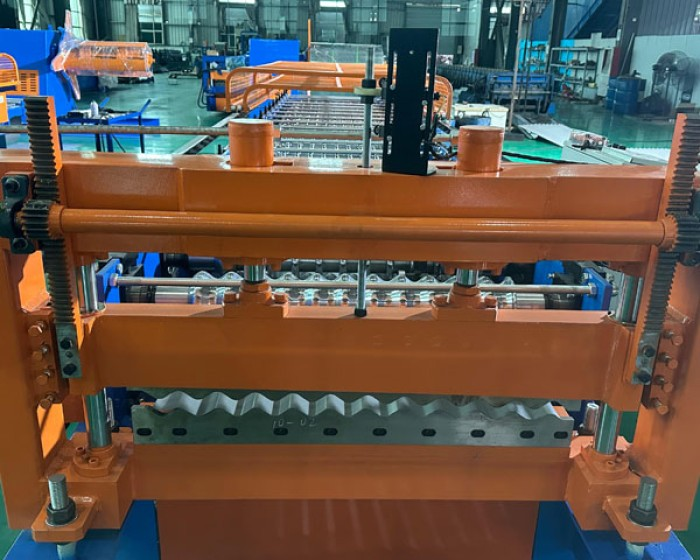
Industrial machinery and automation are shaping the future of manufacturing by improving efficiency, increasing precision, and supporting smarter production processes. As industries continue to adopt advanced technologies, modern machinery is becoming more intelligent, reliable, and capable of handling complex manufacturing tasks with minimal human intervention. Automation enables manufacturers to produce high-quality products faster while reducing operational costs and material waste. Equipment such as the light gauge steel frame machine, developed by experienced light gauge steel framing manufacturers, represents how innovation is driving the next generation of industrial production.
The Evolution of Industrial Machinery
Manufacturing has progressed from labor-intensive operations to highly automated production environments. Modern industrial machinery combines precision engineering, digital controls, sensors, and automated systems to streamline every stage of production.
This evolution allows manufacturers to increase productivity while maintaining consistent product quality and improving overall operational performance.
Future Trends in Industrial Machinery and Automation
Smart Manufacturing Systems
Future production equipment will increasingly use intelligent software and automated controls to optimize manufacturing processes. Smart systems will improve efficiency by monitoring machine performance in real time.
Greater Production Accuracy
Advanced automation will continue to improve manufacturing precision, ensuring products are produced with consistent dimensions and reliable quality throughout every production cycle.
Predictive Maintenance
Modern machinery will use digital monitoring systems to detect potential equipment issues before failures occur. Predictive maintenance helps reduce downtime and extends machine service life.
Improved Energy Efficiency
Future manufacturing equipment will be designed to consume less energy while maintaining high production capacity. Efficient operation supports both cost savings and sustainable manufacturing.
Flexible Production Capabilities
Advanced machinery will allow manufacturers to switch between different product profiles quickly, making production more adaptable to changing market demands.
Applications of Industrial Automation
Industrial automation is widely used in the production of roofing panels, wall panels, steel framing systems, structural components, industrial building materials, warehouse structures, modular construction products, commercial building systems, and infrastructure materials. Its versatility supports efficient manufacturing across numerous industries.
Benefits of Modern Industrial Machinery
- Higher production efficiency
- Improved manufacturing accuracy
- Consistent product quality
- Reduced material waste
- Lower equipment downtime
- Greater operational flexibility
- Reliable long-term performance
Choosing Future-Ready Manufacturing Equipment
Manufacturers should invest in machinery that offers intelligent automation, precision engineering, durable construction, and reliable technical support. Future-ready equipment helps businesses improve productivity while remaining competitive in a rapidly changing manufacturing environment.
Modern systems also provide the flexibility needed to expand production capabilities and respond efficiently to customer requirements.
Conclusion
The future of industrial machinery and automation will be defined by intelligent technology, greater efficiency, improved precision, and sustainable manufacturing practices. As automation continues to evolve, businesses that invest in advanced production equipment will be better positioned to improve productivity, reduce costs, and deliver consistently high-quality products.
Whether investing in a light gauge steel frame machine or partnering with experienced light gauge steel framing manufacturers, manufacturers can strengthen their production capabilities, embrace modern automation, and support the future of efficient and innovative industrial manufacturing.