Understanding the Audio CD: Features, Benefits, and Practical Usage
As technology continues to evolve at a rapid pace, the audio cd remains a staple in the world of digital music. Known for its reliability and sound quality, the audio cd is much more than just a method of storing music; it's a significant part of the audio landscape that dates back to the 1980s. This article will delve deep into what an audio cd is, its historical backdrop, key features, benefits, and how to choose the right audio cd for your needs, among other insights.
What is an audio cd?
Definition and Overview
An audio cd, also referred to as a Compact Disc Digital Audio (CDDA), is a digital optical disc used to store digital audio data. This format became widely popular in the 1980s as it provided a quality sound experience that was significantly better than that of cassette tapes and vinyl records. An audio cd typically holds 74 to 80 minutes of audio and utilizes a sampling frequency of 44.1 kHz, translating to a bit rate of 1,411 kbps.
History and Development
The audio cd was jointly developed by Philips and Sony and was officially released in 1982. This marked a monumental shift in the music industry, leading to the decline of vinyl and cassette formats. The technology behind audio cds incorporates laser optics that read the data encoded on the disc in a spiral track, allowing for high fidelity sound reproduction. Over the years, the development of CD-R and CD-RW technologies enabled users to burn their own audio cds, expanding the format's popularity and utility further.
Key Features of audio cd
- High Fidelity Sound: Audio cds deliver sound that is much clearer and more accurate than their analog predecessors.
- Durability: Made from polycarbonate plastic, audio cds are resistant to scratches and can last for years if stored properly.
- Standardized Format: The audio cd follows a universal format, making it compatible with most cd players, computers, and stereo systems.
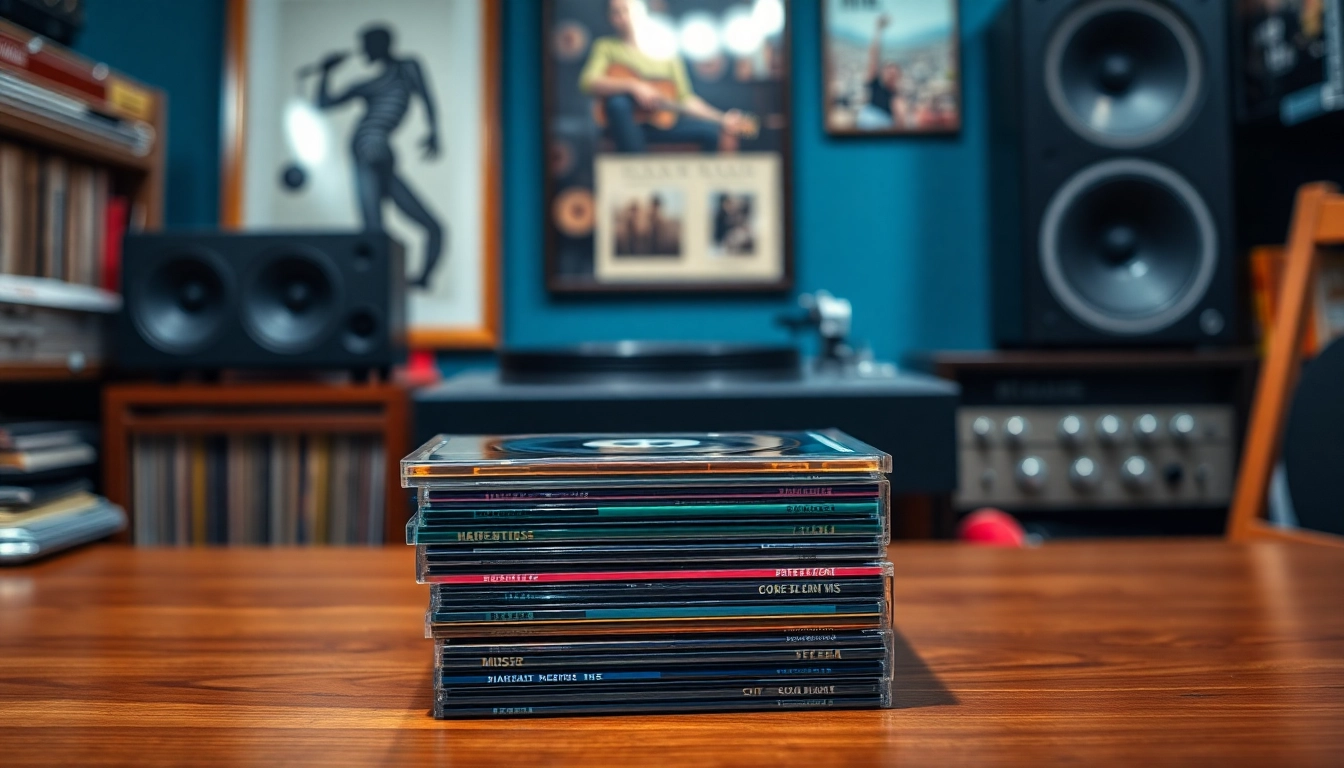
- Visual Artwork: Physical cds often come with printed artwork and inserts, adding to the aesthetic value of music collections.
Benefits of Using an audio cd
High-Quality Sound Experience
One of the primary advantages of using an audio cd is the quality of sound it provides. The uncompressed nature of the data means that audio cds can deliver crisp, high-fidelity playback that is not achievable with lower-quality formats like MP3. This distinction allows audiophiles and casual listeners alike to enjoy music with a richness and depth that enhances the listening experience.
Longevity and Durability
Audio cds are designed to last. Properly stored, they can maintain their performance for decades. Unlike digital files that may become corrupted or obsolete as formats evolve, audio cds are physical objects that resist degradation from environmental factors, provided they are not scratched or exposed to extreme temperature fluctuations.
Universal Compatibility
The audio cd format is recognized and supported across a wide array of devices, including traditional cd players, computers, and even some modern smartphones (with the appropriate accessories). This compatibility plays a crucial role in ensuring that music lovers can access their favorite tracks regardless of the playback device they choose.
How to Choose the Right audio cd for Your Needs
Types of audio cds Available
There are several types of audio cds available on the market today. The most common include:
- Standard Audio CD: This is the typical cd with pre-recorded music.
- CD-R (Recordable): These are blank discs that can be recorded once, often used for personal music collections.
- CD-RW (Rewritable): These discs can be erased and rewritten multiple times, offering flexibility for those who frequently create custom compilations.
Consideration Factors
When selecting an audio cd for purchase or creation, consider the following factors:
- Purpose: Are you buying for personal use, gifts, or for a professional project?
- Content Type: Are you looking for specific albums, genres, or compilations?
- Storage Options: How will you store your audio cds? Consider investing in protective cases or racks.
Performance Metrics to Look For
Pay attention to performance metrics when evaluating audio cds, such as:
- Bit Rate: Higher bit rates generally result in better sound quality.
- Playback Time: Ensure the cd meets the length you desire for your audio collection.
- Brand Reliability: Some brands have established reputations for quality, leading to better long-term performance.
Creating Your Own audio cd Collection
Recording Techniques and Equipment
Creating your own audio cd can be an exciting project. To do so, you'll need some basic equipment:
- Computer: Most new computers come equipped with cd drives capable of burning discs.
- Audio Software: Consider using software like Audacity or iTunes which allows you to compile and edit audio tracks before burning them onto a cd.
- Blank CDs: Depending on your needs, choose between CD-Rs and CD-RWs for your recordings.
Best Practices for Compilation
When compiling tracks for your audio cd, consider:
- Track Order: Arrange tracks in a manner that creates a flow, almost like telling a story.
- Quality Over Quantity: Focus on including your best or favorite tracks rather than maxing out the length of the cd.
- Test Play: Burn a test cd to ensure all tracks sound good together before finalizing your project.
Storing and Maintaining Your audio cds
To ensure your audio cds remain in great condition:
- Avoid Direct Sunlight: Store them in a cool, dry place away from direct sunlight to prevent warping.
- Use Protective Cases: Invest in good-quality cases to reduce exposure to dust and scratches.
- Handle with Care: Always hold the edges when handling to avoid fingerprints on the data side of the disc.
Future of audio cds in a Digital Age
Trends in Audio Formats
As streaming services continue to dominate, various trends suggest that while the audio cd may see a decline in new releases, it remains a cherished format among collectors and audiophiles. The nostalgia associated with physical media is pushing some music enthusiasts back toward audio cds rather than just integrating digital platforms. These trends suggest a more hybrid approach where digital and physical co-exist, catering to diverse preferences.
The Resurgence of Physical Media
Interestingly, the recent resurgence of vinyl records has also sparked interest in other physical formats, including audio cds. This trend reflects a desire for tangible music experiences, where music fans appreciate the artwork, physical collection, and the act of playing their music through a capable sound system.
Comparing audio cd with Streaming Services
Streaming services offer unmatched convenience and a vast library of music accessible on-demand. However, this is contrasted by the tangible format and quality of sound that audio cds provide. The choice between the two often comes down to personal preference: some prioritize the portability and multi-device access of streaming, while others appreciate the higher quality and collectibility of physical copies, particularly audio cds.
In conclusion, the audio cd remains an important format that, despite the rise of digital media, still holds a special place in the hearts of music lovers. Understanding its characteristics, benefits, and where it stands in contemporary music consumption is essential for anyone looking to enrich their audio experience.