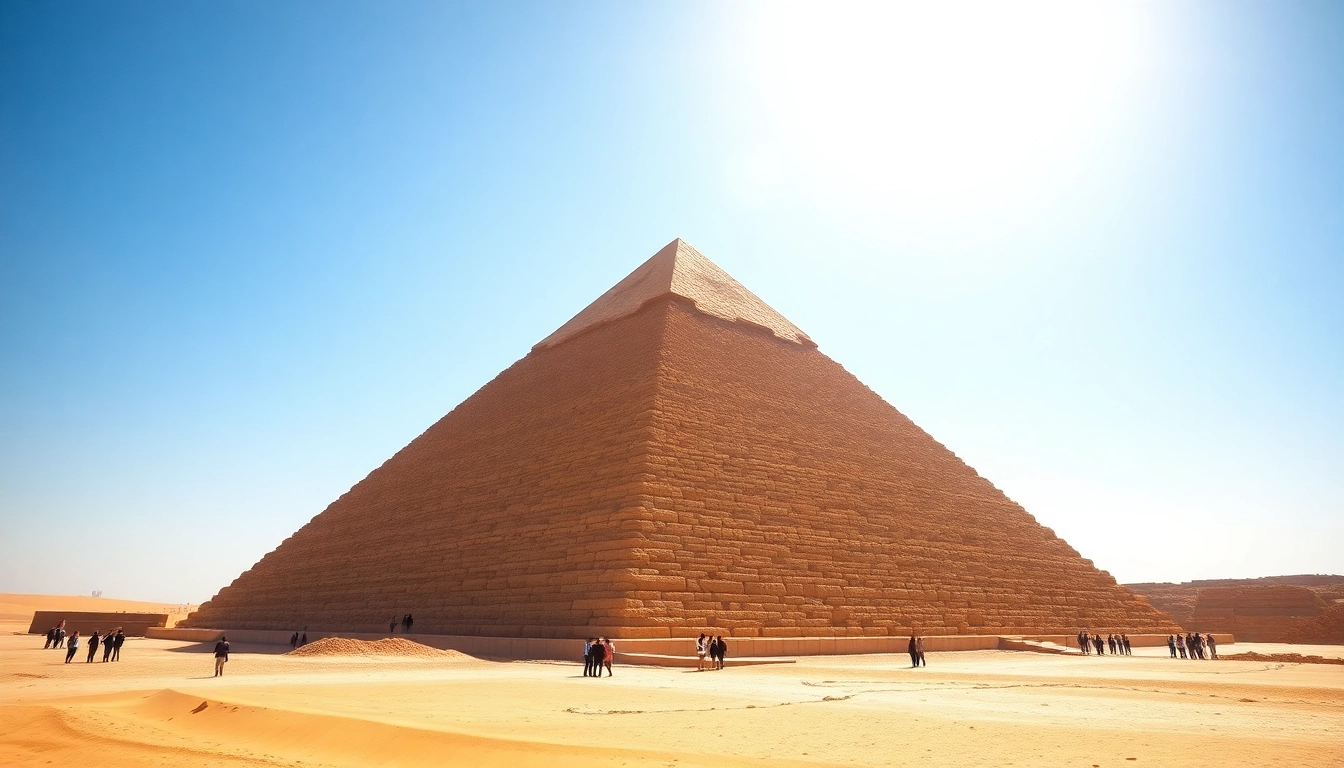
The Enigma of Piraminds
Defining Piraminds and Their Role
Piraminds stand as a unique architectural phenomenon, primarily recognized for their monumental form and deep connections to ancient Egyptian culture. These structures were predominantly built as elaborate tombs for pharaohs, symbolizing their divine status and providing a passage to the afterlife. Unlike mere burial sites, piraminds represented a holistic vision of eternity. As tall stone pyramids surrounded by temples and complex sites, they played a crucial role in religious and civic life. The piraminds became central components in the storytelling of Egypt's civilization and its enduring mysteries.
Historical Context and Significance
The historical significance of piraminds can be traced back to the Old Kingdom of Egypt, around 2600 BCE. The most famous among them, the Great Pyramid of Giza, is an architectural marvel that has withstood the sands of time. Piraminds were more than just burial sites; they were reflections of the social, political, and spiritual ethos of ancient Egyptians. Their construction marked advancements in engineering, labor organization, and resource management. The grandeur of these structures embodies the ambitions of rulers, showcasing their power and the societal hierarchy prevalent during that time. They also served as focal points for pilgrimage and worship, reinforcing the connection between life on earth and the afterlife.
Myths and Legends Surrounding Piraminds
Throughout history, piraminds have been shrouded in myths and legends that contribute to their allure. Stories of magical dimensions, hidden chambers, and the presence of curses have captured the imaginations of generations. Some legends suggest that piraminds were built by extraterrestrial beings due to their precise alignments and monumental scale. Additionally, tales of treasure hidden within their depths prompted treasure hunts that continue to this day. These myths emphasize the cultural significance of the piraminds, blending history with a rich tapestry of folklore that often reflects humanity's desire to understand the divine and the unknown.
Construction Techniques of Piraminds
Materials Used in Building Piraminds
The materials that constitute piraminds underscore the ingenuity of ancient builders. Limestone, granite, and basalt were the primary materials, sourced locally and transported to construction sites. Limestone, easily quarried from nearby Tura and Cairo, formed the core, while the exterior was often clad in Tura limestone to create a polished look. The intricate use of these materials not only demonstrated architectural prowess but also highlighted a sophisticated understanding of regional geology. Each stone block was meticulously crafted, with some weighing several tons. The choice of materials was not solely practical; they embodied the rich aesthetics and cultural symbols tied to the afterlife and divine order.
Engineering Methods and Labor Force
Engineering methods in constructing piraminds reflect a combination of skilled artistry and advanced problem-solving. Contrary to popular belief, the construction did not rely solely on slave labor. Instead, a professional workforce of laborers who were well-fed and well-treated undertook the massive projects. These workers utilized simple machines such as ramps and levers to hoist stones into place. Evidence suggests that a system of sledges was employed to drag stones across the desert sands, with water being poured to reduce friction. Collaborative teamwork and organized labor were essential, embodying a remarkable degree of societal cooperation and planning that facilitated the monumental achievements seen in the piramids.
Technological Innovations of Ancient Egyptians
The technological innovations of the ancient Egyptians during the piramid construction era were groundbreaking. Notable among these was the development of measuring tools that ensured precise alignments, which was critical for the structure's longevity. Additionally, the construction of complex surveying instruments enabled architects to work with great accuracy, reflecting deep astronomical and mathematical knowledge. The use of geometry in pyramid layout, allowing for the precise orientation toward the stars, signifies not just an engineering feat but also an alignment with spiritual beliefs. These innovations were vital in achieving the stability and majestic appearance that piraminds are renowned for today.
Exploring the Cultural Impact of Piraminds
Piraminds in Ancient Egyptian Religion
Piraminds were inextricably linked to the religious practices of ancient Egyptians. They were viewed not merely as tombs but as gateways to the afterlife, ensuring that pharaohs could ascend to the heavens. The pyramid's shape itself is symbolic, representing the rays of the sun, which played a crucial role in religious mythology. Rituals performed at piraminds emphasized the cycle of life, death, and rebirth, intertwining with the worship of gods like Osiris and Ra. The layout of the pyramid complex, often comprising temples and offering chapels, further illustrates its importance as a site of worship and power, embedding the presence of divine elements within the very fabric of society’s existence.
Art and Literature Inspired by Piraminds
The artistic and literary expressions surrounding piraminds reveal their deep cultural resonance. Ancient texts, including the Pyramid Texts, served as inscriptions that guided pharaohs into the afterlife, filled with prayers and spells. Artworks depicting the piraminds showcase not only their grandeur but also embed narratives of gods and the cosmos, reflecting the significant interplay between architecture and mythology. Over centuries, artists and writers have drawn inspiration from piraminds, embedding them within modern literature, film, and art, depicting them as symbols of mystery and grandeur that continue to captivate the imagination and inspire creativity.
Piraminds as Symbols of Power and Authority
Piraminds are emblematic of the power and authority of the rulers who commissioned them, acting as monumental statements of their civilization’s capabilities. They symbolize the divine ruling status of the pharaohs and their intimate connection to cosmic forces. The massive scale of these structures communicated not only the wealth but also the technological and human resources available to these leaders. Furthermore, they served as potent reminders of the societal hierarchy, where the construction of such a monumental tomb was reserved for the elite, reflective of a structured class system that defined ancient Egyptian society.
Modern Implications of Piraminds
Tourism and Economic Benefits from Piraminds
In contemporary times, piraminds are pivotal to Egypt's tourism industry, attracting millions of visitors from around the globe. The economic benefits generated from tourism are immense, fostering jobs in various sectors like hospitality, transport, and local artisanship. The revenue from ticket sales, guided tours, and cultural experiences surrounding the piraminds plays a vital role in bolstering the Egyptian economy. As custodians of heritage, modern governments focus on sustainable tourism practices that conserve these ancient structures while ensuring that the economic benefits are shared with local communities, enhancing both historical preservation and community welfare.
Piraminds in Contemporary Popular Culture
The fascination with piraminds extends far beyond history into contemporary popular culture. They appear frequently in films, video games, and literature, often depicted as settings filled with adventure, mystery, and intrigue. These portrayals not only reflect society's ongoing admiration for these monuments but also emphasize their symbolic meanings as gateways to untold stories and mysteries of ancient civilizations. The piramids have thus become cultural icons, bridging the past and present while inspiring a continued exploration of architecture, history, and the human experience.
Conservation Efforts and Challenges
Preserving piraminds poses significant challenges due to environmental factors, tourism pressure, and urban development. Conservation efforts aim to protect these ancient structures while balancing the influx of tourists. Strategies include implementing stringent regulations on visitation, investing in scientific research for restoration, and fostering local engagement in preservation initiatives. Modern technologies, such as 3D scanning, are used to analyze the structural integrity of the piramids, ensuring they withstand the test of time. These efforts reflect a commitment to sustain not only the physical structures but also the cultural narratives they embody, safeguarding Egypt's legacy for future generations.
FAQs About Piraminds
What is the purpose of the piraminds?
Piraminds served primarily as tombs for pharaohs, ensuring their journey to the afterlife through elaborate burial practices.
How were the piraminds constructed?
Construction involved a massive labor force using limestone blocks, advanced engineering techniques, and tools like ramps and sledges.
What do piraminds symbolize?
Piraminds symbolize power, eternity, and the connection between the earthly realm and the divine in ancient Egyptian culture.
Why are piraminds important today?
Piraminds hold significant historical value, attracting millions of tourists and inspiring modern architecture worldwide.
How have piraminds influenced modern architecture?
The design and engineering of piraminds have inspired iconic structures globally, emphasizing grandeur and resilience in architecture.