1. What is an AI Employee?
1.1 Definition and Overview
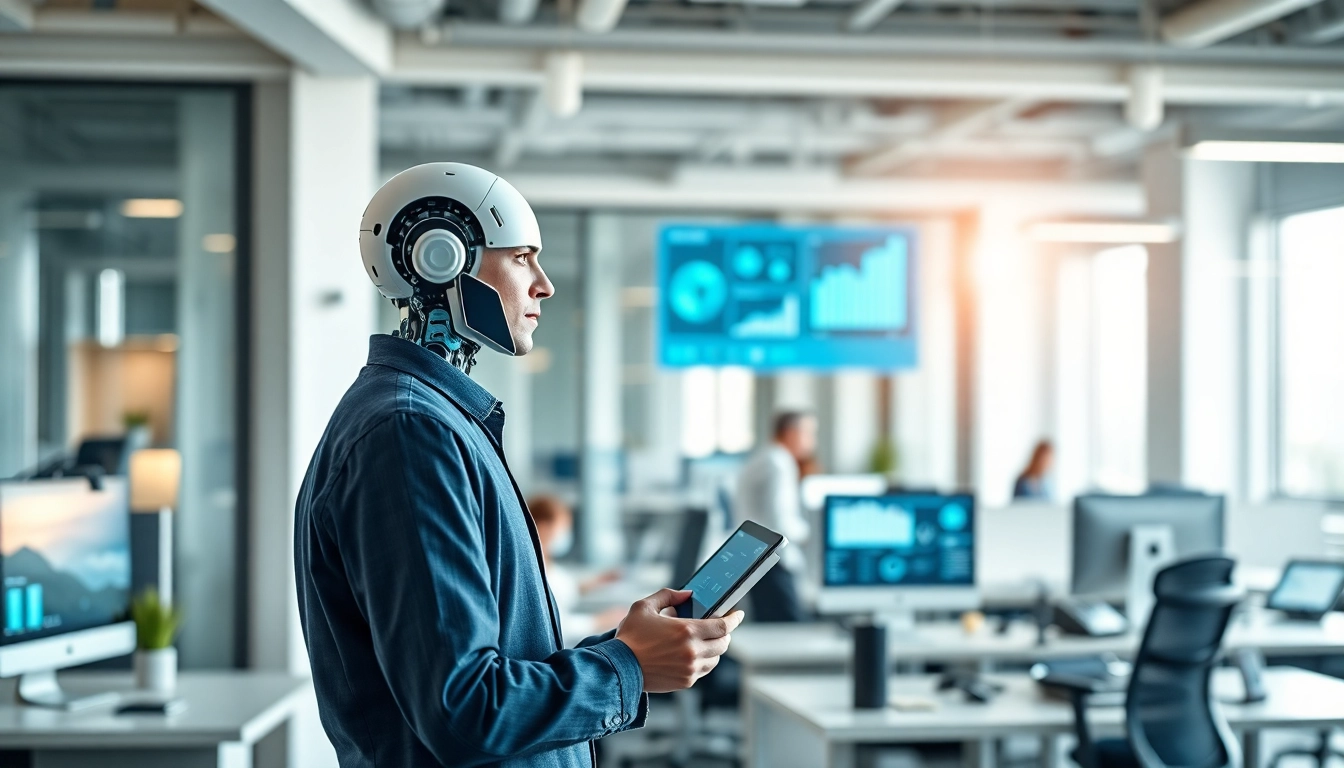
An AI Employee is a digital agent that leverages artificial intelligence technologies to perform tasks traditionally carried out by human employees. These tasks can include data processing, customer service, decision-making support, and more. AI Employees work alongside human teams to enhance efficiency, reduce operational costs, and provide round-the-clock service capabilities. Their adaptability allows them to fulfill various roles in diverse industries, making them a versatile asset for modern businesses. By utilizing AI Employee technologies, companies can automate mundane tasks, enabling human workers to focus on higher-value activities.
1.2 How AI Employee Functions
AI Employees function through a blend of algorithms, machine learning, and advanced data analytics. They are programmed to recognize patterns, understand natural language, and make logical decisions based on past data inputs. For instance, an AI Employee might analyze customer inquiries to provide context-appropriate responses or identify trends in sales data to assist with inventory management. With the continuous improvement of machine learning models, the capabilities of AI Employees are expanding, allowing them to take on increasingly complex roles within organizations.
1.3 Benefits of Integrating AI Employee
Integrating an AI Employee into an organization offers numerous advantages. Firstly, it significantly enhances operational efficiency by automating repetitive tasks. Secondly, as AI Employees do not require breaks or time off, they provide consistent performance and support. Thirdly, businesses can scale their operations without proportionately increasing their workforce. Moreover, AI Employees can analyze vast data sets quickly, driving smarter decision-making processes. Finally, they improve customer interactions by offering faster and more accurate responses, ultimately leading to higher satisfaction rates.
2. The Technology Behind AI Employees
2.1 Key Technologies Used
The backbone of AI Employee technology comprises several key components, including natural language processing (NLP), machine learning (ML), and data analytics. NLP enables AI Employees to comprehend and process human language, allowing for effective communication with users. Machine learning algorithms, particularly deep learning, enable these systems to learn from data over time, improving their accuracy and decision-making capabilities. Data analytics plays a crucial role as it provides the insights and trends that drive AI functionalities.
2.2 Role of Machine Learning
Machine learning is central to the functionality of AI Employees. It empowers these systems to grow more intelligent over time by analyzing data patterns and adapting their responses based on historical interactions. For example, a customer service AI might initially struggle with understanding unique queries. Still, over time—through reinforcement learning and feedback loop adjustments—its accuracy and effectiveness in addressing customer issues improve significantly. This progressive learning approach ensures that AI Employees remain relevant and effective in their roles.
2.3 Data Analytics and AI Employee
Data analytics plays a pivotal role in enhancing the decision-making capabilities of AI Employees. By sifting through large volumes of data, AI systems can uncover patterns and predictions that inform strategic choices. For instance, data analytics can help in understanding customer behavior trends, leading to personalized marketing efforts or improved service offerings. This data-driven approach allows organizations to allocate resources more effectively, anticipate market demands, and foster innovation.
3. Implementing AI Employee in Your Organization
3.1 Steps for Deployment
Successful implementation of AI Employees involves several key steps:
- Assessment of Needs: Identify the specific tasks and challenges that an AI Employee could address in your organization.
- Technology Selection: Choose the right AI tools and platforms that align with your business requirements and offer scalability.
- Pilot Testing: Conduct a pilot phase to assess the functionality, gather feedback, and make necessary adjustments before full deployment.
- Full Implementation: Roll out the AI Employee across the organization, ensuring communication and support are in place for all staff.
- Monitoring and Optimization: Continuously monitor performance and optimize processes for better results.
3.2 Training and Support
A critical aspect of integrating AI Employees is providing adequate training and support for human employees. This involves training existing staff on how to work with AI systems efficiently and fostering an environment that promotes collaboration between humans and AI. Training sessions should include hands-on practices, a comprehensive overview of the AI's capabilities, and guidelines for troubleshooting. Ensuring that employees are comfortable and knowledgeable about the AI tools will enhance productivity and mitigate resistance to adoption.
3.3 Customizing AI Employee for Specific Needs
Customizing AI Employees to meet the unique demands of a business is essential. Organizations should collaborate with AI vendors to tailor functionalities that cater to their specific use cases. This includes programming the AI to recognize industry-specific jargon, preferences, and standard operation procedures. By aligning the AI Employee's capabilities with the organization's objectives and culture, businesses can maximize the benefits and drive better adoption rates among employees.
4. Challenges and Considerations
4.1 Common Pitfalls in AI Implementation
Despite the advantages of AI Employees, there are several challenges organizations may face during implementation. Common pitfalls include:
- Lack of Clear Objectives: Organizations often fail to define clear goals for AI implementation, leading to misalignment with business needs.
- Underestimating Change Management: Neglecting to address human concerns and potential resistance can hinder integration efforts.
- Inadequate Data Quality: Implementing AI without ensuring high-quality data can lead to incorrect outputs and ineffective decision-making.
- Overreliance on Technology: Removing human input entirely from decision-making processes can have negative consequences.
4.2 Ethical Implications of AI Employee
The rise of AI Employees brings forth significant ethical considerations, including data privacy, job displacement concerns, and decision-making transparency. Organizations must be mindful of how they collect, use, and manage sensitive information with AI systems. Establishing ethical guidelines and ensuring compliance with regulations will be crucial to maintaining trust with customers and employees alike. Emphasizing an ethical approach to AI deployment can mitigate risks and foster a positive reputation for the company.
4.3 Managing Human-AI Collaboration
To maximize the potential of AI Employees, organizations must actively manage the collaboration between human workers and AI systems. This involves redefining roles to incorporate AI tools effectively while also fostering teamwork and mutual respect. Establishing clear communication channels and encouraging feedback will enable both parties to learn from one another. It is essential to promote a culture where AI helps augment human capabilities rather than replace them, empowering employees to leverage AI solutions in their work.
5. Future Trends of AI Employee
5.1 Innovations on the Horizon
The future of AI Employees promises significant innovations, including advancements in natural language understanding, emotional intelligence, and enhanced machine learning algorithms. These advancements will make AI Employees capable of engaging in more complex interactions with human staff and customers, enabling more personalized experiences. Additionally, the integration of AI with technologies such as augmented reality and the Internet of Things (IoT) could provide even greater opportunities for automation and efficiency in the workplace.
5.2 Impact on Job Markets
As AI technology continues to evolve, it is expected to bring about changes in job markets across various industries. While some jobs may be displaced, others will emerge that require a new skillset focused on collaborating with AI technologies. Organizations must prepare their workforce for these changes by investing in training and reskilling initiatives. By fostering a culture of lifelong learning, businesses can help employees adapt to evolving roles and maintain a competitive edge in the marketplace.
5.3 Strategies for Staying Ahead
To remain at the forefront of AI Employee advancements, organizations should adopt a proactive strategy toward innovation. This includes regularly assessing technological trends, participating in industry forums, and investing in research and development. Moreover, fostering partnerships with AI technology providers can facilitate access to the latest tools and knowledge. Encouraging a culture of experimentation and open-mindedness will enable organizations to adapt quickly to changes and seize new opportunities presented by AI advancements.
FAQs about AI Employee
What tasks can AI Employees perform?
AI Employees can automate various tasks such as data entry, customer service, scheduling, and data analysis, enhancing efficiency across organizations.
Are AI Employees reliable?
AI Employees are highly reliable for performing predefined tasks, but their effectiveness depends on the quality of the data and algorithms used.
How do AI Employees learn?
AI Employees learn primarily through machine learning algorithms that analyze data, adapt their responses, and improve their performance over time.
Can AI Employees replace human workers?
While AI Employees can automate tasks traditionally performed by humans, they are more suited to complement human roles rather than replace them entirely.
What industries benefit from AI Employees?
AI Employees can benefit various industries including customer service, finance, healthcare, logistics, and marketing by enhancing efficiency and productivity.