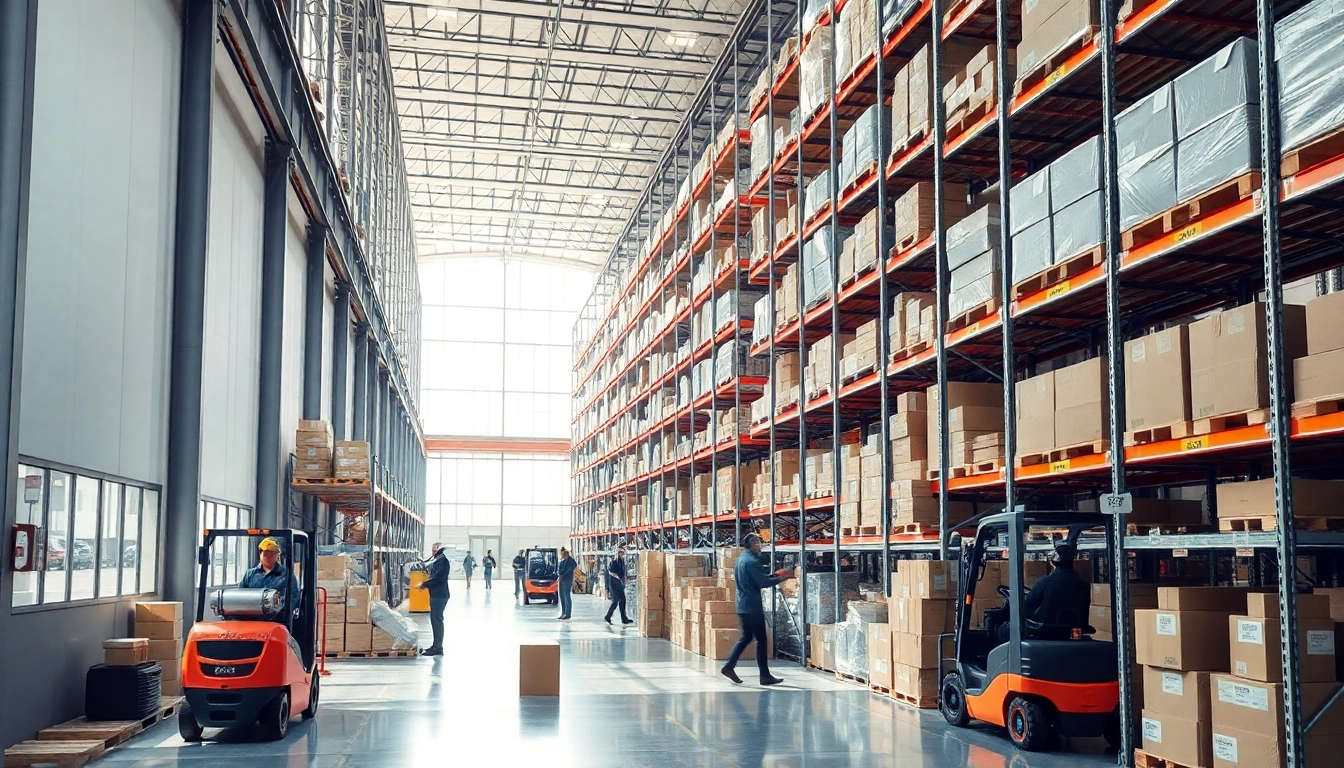
Introduction to Warehousing
In the fast-paced realm of modern commerce, understanding the intricacies of warehousing has become undeniably crucial for businesses striving to stay competitive. Warehousing refers to the process of storing goods until they are ready for distribution, and its importance extends far beyond just inventory management. As businesses adapt to changing market demands, efficient warehousing solutions are integral to successful logistics and supply chain management. This article will explore the definition, historical development, and vital role of warehousing within supply chains.
Definition of Warehousing
Warehousing is fundamentally defined as the act of storing goods or materials in a designated space until they are needed for further processing, selling, or distribution. This process involves a variety of functions including the reception of incoming products, their proper storage and inventory control, and the handling and dispatching of goods to their respective destinations. Warehouses serve different purposes depending on their configuration, size, and the specific requirements of the businesses they support.
Historical Development of Warehousing
The concept of warehousing dates back centuries, evolving alongside trade and commerce. In ancient civilizations, a rudimentary form of warehousing can be observed in granaries where farmers would store surplus grain. As economies expanded and trade routes emerged, more sophisticated structures were developed to house various goods, leading to the establishment of warehouses in urban centers by the Middle Ages. In the modern era, the advent of industrialization catalyzed the growth of warehouses, with innovations in construction, storage techniques, and transportation shaping the facilities we see today.
Importance of Warehousing in Supply Chains
In the context of supply chains, warehousing plays a pivotal role as a critical link between production and distribution. It serves several essential purposes, including:
- Inventory Management: Warehousing allows companies to store products in anticipation of demand, effectively managing inventory levels and minimizing stockouts.
- Transportation Management: By centralizing inventory, businesses can optimize their transportation logistics, reducing shipping costs and improving delivery times.
- Order Fulfillment: Warehouses act as hubs for handling and fulfilling orders, improving the efficiency of customer service and satisfaction rates.
- Risk Mitigation: Storing goods helps businesses mitigate risks associated with supply chain disruptions, ensuring that they can respond quickly to changes in demand or logistics issues.
Types of Warehousing
Public vs. Private Warehousing
Understanding the various types of warehousing facilities is essential for businesses looking to optimize their logistics strategies. Broadly, warehousing can be categorized into two types: public and private warehousing.
Public Warehousing services are available for rent by any business, making them a flexible solution that can be used as needed. These facilities cater to multiple clients and are often utilized by small to medium-sized enterprises that do not require a dedicated storage space. This type of warehousing allows companies to manage cash flow better since they only pay for the storage space they use.
Private Warehousing, on the other hand, is owned and operated by a single company that needs its own facility for extensive storage needs. These warehouses provide companies with more direct control over operations, storage configurations, and inventory management practices. However, they come with higher fixed costs due to investment in real estate and operational facilities.
Distribution Centers and Fulfillment Centers
Within the categories of public and private warehousing, two specialized forms emerge: distribution centers and fulfillment centers. Both serve essential roles in the supply chain but function differently.
Distribution Centers focus primarily on the storage and distribution of goods. These facilities are designed for the efficient handling of products, with advanced logistics technology to facilitate quick and accurate order processing. They help optimize supply chain efficiencies by acting as a central node for shipping products to various retail locations or directly to customers.
Fulfillment Centers are specifically tailored to e-commerce, where the core function is to pick, pack, and ship products directly to end customers. These centers streamline order processing by leveraging technology, such as automated systems and software, to manage inventory levels and ensure timely dispatches. As online shopping continues to grow, the prominence of fulfillment centers in the warehousing landscape increases significantly.
Specialized Warehousing Solutions
In addition to traditional warehousing types, several specialized solutions cater to unique industry needs. These include:
- Refrigerated Warehousing: Crucial for perishable goods, refrigerated warehouses maintain specific temperature controls to ensure product integrity during storage.
- Bonded Warehousing: Used primarily by importers, these warehouses allow for the storage of goods without the immediate payment of customs duties, deferring costs until the goods are released.
- Hazardous Material Warehousing: These facilities are designed to store materials that may be toxic or flammable, adhering to stringent safety protocols to protect both the products and the environment.
Best Practices in Warehousing Operations
Inventory Management Techniques
Effective inventory management is crucial to optimizing warehousing operations. Companies can employ several techniques to ensure an efficient flow of goods:
- Just-in-Time (JIT): This strategy reduces inventory costs by receiving goods only as they are needed for production or sales, minimizing the amount of stock held.
- ABC Analysis: Segmenting inventory based on value and turnover rates allows businesses to prioritize their focus on high-impact items, leading to improved resource allocation and management.
- Cycle Counting: Regularly and systematically checking inventory helps maintain accurate records and can identify issues before they escalate into significant problems.
Automation and Technology in Warehousing
Incorporating technology into warehousing operations can significantly enhance efficiency and reduce errors. Modern warehouses often utilize:
- Warehouse Management Systems (WMS): These software solutions provide real-time tracking of inventory, streamline order fulfillment processes, and facilitate communication across supply chain networks.
- Automation Tools: Automated systems such as conveyor belts, robotic pickers, and autonomous vehicles help improve the speed and accuracy of order processing.
- Data Analytics: Utilizing data analytics can help businesses forecast demand, optimize layout and storage strategies, and enhance overall operational decision-making.
Safety and Compliance Measures
Warehouse safety is paramount to protect employees and inventory alike. Establishing robust safety measures and compliance protocols is essential. Key components include:
- Regular Training: Providing employees with ongoing training on safety procedures, equipment handling, and emergency protocols can reduce workplace incidents.
- Safety Equipment: Ensuring the availability of necessary safety gear like helmets, gloves, and protective eyewear for staff can prevent injuries.
- Inspections: Conducting frequent safety inspections and audits to monitor compliance with regulations such as OSHA standards ensures ongoing adherence to best practices.
Challenges in the Warehousing Industry
Adapting to E-commerce Growth
The surge of e-commerce has transformed the warehousing landscape, presenting both challenges and opportunities. Warehouses must adapt to meet the rising consumer expectations for fast and reliable delivery services. To navigate these challenges, businesses are increasingly investing in technology—such as augmented reality for improved picking accuracy and optimized layouts to accelerate shipping processes.
Managing Operational Costs
Balancing operational costs while maintaining service levels is a constant challenge for warehouses. Rising rent prices, labor costs, and the need for advanced technology can strain budgets. To manage costs, organizations should focus on process optimization, reducing waste, and implementing performance metrics to identify and address areas where savings can be achieved.
Supply Chain Disruptions and Solutions
Global supply chain disruptions due to geopolitical tensions, natural disasters, or pandemics can severely impact warehousing operations. Proactive risk management strategies including diversifying suppliers, enhancing supplier relationships, and increasing buffer stock levels provide companies with flexibility and resilience against unforeseen challenges.
Future Trends in Warehousing
Sustainability Practices in Warehousing
Green warehousing practices are gaining traction as businesses seek to reduce their carbon footprint and enhance sustainability. Companies are implementing eco-friendly initiatives such as energy-efficient lighting, solar panels, and waste reduction programs. These practices not only support environmental stewardship but also appeal to an increasingly environmentally-conscious consumer base.
Impact of AI and Robotics
The integration of artificial intelligence and robotics into warehousing operations is revolutionizing the industry. AI algorithms can analyze vast amounts of data to optimize inventory levels, predict demand fluctuations, and automate decision-making processes. Meanwhile, robotics streamline warehouse operations by performing repetitive tasks with high precision and speed, thus freeing up human workers to focus on more complex responsibilities.
Innovations Shaping the Future of Warehousing
Emerging technologies such as blockchain for transparent supply chains and Internet of Things (IoT) for real-time inventory management are transforming warehousing. These innovations enhance visibility, traceability, and collaboration across the supply chain, paving the way for more efficient and customer-centric operations.
As we proceed into the future, warehousing will continue to evolve, adapting to new challenges and harnessing advanced technologies to meet the demands of a rapidly changing market landscape. Businesses that embrace these changes and invest in innovative solutions will be better positioned to thrive in an increasingly competitive environment.