
Choosing the Right License Plate Recognition Camera for Your Needs
- Understanding License Plate Recognition Camera Technology
- Common Applications of License Plate Recognition Cameras
- Factors to Consider When Purchasing a License Plate Recognition Camera
- Best Practices for Installing License Plate Recognition Cameras
- Future Trends in License Plate Recognition Camera Technology
- FAQs
Understanding License Plate Recognition Camera Technology
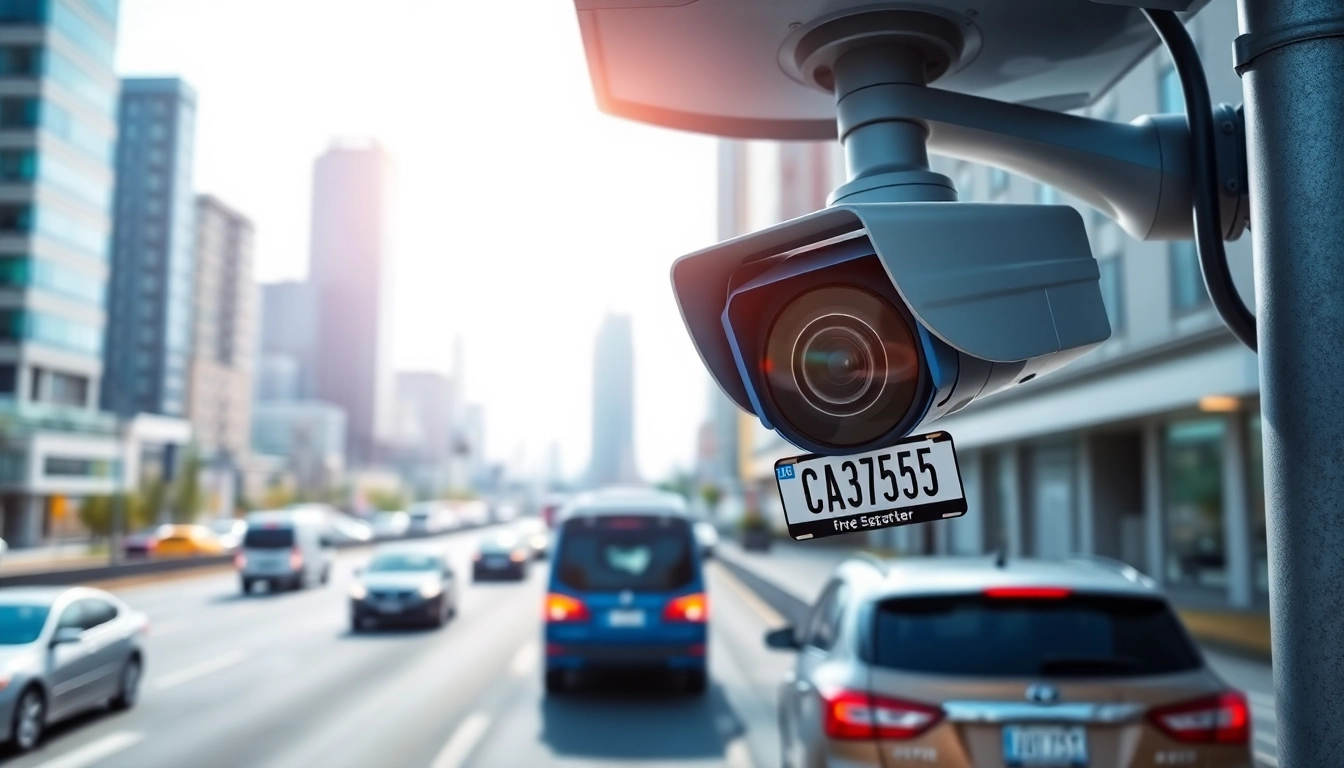
The growth of smart surveillance technology has significantly enhanced our ability to monitor and track vehicles. At the forefront is the license plate recognition camera, a specialized device designed for quick and efficient vehicle identification using license plates. This technology plays a critical role in various fields, including law enforcement, parking management, and traffic analysis.
What is a License Plate Recognition Camera?
A license plate recognition camera is an advanced monitoring system that captures images of license plates and converts them into digital data for various applications. Unlike standard cameras, LPR cameras utilize specific technology designed to read alphanumeric characters in varying conditions. This function enables extensive data analysis, enhancing overall vehicle tracking, security, and regulatory compliance.
How Does License Plate Recognition Work?
The process that a license plate recognition camera employs can be summarized in several key steps. When a vehicle drives within the camera’s field of vision, the following occurs:
- Image Capture: The camera captures a high-resolution image of the vehicle’s license plate.
- Character Recognition: Using Optical Character Recognition (OCR) technology, the software extracts the letters and numbers displayed on the license plate.
- Data Storage: The recognized data is transmitted to a server or database for storage and management.
- Alarm Triggering: If integrated with security systems, alerts can be generated if a vehicle is flagged for any reason.
This combination of hardware and software allows real-time tracking and identification, crucial for law enforcement and security measures.
Key Features of License Plate Recognition Cameras
When selecting a license plate recognition camera, certain features are paramount for ensuring optimal performance:
- High Resolution: Essential for capturing clear images under different conditions.
- Night Vision Capability: Enables functionality in low-light environments.
- Fast Processing Speed: Vital for real-time data capture and analysis.
- Data Integration: The ability to seamlessly connect with existing security systems and databases.
- Mobile vs. Fixed Positioning: Flexibility in installation according to spatial needs and objectives.
Common Applications of License Plate Recognition Cameras
License plate recognition cameras are versatile tools employed across various sectors. Here’s a detailed look at their primary applications:
Law Enforcement and Security Monitoring
The integration of license plate recognition technology in law enforcement offers a significant advantage in tracking stolen vehicles, unregistered cars, or identifying repeat offenders. Many police departments utilize LPR cameras mounted on patrol cars or fixed locations to monitor and record vehicular activity actively. These systems can provide real-time alerts on vehicles that match certain criteria, enhancing crime-fighting strategies.
Parking Management Solutions
Parking facilities utilize license plate recognition technology to automate entry and exit points, enhancing operational efficiency. Users can reserve spots ahead of time, and the system will recognize pre-approved vehicles, streamlining the access process while reducing congestion. Furthermore, data collected can help identify trends, usage patterns, and peak times, allowing businesses to optimize their operations effectively.
Traffic Management and Analytics
License plate recognition cameras play a crucial role in traffic management. Data collected offers insights into traffic flow, vehicle counts, and peak traffic times. This information enables city planners and traffic management authorities to make data-driven decisions that can improve road usage, reduce congestion, and enhance the overall commuting experience.
Factors to Consider When Purchasing a License Plate Recognition Camera
Choosing the right license plate recognition camera requires careful consideration of several factors to ensure that the investment meets specific needs:
Resolution and Image Quality
High image resolution is critical for accurate plate recognition, especially at higher speeds or in low-light conditions. Look for cameras that provide at least 1080p resolution. The clearer the image, the higher the accuracy in reading the characters, which directly affects the system’s reliability.
Night Vision and Lighting Conditions
Many vehicles are on the road during nighttime. Cameras equipped with infrared technology or low-light capabilities ensure functionality in dark environments. Ensure that the option selected provides good performance in both day and night scenarios for maximum coverage.
Integration with Existing Systems
Consider how well the camera can integrate with your existing systems. Whether it’s a digital surveillance system, alarm systems, or other databases, seamless connectivity enhances functionality and ensures that you can extract the full value from your investment.
Best Practices for Installing License Plate Recognition Cameras
To achieve the best outcomes from your license plate recognition cameras, it’s essential to adhere to industry best practices during installation:
Selecting Optimal Locations for Installation
The placement of cameras is crucial for maximum efficiency. Install cameras at key entry and exit points of parking lots, toll booths, or near road intersections for comprehensive coverage. Ensure that the camera angle captures the plate clearly without obstructions.
Calibration and Configuration Steps
Calibrating the camera for optimal performance involves adjusting the focus and ensuring the system settings are configured accurately for the specific environment. This step is vital in minimizing the risk of errors in data capture.
Routine Maintenance and Monitoring
Regular maintenance checks are critical to ensuring that cameras function effectively. This includes cleaning lenses to prevent dirt buildup and conducting software updates for improved processing capabilities. Monitoring system operations helps identify issues proactively.
Future Trends in License Plate Recognition Camera Technology
The landscape of license plate recognition technology continues to evolve, driven by advancements in software, AI, and increasing concerns about data privacy:
Advancements in Software and AI Capabilities
Continuous improvements in software algorithms enhance the recognition accuracy and efficiency of license plate recognition cameras. Emerging AI technologies allow for better pattern recognition and predictive analytics, providing users with comprehensive vehicle monitoring and reporting capabilities.
Increased Privacy and Data Protection Measures
With the rise in vehicle tracking and monitoring, there is an ongoing push towards robust privacy frameworks. The development of encryption technologies and data minimization practices ensures that sensitive data collected by license plate recognition cameras is adequately protected and compliant with privacy laws.
The Future of Smart City Integrations
The integration of license plate recognition cameras into wider smart city frameworks represents a significant trend. By connecting with IoT devices and data networks, these cameras can assist in managing urban resources more efficiently, improving traffic flow, and contributing to public safety initiatives.
FAQs
What is the primary use of a license plate recognition camera?
The primary use is to capture and analyze license plate information for applications such as law enforcement tracking, parking management, and traffic analysis.
Do license plate recognition cameras work in low light?
Yes, many license plate recognition cameras are equipped with night vision capabilities, allowing them to function effectively in low-light conditions.
Can license plate recognition cameras be integrated with other systems?
Absolutely! Most license plate recognition cameras can be integrated with existing security systems, databases, and management software for enhanced functionality.
Are license plate recognition cameras easy to install?
While installation can vary, many systems are designed for straightforward setups. However, it’s recommended to follow best practices for optimal performance.
What is the average cost of a license plate recognition camera?
Pricing can vary significantly based on features and capabilities, ranging from a few hundred to several thousand dollars per camera depending on specifications.