
Creating Impactful ai avatars: A Comprehensive Guide for Engagement
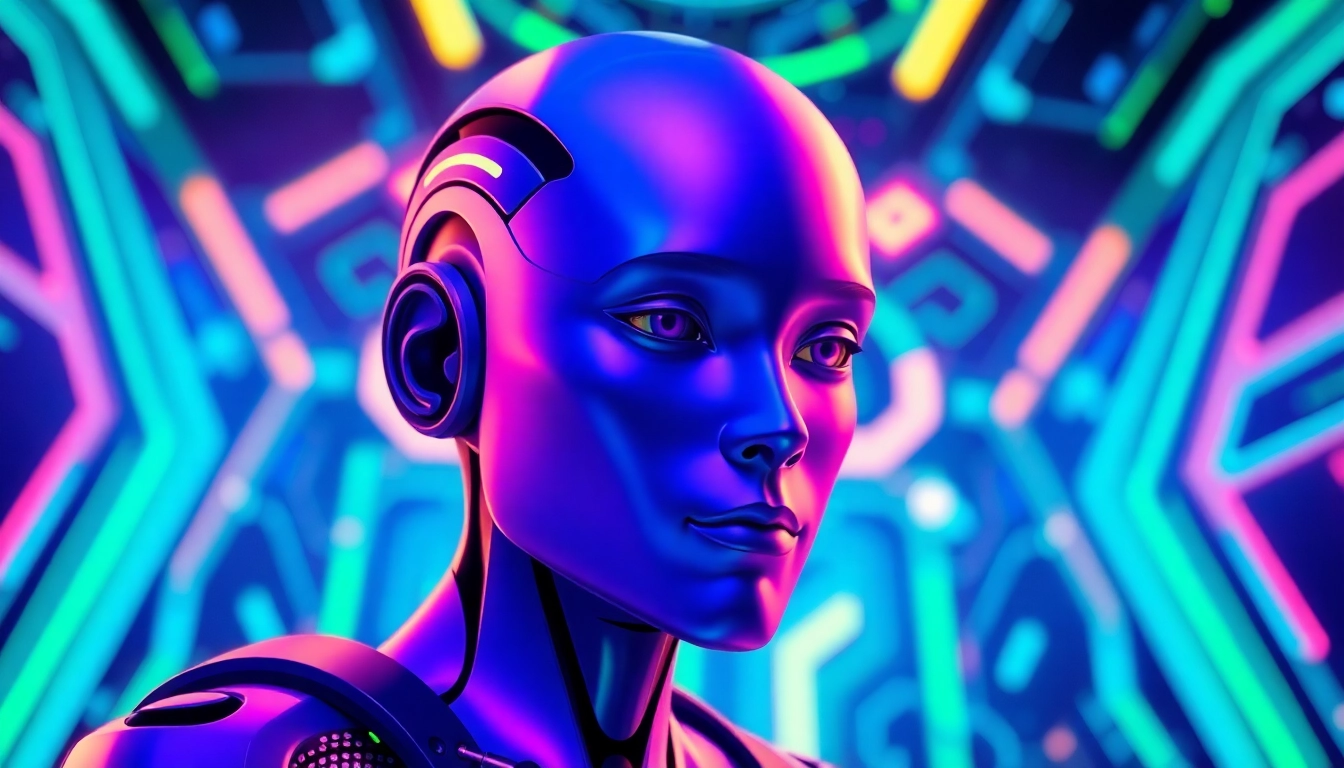
Understanding ai avatars: Definition and Importance
What is an ai avatar?
An ai avatar is a digital representation of an individual or character often powered by artificial intelligence (AI). These avatars can take many forms, such as 2D illustrations or 3D animated figures, and are designed to interact with users in various ways, mimicking human-like behavior and responses. Unlike traditional avatars, ai avatars can employ machine learning algorithms to adapt and learn from their interactions with users, making them more engaging and responsive.
Why are ai avatars essential for modern digital interaction?
The significance of ai avatars lies in their ability to enhance user engagement and facilitate communication in increasingly digital environments. As businesses and platforms transition online, creating an interactive, personalized experience becomes crucial. Ai avatars serve as intermediaries, allowing users to interact with digital content in a more human-like manner. This enhances user retention and satisfaction while providing organizations with valuable insights into user preferences and behaviors. Moreover, ai avatars have applications spanning customer service, education, entertainment, and virtual reality, making them indispensable in various sectors.
Key features of effective ai avatars
Effective ai avatars possess several key features that enhance their functionality and user engagement:
- Realism: A lifelike appearance and demeanor can increase relatability and user trust.
- Personalization: Tailoring responses, dialogue, and interactions based on user data for a more customized experience.
- Interactivity: The ability to respond to user inputs in real time, adapting to their preferences and behaviors.
- Emotional intelligence: Understanding and responding to user emotions through tone, facial expression, and language.
- Multilingual capabilities: Providing support in various languages to cater to a diverse user base.
Crafting Your ai avatar: Step-by-Step Process
Choosing the right design elements for your ai avatar
The design of your ai avatar plays a crucial role in how users perceive and interact with it. Key design elements to consider include:
- Appearance: Choose colors, shapes, and features that resonate with your target audience.
- Voice and Tone: Define the personality of your avatar through its voice and language style.
- Gestures and Expressions: Plan how your avatar will express emotions and non-verbal cues through animations.
Conducting audience research can provide insights into what design elements are most effective in engaging your specific demographic.
Tools and software for creating an ai avatar
To bring your ai avatar to life, a multitude of tools and software options are available. Popular choices include:
- 3D Modeling Software: Tools like Blender or Maya for creating 3D avatars.
- Animation Software: Programs such as Adobe Character Animator or Daz 3D for adding movement to your avatar.
- AI Platforms: Utilize AI APIs like Google Dialogflow or Microsoft Bot Framework to enhance interactivity and learning.
Choosing the right combination of tools will depend on your avatar’s capabilities and the complexity you wish to achieve.
Testing and refining your ai avatar
Once you’ve created your ai avatar, testing is crucial for ensuring it meets user expectations. Here are some steps for refining your avatar:
- User Feedback: Gather input from users about their experience interacting with the avatar.
- A/B Testing: Test different designs, interactions, and dialogues to determine what works best.
- Analytics: Utilize data-driven insights to analyze performance outcomes and user engagement metrics.
Applications of ai avatars in Various Fields
Using ai avatars in business for customer engagement
In the business realm, ai avatars are becoming key tools for enhancing customer engagement. They can serve as virtual customer service representatives, guiding users through product selections, answering questions, and assisting with transactions. By integrating an ai avatar into live chat systems, businesses can provide 24/7 support, improving customer satisfaction and operational efficiency. Case studies have shown that companies using ai avatars enjoy higher retention rates due to quick, interactive customer service experiences.
ai avatars in virtual reality and gaming environments
In gaming and virtual reality, ai avatars are pivotal in creating immersive experiences. Players interact with avatars that respond in real time, integrating advanced AI to enhance narrative elements. Games can offer personalized storylines and gameplay through ai avatars, providing dynamic experiences that adjust based on player choices. This not only improves player engagement but can also significantly raise retention rates, as users are more likely to return to experiences that adapt uniquely to their interactions.
Integrating ai avatars in educational platforms
In educational settings, ai avatars can be instrumental in facilitating personalized learning experiences. They can act as virtual tutors, offering tailored instruction based on a student’s unique learning pace and style. Ai avatars can engage students through interactive lessons, quizzes, and feedback mechanisms, making learning more enjoyable and effective. The potential for ai avatars in education is vast, with opportunities for scalability and accessibility that traditional learning models may not accommodate.
Best Practices for Effective ai avatars
Boosting user engagement through personalization
Personalization is key to enhancing user engagement with your ai avatar. Tailor interactions based on user data, preferences, and historical behavior. Implementing options for users to customize their avatar or interaction style can significantly enhance the overall experience. Personalization not only fosters a sense of connection but also increases the likelihood of users returning to interact with the avatar repeatedly.
Ensuring accessibility and inclusivity in ai avatars
When designing your ai avatar, prioritize accessibility to ensure all users can engage with it effectively. This includes integrating features such as voice recognition for those with mobility impairments and providing support for hearing-impaired users through text or sign language. Additionally, make sure your avatar represents diverse cultures and backgrounds to create an inclusive environment that resonates with a broader audience.
Regular updates and maintenance of ai avatars
Your ai avatar will require ongoing updates to stay relevant and effective. Regularly refresh its capabilities, upgrade software, and incorporate new knowledge or functions based on user feedback and technological advances. This helps maintain the avatar’s engagement levels and ensures it provides timely, accurate information to users.
Future Trends in ai avatars Development
Emerging technologies influencing ai avatar creation
As technology evolves, so does the potential for more sophisticated ai avatars. Emerging technologies like advanced machine learning, deep learning, and natural language processing are making it possible for avatars to understand context and emotions better. This evolution enables them to provide much more nuanced interactions that can resonate emotionally with users, further enhancing their effectiveness.
Predicted trends in user interaction with ai avatars
Looking towards the future, user interaction with ai avatars will likely become increasingly intuitive and fluid. Users may progress from simple text-based interactions to engaging in dynamic conversations that feel more like chatting with a human. This transformation will hinge upon advancements in AI that allow avatars to analyze vocal tones, facial expressions, and even physical gestures to predict user sentiment and adjust responses accordingly.
Potential challenges and solutions in the ai avatar landscape
While the potential of ai avatars is vast, challenges such as data privacy, user trust, and ethical considerations persist. Ensuring that ai avatars respect user data and privacy will be crucial in maintaining trust. Transparent policies regarding how data is used and processed will be essential for overcoming user hesitance. Developing a robust ethical framework and compliance with regulations will safeguard the future of ai avatars and their integration into sensitive applications.
FAQs about ai avatars
1. What is the main purpose of an ai avatar?
The primary purpose of an ai avatar is to enhance user interaction by simulating human-like behaviors, making digital communication more engaging and effective.
2. Can ai avatars be customized?
Yes, users can often customize ai avatars in terms of appearance, voice, and personality traits to better suit their preferences and needs.
3. In what industries are ai avatars being used?
ai avatars are prevalent in various fields, including education, healthcare, business customer service, gaming, and social media platforms.
4. How do ai avatars improve user engagement?
By providing personalized interactions, relevant content, and responsive communication, ai avatars increase user satisfaction and retention.
5. What future developments can we expect for ai avatars?
Future advancements may include more sophisticated AI techniques enabling deeper emotional understanding, improving interactivity, and personalization in user experiences.