
Best Materials for Fly Fishing Boots in Any Season
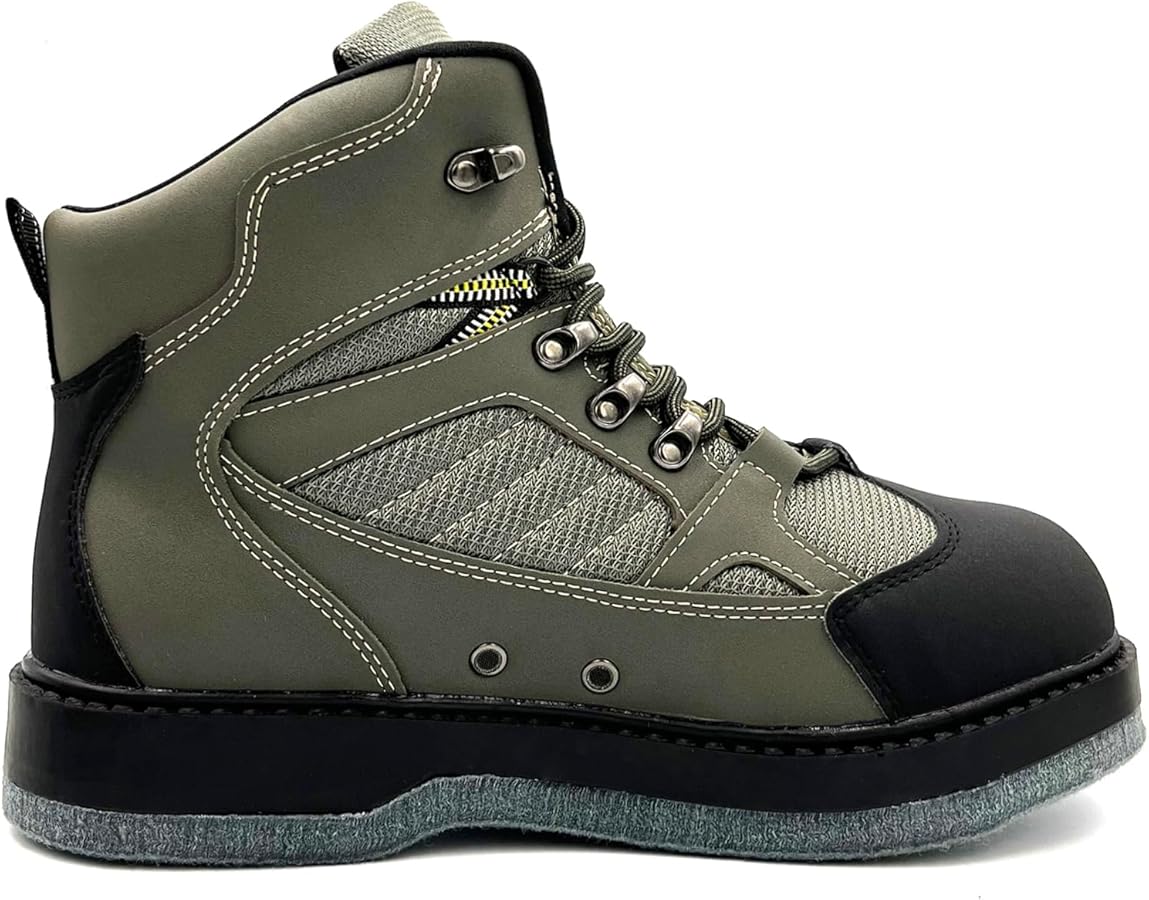
When it comes to fly fishing, having the right footwear is just as important as having a quality rod or line. Fly Fishing Boots play a crucial role in ensuring comfort, stability, and safety while wading through rivers or standing on slippery rocks. Selecting the best materials for your boots can make a significant difference in performance across various seasons, whether you’re fishing in chilly winter streams or warm summer waters. Understanding the options available and their benefits will help you make the right choice for your fishing adventures.
Leather Fly Fishing Boots
Leather is one of the most traditional and popular materials for Fly Fishing Boots. Full-grain leather offers exceptional durability, water resistance, and comfort. Over time, leather boots conform to the shape of your feet, providing a custom fit that enhances stability during long fishing sessions. One downside is that leather requires regular maintenance, such as cleaning and conditioning, to prevent cracking or stiffness. Despite this, leather boots remain a reliable choice for anglers who want long-lasting, season-spanning footwear.
Synthetic Materials for Fly Fishing Boots
Modern Fly Fishing Boots often incorporate synthetic materials like nylon or polyester blends. These materials are lighter than leather and usually dry faster, making them ideal for anglers who frequently wade in wet conditions. Synthetic boots are generally easier to maintain, as they resist stains, dirt, and mold. Additionally, many synthetic boots include waterproof membranes or coatings, offering protection without the weight of traditional leather. They are particularly useful in warmer seasons when breathability and quick drying are essential.
Rubber and Felt Soles
The sole material of Fly Fishing Boots can greatly influence traction and safety. Rubber soles are widely preferred for their durability and grip on wet rocks. They often feature aggressive tread patterns that prevent slipping, even in fast-moving streams. Felt soles, on the other hand, provide excellent traction on mossy surfaces and soft riverbeds. However, felt can wear down quickly and may not be legal in certain areas due to the risk of transporting invasive species. Choosing the right sole material for your boots depends on the type of terrain you fish most often.
Neoprene Boots for Cold Weather
For fly fishing in colder months, neoprene Fly Fishing Boots are a popular option. Neoprene provides excellent insulation and flexibility, keeping feet warm even in icy waters. These boots are typically lighter than leather and feature waterproof properties that protect against long exposure to wet conditions. Many neoprene boots also have reinforced soles to improve grip and durability. If you fish year-round or target winter trout, investing in a good pair of neoprene boots can make a substantial difference in comfort and performance.
Breathable Mesh Fly Fishing Boots
During hot summer days, breathability becomes a key factor. Fly fishing boots with mesh panels or ventilated designs allow air circulation, reducing sweat accumulation and keeping your feet cool. Breathable Fly Fishing Boots are often paired with synthetic or lightweight leather materials to balance support and ventilation. While mesh boots may not be ideal for icy or extremely wet conditions, they excel in maintaining comfort during extended summer fishing trips.
Insulated and Waterproof Boots
Waterproofing is essential for any season, especially for anglers wading in unpredictable waters. Many high-quality Fly Fishing Boots combine waterproof membranes, sealed seams, and durable materials to keep feet dry without sacrificing comfort. Some models also include insulation layers for cold-weather use, making them versatile across multiple seasons. Investing in waterproof boots ensures that you can focus on fishing rather than dealing with soggy, cold feet.
Hybrid Boots for Year-Round Use
For anglers seeking versatility, hybrid Fly Fishing Boots offer a mix of materials to perform well in various conditions. These boots may combine leather uppers with synthetic panels, neoprene lining, or reinforced soles, providing durability, comfort, and adaptability. Hybrid boots are perfect for anglers who fish in multiple climates or who want a single pair that can handle both summer and winter conditions.
Choosing the Right Fit
No matter the material, fit is critical for Fly Fishing Boots. Ill-fitting boots can cause blisters, foot fatigue, and reduced stability. Always consider width, arch support, and ankle height when selecting boots. Trying boots on with the socks you intend to wear while fishing ensures a comfortable and secure fit. Remember, boots may stretch slightly over time, especially leather models, so allow for a small break-in period.
Maintenance Tips for Longevity
Proper care extends the life of Fly Fishing Boots. Leather boots benefit from cleaning, conditioning, and water-proofing treatments. Synthetic and neoprene boots should be rinsed after use and allowed to air dry. Inspect soles regularly for wear and replace them when traction diminishes. Keeping boots clean and well-maintained not only enhances performance but also ensures that they remain comfortable across all seasons.
Conclusion
Choosing the best materials for Fly Fishing Boots depends on the fishing environment, climate, and personal preferences. Leather offers durability and long-term comfort, while synthetic and neoprene materials provide lightweight, season-specific benefits. Sole selection, waterproofing, and proper fit are equally crucial. By understanding the advantages of each material and maintaining your boots properly, you can enjoy a safer, more comfortable, and successful fly fishing experience in any season.