
Choosing Between 125cc and 250cc Beginner Motorcycles: What You Need to Know
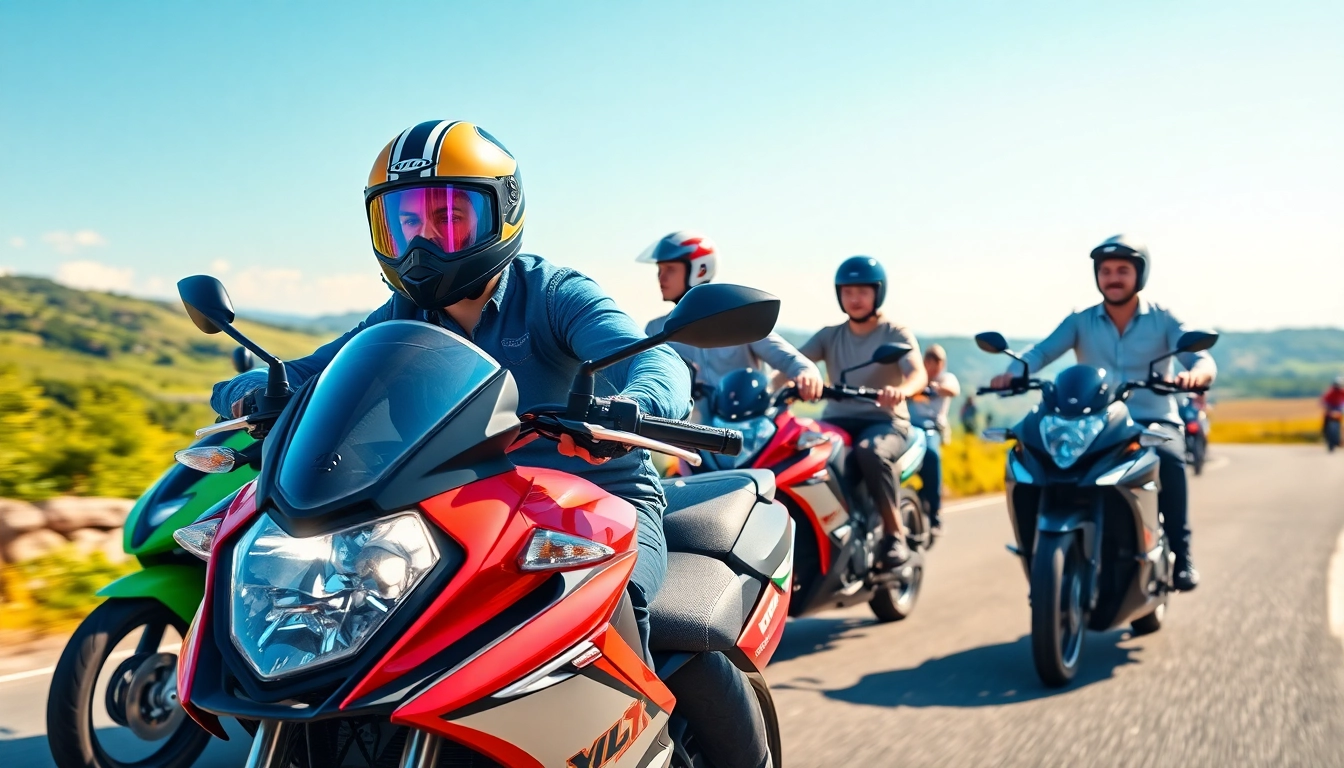
Understanding 125cc and 250cc Beginner Motorcycles
For those who are entering the world of motorcycling for the first time, selecting the right bike is paramount. The 125cc and 250cc beginner motorcycles offer an excellent balance of power and handling that’s particularly suited for new riders. These models provide various advantages, including lower costs, lighter weights, and more manageable power delivery, making them great options for novices. Understanding these motorcycles will help you make an informed choice as you start your riding journey.
What Classifies a Beginner Motorcycle?
A beginner motorcycle is typically defined by certain characteristics that make it accessible to new riders. Key features that qualify a motorcycle as beginner-friendly include:
- Engine Size: Motorcycles with engine sizes under 500cc are generally considered best for beginners. They offer enough power to navigate urban and rural settings without overwhelming new riders.
- Weight: Lightweight models are easier to handle, which contributes to rider confidence. Socially acceptable beginner bikes usually weigh less than 400 pounds.
- Power Delivery: Smooth power delivery is essential for new riders to build their skills without being intimidated by high performance.
Differences Between 125cc and 250cc
Choosing between 125cc and 250cc bikes can significantly affect your riding experience. Here’s a breakdown of the primary differences:
- Power and Handling: 125cc motorcycles are typically lighter and easier to maneuver, making them excellent for city commuting and new riders who are still developing their skills. In contrast, 250cc motorcycles offer more power and could be suited for longer rides or if you plan on taking the bike onto highways.
- Speed and Performance: While 125cc motorcycles typically reach maximum speeds of around 60-75 mph, 250cc models can achieve higher speeds, around 70-100 mph, which can be more exciting for riders looking for thrills.
- Fuel Efficiency: Generally, 125cc bikes enjoy better fuel efficiency than their larger counterparts. However, 250cc models, while slightly less efficient, are still economical for commuting.
Why 125cc and 250cc are Ideal for New Riders
The 125cc and 250cc beginner motorcycles are specifically designed with features that cater to new riders:
- Affordability: These motorcycles tend to be more affordable, both in terms of upfront costs and ongoing maintenance. Moreover, their insurance premiums are generally lower.
- Learning Curve: They allow new riders to learn essential skills such as balancing, turning, and braking without the intimidation of excessive power.
- Variety: The market offers a vast array of options in these categories, allowing riders to choose based on style preferences, ergonomics, and additional features.
Advantages of 125cc and 250cc Beginner Motorcycles
Cost-Effectiveness of Smaller Bikes
When it comes to motorcycles, cost is a critical factor for most new riders. The 125cc and 250cc beginner motorcycles present several financial advantages:
- Purchase Price: These bikes are typically priced much more affordably compared to larger models, making them accessible for first-time buyers.
- Insurance Costs: Insurance for smaller motorcycles is usually lower, allowing riders to save on one of the key expenses of owning a bike.
- Fuel Efficiency: Given their smaller engines, these motorcycles consume less fuel. Riders can save significantly on gas, especially for daily commuting.
Weight and Maneuverability
The weight of a motorcycle can deeply affect its handling and safety:
- Ease of Handling: 125cc motorcycles are often lighter, allowing for easier maneuverability in various riding conditions, which is crucial for new riders entering traffic.
- Confidence Building: New riders often struggle with balance. Lightweight models allow beginners to gain confidence without feeling overwhelmed.
- Parking and Storage: The smaller dimensions of these motorcycles make them easier to park and manage in tight spaces.
License Requirements for 125cc and 250cc
Before you hit the road, it’s essential to understand the licensing requirements:
- Varied Regulations: Depending on your state or country, different laws apply to riding various engine sizes, including options for learner’s permits for smaller bikes.
- Testing: Many regions require a specific motorcycle training course for a license to operate bikes greater than 125cc, impacting your choice based on your licensing needs.
Safety Features to Look for in Beginner Motorcycles
Essential Safety Gear
Safety gear is non-negotiable for any motorcyclist, especially beginners. Essential gear includes:
- Helmet: A quality helmet that meets safety standards is crucial for protection against head injuries.
- Jackets and Pants: Motorcycle-specific jackets and pants made of durable materials provide a defensive layer against abrasion.
- Gloves and Footwear: Proper gloves enhance grip and comfort, while sturdy footwear provides ankle protection.
Motorcycle Stability and Handling
Rider stability is vital for safety, particularly for beginners:
- Frame Design: Features like lower center of gravity and wider handlebars enhance stability and control.
- Suspension Systems: Adjustable or high-quality suspension helps absorb bumps and provides a smoother ride, which is especially beneficial for inexperienced riders.
ABS and Other Advanced Safety Features
Advanced options contribute to safer riding experiences:
- Anti-lock Braking System (ABS): This feature prevents the wheels from locking up during hard braking, enhancing control and stability.
- Traction Control: Some motorcycles come equipped with traction control systems that help prevent rear wheel slip during acceleration, particularly in slippery conditions.
Choosing the Right Model for You
Assessing Personal Riding Goals
Before selecting a motorcycle, consider your riding goals:
- Commuting: If you plan to use your motorcycle primarily for urban commuting, a lightweight model with good fuel efficiency, such as a 125cc, may be ideal.
- Weekend Rides: For longer trips or dual riding, consider a 250cc bike that can provide comfort and power for extended journeys.
Test-Riding Options: Finding the Right Fit
Test rides can help you feel the motorcycle’s capabilities:
- Sit on the Bike: Ensure you can easily reach the handlebars and foot pegs, and that your feet can rest flat on the ground.
- Take a Spin: If the dealer allows, take a test ride on different terrains to understand the bike’s handling and comfort.
Reading Reviews and Recommendations
Before finalizing your choice, conduct thorough research:
- Online Forums: Engage with other motorcyclists for their insights and experiences with certain models.
- Expert Reviews: Reading expert critiques can enlighten you about a bike’s strengths and weaknesses.
Frequently Asked Questions about 125cc and 250cc Beginner Motorcycles
Are 125cc and 250cc good for city commuting?
Yes, both 125cc and 250cc motorcycles are ideal for city commuting due to their maneuverability, ease of parking, and fuel efficiency, making them suitable for urban environments.
What should I consider when starting with beginner motorcycles?
Consider factors such as your riding comfort, experience level, weight of the bike, and intended use (e.g., commuting vs. leisure) when choosing your beginner motorcycle.
How do insurance costs compare for 125cc and 250cc?
Insurance costs for 125cc motorcycles are generally lower due to their smaller engine size, while 250cc motorcycles may incur slightly higher premiums, though still affordable for beginners.
Can I upgrade from a 125cc to a 250cc easily?
Yes, many riders transition from 125cc to 250cc smoothly. However, the upgrade should coincide with improved riding skills and comfort to handle the extra power.
What maintenance is required for beginner motorcycles?
Routine maintenance for beginner motorcycles typically includes oil changes, tire checks, brake inspections, and keeping the chain lubricated to ensure safety and longevity of the bike.