
Colonial Home Construction Planning for Long-Term Livability
Building a home that stands the test of time requires more than aesthetic appeal; it requires careful planning and thoughtful design. Colonial Home Construction offers homeowners a timeless architectural style that is both elegant and functional. At Keri Murray Architecture, we focus on creating homes that not only reflect the classic beauty of Colonial architecture but also provide long-term livability for families. This guide outlines strategies for planning Colonial Home Construction with durability, comfort, and practicality in mind.
Prioritizing Long-Term Design
The foundation of successful Colonial Home Construction begins with long-term planning. Symmetry, proportion, and traditional layout are key design principles that contribute to the timeless appeal of Colonial homes. However, integrating these elements with functional spaces ensures that the home remains practical over time. Careful consideration of room placement, storage solutions, and circulation is essential to achieving lasting livability in Colonial Home Construction.
Selecting Durable Materials
Material selection is a critical factor in long-term livability for Colonial Home Construction. Traditional options such as brick, natural wood, and stone offer both aesthetic authenticity and durability. Modern enhancements like energy-efficient windows, reinforced roofing, and treated wood increase resilience and comfort. By choosing high-quality materials, homeowners ensure that their Colonial Home Construction remains visually appealing and structurally sound for generations.
Flexible Interior Layouts
While maintaining the formal structure of Colonial Home Construction, interiors should allow for adaptability. Central hallways, clearly defined rooms, and balanced proportions create order, while open areas or multipurpose rooms provide flexibility for evolving family needs. Thoughtful interior planning ensures that your Colonial Home Construction accommodates changing lifestyles without sacrificing classic elegance.
Energy Efficiency and Sustainability
Long-term livability in Colonial Home Construction also depends on energy efficiency. Insulation, high-performance windows, and modern HVAC systems reduce energy consumption while maintaining comfort. Sustainable material choices and environmentally conscious design strategies further enhance the home’s functionality. Incorporating these features during planning allows homeowners to enjoy a comfortable, efficient Colonial Home Construction for years to come.
Landscaping for Longevity
Outdoor design plays a crucial role in the livability of Colonial Home Construction. Symmetrical gardens, brick walkways, and period-appropriate fencing create timeless curb appeal, while functional outdoor spaces such as patios, porches, and gardens enhance usability. Landscaping should be planned with durability and maintenance in mind, complementing the home’s architectural style while supporting long-term enjoyment.
Incorporating Modern Conveniences
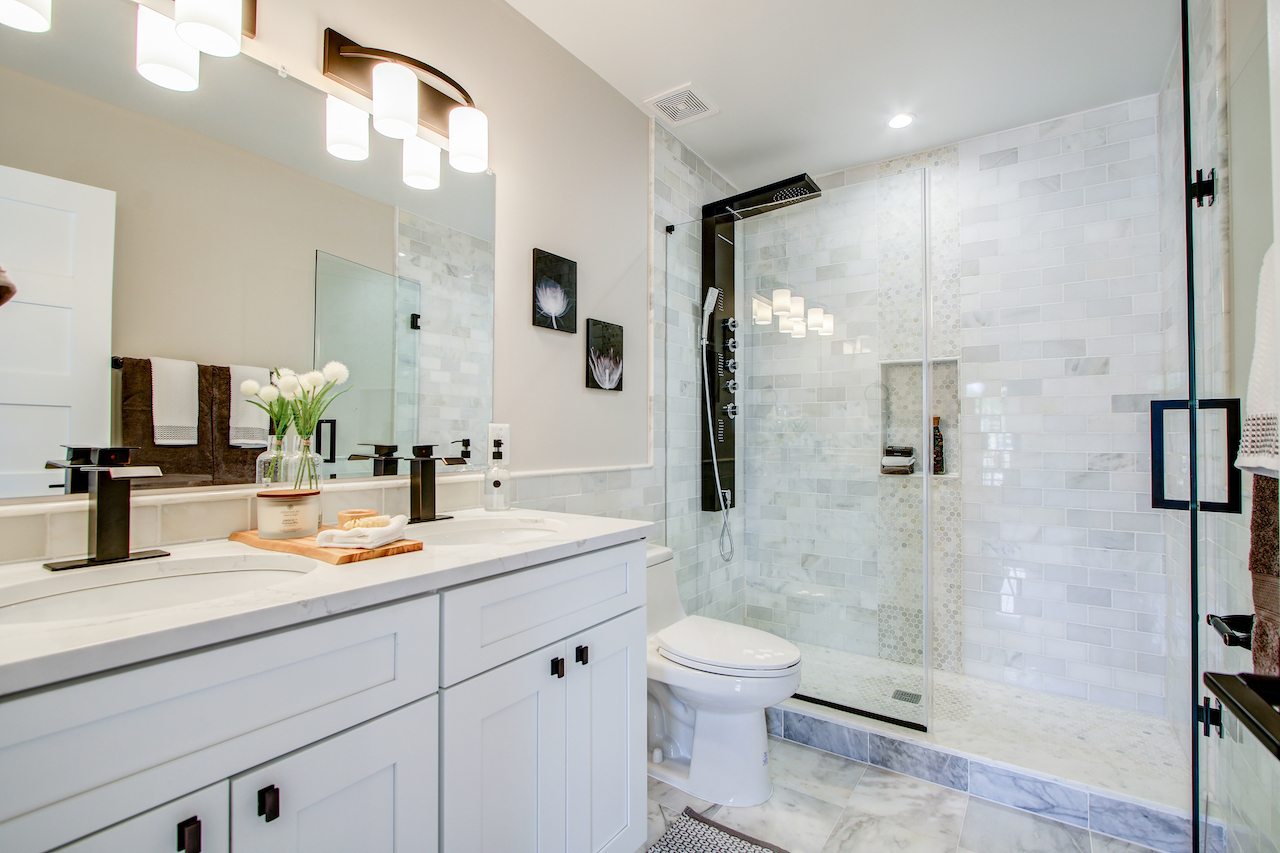
While honoring traditional aesthetics, Colonial Home Construction can integrate modern conveniences for daily living. Updated kitchens, smart home technology, and contemporary bathrooms can be designed discreetly to preserve the classic look. Thoughtful incorporation of these features ensures the home remains both elegant and functional for all residents.
Maintenance Planning
To ensure long-term livability, regular maintenance is an essential consideration in Colonial Home Construction. Choosing durable materials, implementing protective finishes, and scheduling routine inspections for roofing, siding, and mechanical systems prevent deterioration. Strategic planning reduces future costs and preserves the home’s elegance, comfort, and structural integrity.
Architectural Details for Lasting Appeal
Small design elements contribute to the longevity and livability of Colonial Home Construction. Moldings, wainscoting, staircases, and historically inspired hardware add sophistication while remaining practical. Attention to these details ensures that the home retains its timeless character and functional usability over time.
Conclusion
Planning for long-term livability is a cornerstone of successful Colonial Home Construction, combining durability, functional design, energy efficiency, and timeless aesthetics. By carefully selecting materials, designing flexible interiors, incorporating modern conveniences, and considering maintenance, homeowners can enjoy a residence that is both elegant and practical for generations. At Keri Murray Architecture, we guide clients through every phase of Colonial Home Construction, ensuring homes that balance tradition, comfort, and enduring livability while preserving the charm and sophistication of classic Colonial architecture.