
Crafting the Perfect Cape Cod Home: Designs and Insights for a Stylish Expansion
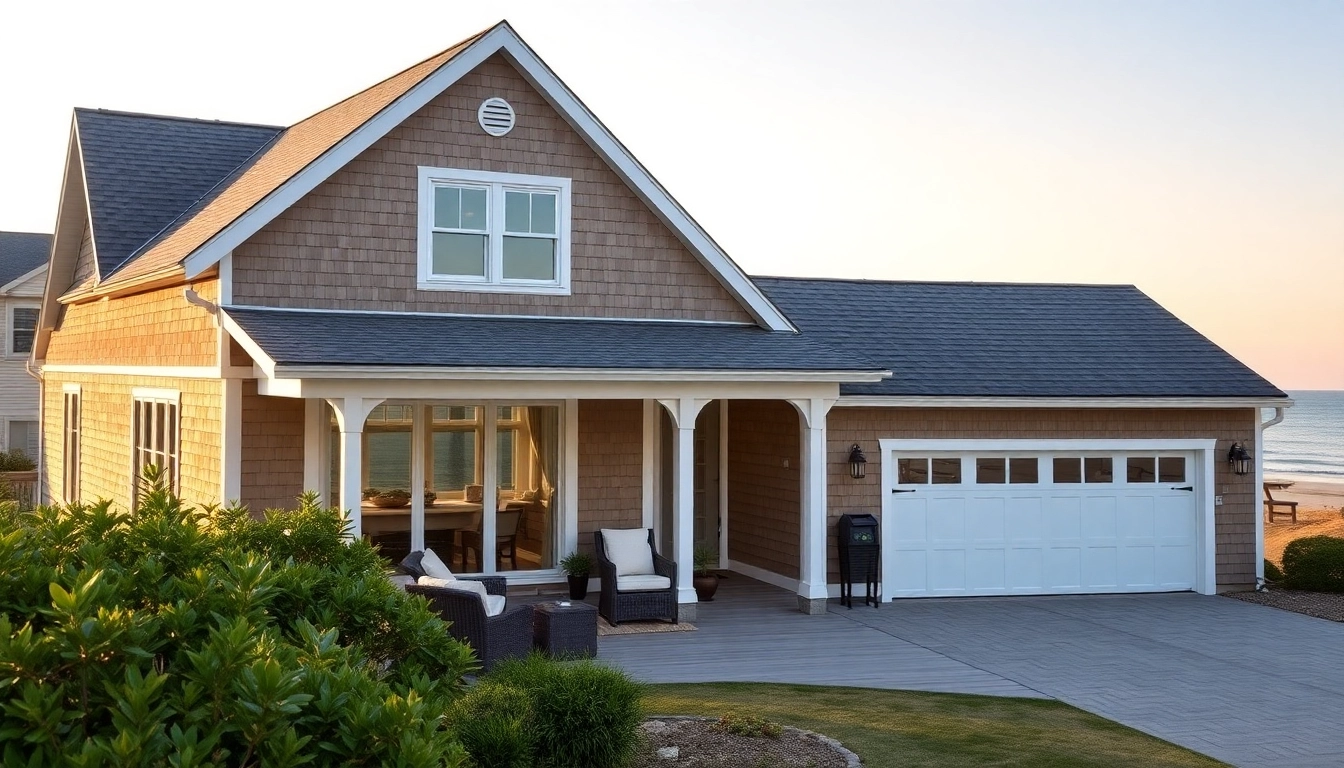
Understanding the Cape Cod Home Aesthetic
The cape cod home is more than just an architectural style; it embodies a rich blend of history, simplicity, and functionality. This iconic American home is a timeless favorite, often gracing coastal areas with its charm. As we delve into the aesthetic and its evolution, you will discover why these homes are cherished and how they can adapt to modern living.
Origin and Historical Significance
The Cape Cod home originated in the 17th century, designed to withstand the harsh New England winters while providing warmth and comfort. These structures were initially influenced by the homes of English colonists, who sought to adapt their designs to the new environment. Builders primarily used local materials, which gave rise to a functional yet charming architectural style. The historic significance of these homes lies in their representation of early American perseverance and ingenuity.
Key Design Characteristics
Traditionally, Cape Cod homes are characterized by:
- Steeply pitched roofs, designed to prevent snow accumulation.
- Dormer windows to maximize light in the upper levels.
- Symmetrical facades with centrally located front doors.
- Wooden siding, often painted in soft, natural colors.
- Charming porches for enjoying the surrounding landscape.
These features create a welcoming and cozy feel, making the Cape Cod aesthetic a favorite in coastal regions and beyond.
Modern Interpretations of Cape Cod Homes
Contemporary builders have begun to interpret the Cape Cod style with new materials and open floor plans, blending traditional warmth with modern efficiency. Innovations include larger windows that allow more natural light, open concept layouts for enhanced family interaction, and environmentally friendly building practices. The fusion of old and new maintains the quintessential charm of the cape cod home while fitting modern lifestyles.
Planning Your Cape Cod Home Expansion
Expanding a Cape Cod home can enhance its utility and enjoyment while preserving its signature style. Here are some key considerations to ensure a successful expansion project.
Assessing Your Space and Needs
The first step in planning an expansion is assessing your current space and identifying specific needs. Consider the following:
- Evaluate your family’s lifestyle — do you need more living space, bedrooms, or a home office?
- Analyze your property layout and zoning regulations to understand what expansions are feasible.
- Assess your budget to establish a realistic financial framework for your project.
Gathering this information will help you map out a plan aligned with your family’s vision and practical needs.
Designing with Functionality in Mind
Functionality is key to successful home design. Simple strategies can significantly enhance the usability of your space:
- Incorporate open spaces that allow for flexible use, especially in high-traffic areas like kitchens and living rooms.
- Use thoughtful layouts that promote natural flow between rooms, reducing clutter and enhancing accessibility.
- Prioritize natural light; consider enlarging windows or adding skylights during the expansion.
By focusing on functionality, the expanded space can become a harmonious extension of your home.
Incorporating an Attached Garage into Your Plans
An attached garage can provide numerous benefits, including added storage, convenience, and improved curb appeal. To successfully integrate a garage into your cape cod home, consider:
- Maintaining the architectural harmony; the garage should complement the home’s existing style.
- Considering access points; a garage that connects directly to the home can enhance convenience.
- Planning for adequate insulation and ventilation to mitigate climate effects.
By thoughtfully incorporating an attached garage, your home can become more functional without sacrificing its classic aesthetic.
Key Features of a Cape Cod Home
The beauty of a Cape Cod home lies not only in its visual appeal but also in its thoughtful design. Understanding its key features can aid homeowners in making informed choices during expansion or maintenance.
Exterior Elements and Materials
Traditional Cape Cod homes are known for their charming exterior elements. Key materials typically include:
- Wooden shingles, often used on roofs and siding, offering a rustic charm.
- Natural colors, with shades of blue, grey, or white that harmonize with seaside surroundings.
- Features such as shutters, bay windows, and porches that add character.
When planning to expand or renovate, choosing authentic materials and colors is crucial to maintaining the home’s integrity.
Interior Design Trends
Inside, Cape Cod homes often reflect a blend of comfort and simplicity:
- Open floor plans maximize space and foster family interaction.
- Light colors and natural materials make rooms feel airy and inviting.
- Classic New England decor, featuring nautical themes and vintage furniture, creates an authentic atmosphere.
Keeping these trends in mind can ensure that your interior design complements the traditional look of the cape cod home.
Sustainable Practices in Construction
As sustainability becomes increasingly important, many builders are incorporating eco-friendly practices in Cape Cod home construction:
- Using renewable materials like bamboo and reclaimed wood for building and finishing.
- Implementing energy-efficient heating and cooling systems to minimize environmental impact.
- Integrating solar panels and rainwater harvesting systems to promote sustainability.
Embracing these practices not only enhances energy efficiency but also aligns with modern values of environmental stewardship.
Transforming Your Cape Cod Home: Ideas and Inspirations
When it’s time to transform your Cape Cod home, creativity and inspiration can be found in many places. Here are some ideas to help you get started.
Popular Expansion Ideas
Expansion can take many forms. Here are some popular ideas to think about:
- Creating a guest suite or additional bedrooms to accommodate family visitors.
- Adding a sunroom or screened porch to enhance outdoor living enjoyment without sacrificing comfort.
- Opening up the kitchen to the living area, making it a focal point for family gatherings.
By embracing these ideas, you can expand your home while maintaining its Cape Cod charm.
Integrating Outdoor Spaces
Outdoor spaces are essential in enhancing the overall appeal of a Cape Cod home:
- Decks and patios can create functional areas for relaxation and entertaining.
- Landscaping with native plants can preserve the natural look and feel of the surrounding environment.
- Incorporating pathways and outdoor lighting can enhance safety and style.
These elements can seamlessly blend your home with its natural surroundings, making it a true oasis.
Using Color and Texture Effectively
Color and texture can dramatically impact the feel of your space:
- Soft coastal colors like blues, greens, and whites evoke a serene atmosphere.
- Textures such as driftwood accents and linen fabrics can add depth and warmth.
- Combining different materials and finishes can create visual interest throughout the home.
Thoughtful choices in color and texture can enhance the aesthetic appeal, making the Cape Cod home even more inviting.
Maintenance and Care for Your Cape Cod Home
Caring for your Cape Cod home ensures it remains a beautiful and functional space. Regular maintenance is crucial to preserving its charm and structural integrity.
Seasonal Maintenance Tips
To keep your home in top condition, consider these seasonal maintenance tips:
- Inspect roofs and gutters for debris and damage, especially after heavy weather.
- Repaint wooden surfaces every few years to protect them from the elements.
- Check window seals and doors for drafts and apply weatherstripping as needed.
These simple steps can prolong the life of your home and save you on costly repairs in the long run.
Common Issues and Solutions
Like any home, Cape Cod residences face certain common issues:
- Moisture buildup — ensure proper ventilation in attics and basements to avoid mold.
- Pest infestations — regular inspections and preventive measures can help mitigate this problem.
- Wear on exterior finishes — consider periodic treatments for wood to protect against decay and insect damage.
Recognizing and addressing these concerns early can maintain your home’s value and aesthetic appeal.
Improving Energy Efficiency
Energy efficiency should be a priority for all homeowners. Consider these strategies to enhance your Cape Cod home’s efficiency:
- Install energy-efficient appliances and lighting to reduce energy consumption.
- Upgrade insulation in walls, attics, and crawl spaces to maintain temperature and reduce bills.
- Utilize smart home technologies to monitor and control energy usage effectively.
By making these improvements, you can enjoy a more sustainable lifestyle while enhancing the comfort of your home.
FAQs
What are common features of a cape cod home?
A cape cod home typically features steeply pitched roofs, dormer windows, and symmetrical facades. Natural materials like wood and shingles are commonly used.
Can I expand my cape cod home?
Yes, home expansions are common. You can add an attached garage or expand living spaces while maintaining the classic design aesthetics.
What color schemes work best for cape cod homes?
Soft blues, whites, and natural wood tones create a serene coastal feel. Neutrals can also enhance the timeless charm of cape cod homes.
How much does it cost to expand a cape cod home?
Costs vary widely based on size, design, and materials. It’s essential to consult with professionals for accurate estimates tailored to your needs.
Is sustainability important when building a cape cod home?
Yes, sustainable practices enhance energy efficiency and reduce environmental impact. Consider using eco-friendly materials and technologies during construction.