
Depression Symptoms in Men and Women
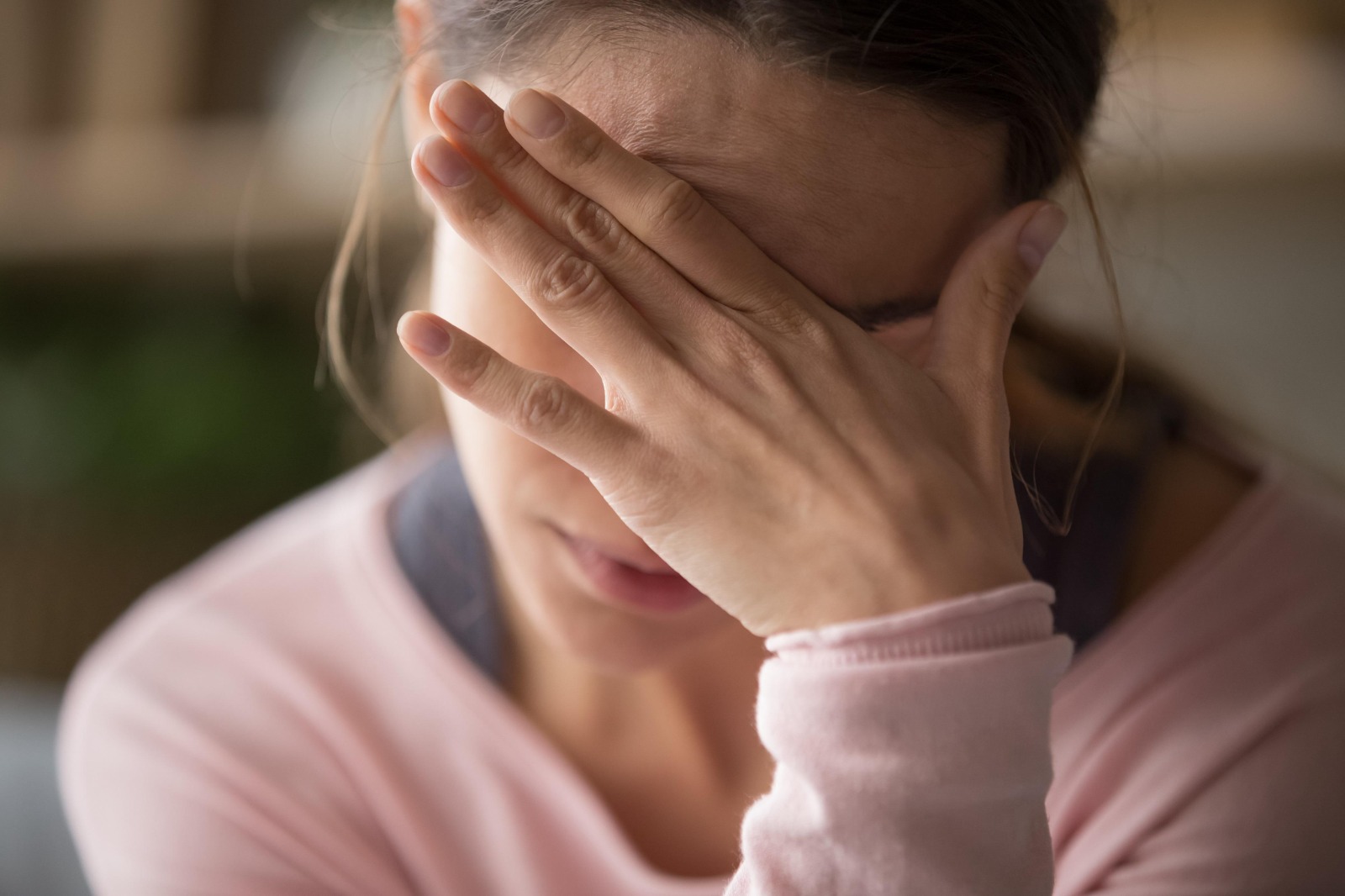
Understanding Depression symptoms is essential for early identification, timely support, and effective treatment. Depression is not simply sadness or temporary emotional distress. It is a serious mental health condition that affects thoughts, emotions, physical health, behavior, relationships, and overall quality of life. While Depression symptoms can affect anyone regardless of age, gender, or background, research shows that men and women may experience and express these symptoms differently. Recognizing these differences can improve awareness, reduce stigma, and encourage individuals to seek help sooner.
At Calm Minds Hub, our goal is to simplify evidence-based mental health knowledge and make it practical, accessible, and compassionate. This comprehensive guide explores Depression symptoms in detail, including emotional signs, physical changes, behavioral patterns, gender differences, risk factors, diagnosis, treatment options, and recovery strategies.
- Understanding Depression as a Mental Health Condition
- Common Emotional Depression Symptoms
- Cognitive Depression Symptoms
- Physical Depression Symptoms
- Behavioral Depression Symptoms
- Depression Symptoms in Men
- Depression Symptoms in Women
- Causes and Risk Factors of Depression
- Diagnosis of Depression
- Treatment Options for Depression
- Conclusion
- Frequently Asked Questions
- Frequently Asked Questions About Depression Symptoms
- Contact Us
Understanding Depression as a Mental Health Condition
Depression, clinically known as major depressive disorder, is characterized by persistent low mood, loss of interest or pleasure, and significant changes in functioning. Depression symptoms must last for at least two weeks and cause noticeable impairment in daily life to meet diagnostic criteria. However, many people experience milder or recurring forms that still require attention.
Unlike temporary sadness, Depression symptoms tend to persist and may intensify without intervention. They affect brain chemistry, hormonal balance, stress response systems, and cognitive processing. Depression is not a sign of weakness, lack of willpower, or personal failure. It is a medical condition influenced by biological, psychological, and social factors.
Common Emotional Depression Symptoms
Emotional changes are among the most recognizable Depression symptoms. Persistent sadness is one of the primary indicators. However, depression may also present as emptiness, hopelessness, or emotional numbness rather than visible crying or tearfulness. Many individuals report feeling disconnected from themselves or others.
Loss of interest or pleasure in activities once enjoyed is another key indicator. This symptom, known as anhedonia, is central to diagnosing depression. When Depression symptoms include anhedonia, individuals may stop engaging in hobbies, social interactions, or responsibilities they once valued.
Feelings of guilt, worthlessness, or excessive self-criticism are also common. People experiencing Depression symptoms may blame themselves for events beyond their control or feel like a burden to others. These thoughts can become intrusive and persistent, affecting self-esteem and motivation.
Irritability is another emotional manifestation, especially common in men and adolescents. While sadness is often associated with depression, increased frustration, anger, or agitation can also signal Depression symptoms. Emotional instability may strain relationships and workplace interactions.
Cognitive Depression Symptoms
Depression significantly impacts thinking patterns. Concentration difficulties are common Depression symptoms that affect productivity and decision-making. Individuals may struggle to focus on tasks, follow conversations, or complete projects.
Indecisiveness is another cognitive sign. Even simple decisions may feel overwhelming. When Depression symptoms interfere with cognitive clarity, daily functioning becomes more challenging.
Negative thought patterns are also central to depression. These may include pessimistic views of the future, distorted perceptions of self-worth, and expectations of failure. Persistent negative thinking is one of the most persistent Depression symptoms and often requires therapeutic intervention to address effectively.
Memory difficulties may also occur. While not always recognized, cognitive impairments are important Depression symptoms that can resemble attention disorders or early cognitive decline. Proper evaluation helps distinguish between conditions.
Physical Depression Symptoms
Depression is not limited to emotional distress. Many individuals experience physical manifestations that are equally significant. Fatigue is one of the most common Depression symptoms. This exhaustion is not relieved by rest and may persist throughout the day.
Sleep disturbances are also frequent. Some people experience insomnia, difficulty falling asleep, or frequent awakenings. Others may oversleep and still feel tired. Both sleep patterns are recognized Depression symptoms.
Appetite and weight changes may occur as well. Some individuals lose interest in food, leading to weight loss. Others may overeat, especially comfort foods, resulting in weight gain. These changes in eating behavior are important Depression symptoms that should not be overlooked.
Unexplained aches and pains, including headaches, muscle tension, and digestive problems, can also accompany depression. When medical tests do not reveal a clear physical cause, these complaints may be related to Depression symptoms affecting the body’s stress response system.
Behavioral Depression Symptoms
Behavioral changes are often noticeable to family members and colleagues. Withdrawal from social interactions is one of the most visible Depression symptoms. Individuals may isolate themselves, decline invitations, or avoid communication.
Reduced performance at work or school is another behavioral indicator. Missed deadlines, lack of motivation, and decreased engagement may reflect underlying Depression symptoms rather than laziness or disinterest.
In some cases, individuals may engage in risky behaviors, including substance misuse. Alcohol or drug use can temporarily numb emotional pain but often worsens Depression symptoms over time. This creates a cycle that complicates recovery.
In severe cases, thoughts of self-harm or suicide may arise. These are serious Depression symptoms that require immediate professional attention. Early intervention significantly reduces risk and improves outcomes.
Depression Symptoms in Men
Men may experience and express Depression symptoms differently due to social expectations and cultural norms. Traditional views often discourage emotional expression, which may lead men to internalize distress.
Instead of sadness, men may show increased irritability, anger, or aggression. These behaviors can mask underlying Depression symptoms and delay diagnosis. Work-related stress or physical complaints may also dominate the presentation.
Men are also more likely to engage in substance use as a coping mechanism. Alcohol misuse can obscure Depression symptoms, making identification more difficult. Recognizing these patterns is essential for effective support.
Additionally, men may hesitate to seek mental health care due to stigma. This delay can allow Depression symptoms to worsen. Encouraging open conversations and normalizing emotional health can improve early detection.
Depression Symptoms in Women
Women are statistically more likely to be diagnosed with depression, partly due to biological and social factors. Hormonal changes during menstruation, pregnancy, postpartum periods, and menopause can influence Depression symptoms.
Women often report persistent sadness, anxiety, and feelings of guilt. Emotional sensitivity may be more pronounced, although this does not mean symptoms are less severe. These Depression symptoms can significantly impact relationships and caregiving responsibilities.
Postpartum depression is a specific condition that includes intense Depression symptoms after childbirth. It may involve mood swings, fatigue, difficulty bonding with the baby, and feelings of inadequacy. Early screening is critical during and after pregnancy.
Women may also experience higher rates of co-occurring anxiety disorders. When anxiety overlaps with depression, Depression symptoms may include excessive worry alongside low mood and fatigue.
Causes and Risk Factors of Depression
Depression results from a combination of genetic, biological, environmental, and psychological factors. Family history increases vulnerability to Depression symptoms due to inherited traits affecting brain chemistry.
Neurotransmitter imbalances, particularly involving serotonin, dopamine, and norepinephrine, are associated with mood regulation. These biological influences contribute to Depression symptoms and are addressed through medication when appropriate.
Chronic stress, trauma, financial hardship, relationship conflict, and major life changes can trigger Depression symptoms. Environmental pressures interact with personal resilience levels to influence mental health outcomes.
Certain medical conditions may also increase risk. When evaluating Depression symptoms, healthcare professionals consider both psychological and physical contributors.
Diagnosis of Depression
Diagnosis involves a comprehensive evaluation by a qualified mental health professional. They assess the duration, severity, and impact of Depression symptoms on daily functioning.
Standard diagnostic criteria require persistent symptoms for at least two weeks. Clinicians evaluate mood changes, sleep patterns, appetite shifts, energy levels, cognitive function, and behavioral changes related to Depression symptoms.
Accurate diagnosis ensures appropriate treatment planning and avoids misinterpretation of Depression symptoms.
Treatment Options for Depression
Treatment is highly effective for many individuals experiencing Depression symptoms. A combination of psychotherapy, medication, and lifestyle adjustments often produces the best results.
Cognitive behavioral therapy helps individuals identify and challenge negative thought patterns contributing to Depression symptoms.
Antidepressant medications may be prescribed when necessary to reduce Depression symptoms and restore chemical balance in the brain.
Lifestyle changes such as exercise, sleep improvement, balanced nutrition, and stress management can significantly reduce Depression symptoms.
Conclusion
Depression symptoms are complex and can affect emotional, cognitive, physical, and behavioral health. While men and women may experience and express Depression symptoms differently, the condition is treatable and manageable. Early recognition, professional support, therapy, medication when needed, and lifestyle changes all contribute to recovery. With proper care and understanding, individuals can overcome Depression symptoms and regain stability, confidence, and quality of life. Navigate effortlessly by returning to our clean, organized homepage.
Frequently Asked Questions
Frequently Asked Questions About Depression Symptoms
What are the most common depression symptoms?
The most common Depression symptoms include persistent sadness, loss of interest, fatigue, sleep problems, appetite changes, difficulty concentrating, and feelings of worthlessness.
How are depression symptoms different in men and women?
While core Depression symptoms are similar, men may display irritability or substance use, while women may experience stronger emotional sensitivity and hormonal influences.
Can depression symptoms be physical?
Yes, Depression symptoms can include headaches, digestive issues, chronic fatigue, and sleep disturbances.
When should someone seek help for depression symptoms?
Professional help should be sought when Depression symptoms last more than two weeks or interfere with daily functioning.
Are depression symptoms treatable?
Yes, Depression symptoms are highly treatable through therapy, medication, and lifestyle support.
Contact Us
Name: Calm Minds Hub
Address: London Eye, Riverside Building, County Hall, Westminster Bridge Rd, London SE1 7PB, United Kingdom
Website: https://calmmindshub.com/