
Elevate Your Kitchen with Strategic Microwave Oven Sales Techniques
Understanding the Microwave Oven Sales Market
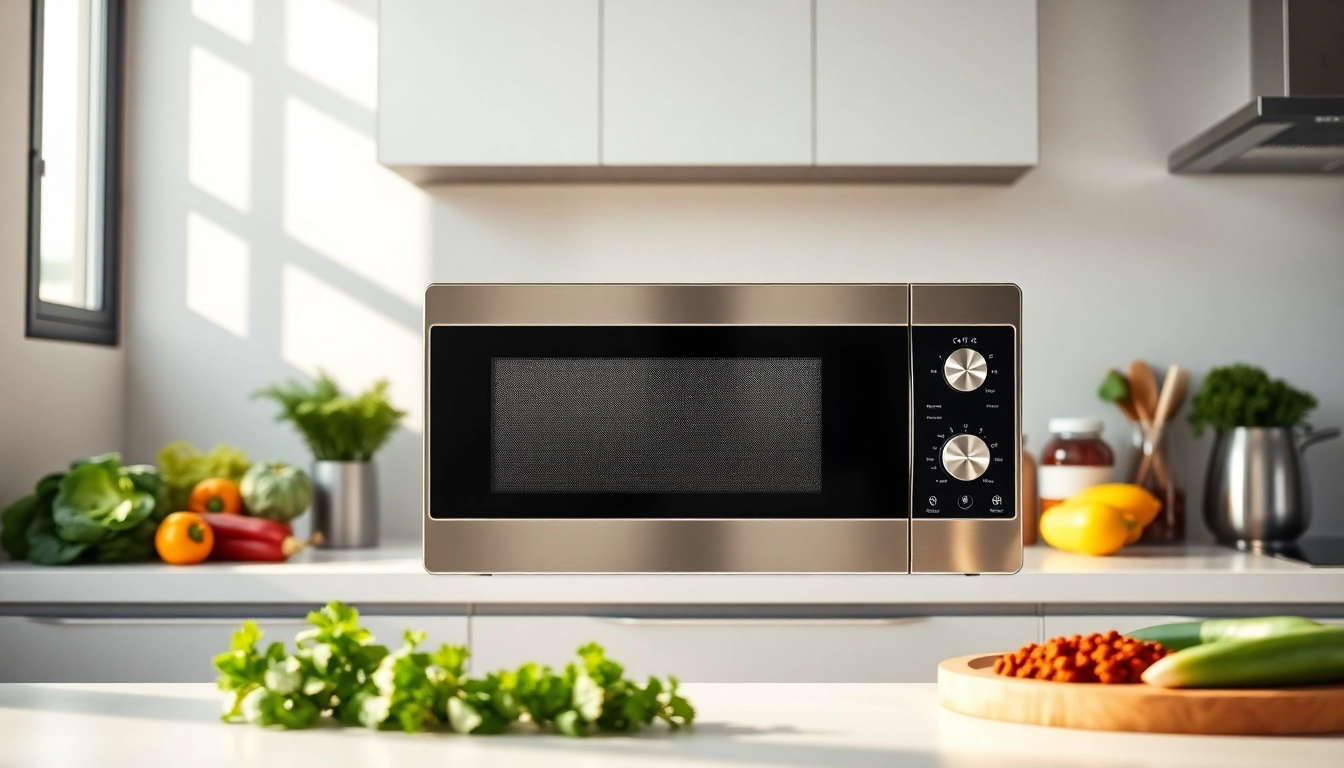
In the ever-evolving kitchen appliance industry, microwave ovens have carved out a significant niche. They are a staple in households and commercial kitchens alike, offering convenience and efficiency. As consumers increasingly seek products that simplify their cooking habits, understanding the factors that drive microwave oven sales is essential for manufacturers and retailers. This article delves into current trends, target demographics, and the economic factors that shape the microwave oven market.
Trends in Microwave Oven Sales
Recent years have seen several noteworthy trends in microwave oven sales, reflecting shifts in consumer preferences and technological advancements. First, there is a marked increase in demand for smart microwaves equipped with Wi-Fi connectivity, touch screens, and pre-programmed cooking settings. Consumers are gravitating toward appliances that enhance their cooking experience and enable them to connect with other smart devices.
Secondly, health-conscious cooking is becoming a central theme in the microwave market. Many consumers now prefer models equipped with grilling and steaming functions, which allow for healthier cooking methods. Additionally, energy-efficient options are gaining popularity as more consumers seek ways to reduce energy consumption.
Finally, the trend toward space-saving appliances is significant, especially in urban areas where kitchen space is often limited. Manufacturers are responding with compact, multifunctional models that cater to the needs of these consumers.
Target Demographics for Microwave Oven Sales
Identifying the right target demographic is critical for maximizing microwave oven sales. Households with busy professionals are prime candidates, as they value convenience and speed in meal preparation. Furthermore, younger generations often prioritize innovation and modern technology, making them a key demographic for smart microwave ovens.
Families also represent a substantial market segment. Products that emphasize safety, such as models with child locks or automatic shut-off features, can appeal to parents concerned about kitchen safety. Additionally, students living in dormitories or shared housing increasingly turn to microwave ovens for quick meal solutions.
Lastly, the rise in meal kit deliveries is another factor driving microwave sales, as consumers look for ways to simplify the cooking process without sacrificing quality.
Economic Factors Affecting Microwave Oven Sales
The performance of the microwave oven market is also influenced by broader economic trends. Economic stability typically leads to increased consumer spending on appliances, while downturns can hinder sales. Furthermore, factors like disposable income and employment rates directly impact consumers’ ability to invest in kitchen appliances.
Additionally, fluctuating prices of raw materials can affect production costs, leading to price adjustments. Brands that can keep their prices competitive while maintaining quality often perform better in challenging economic climates.
Global supply chain issues, amplified during recent events, have also emerged as a crucial factor. Manufacturers must adapt to these supply challenges, ensuring that they can continue to meet consumer demand without significant delays.
Crafting a Compelling Marketing Strategy for Microwave Oven Sales
With a clear understanding of the market and target demographics, the next step for successful microwave oven sales is developing an effective marketing strategy. This involves a mix of digital marketing techniques, customer engagement efforts, and a robust online presence.
Utilizing Social Media for Microwave Oven Sales Promotions
Social media is a powerful platform for reaching audiences directly. Brands can use platforms like Instagram, Facebook, and Pinterest to showcase their microwave ovens, emphasizing innovative features and cooking tips. Engaging visuals of delicious meals cooked using the products, alongside user-generated content, can drive interest and referrals.
Paid advertising on social media can also be utilized effectively. Brands can target specific demographics based on interests and behaviors to reach the most likely buyers. Promotions or discounts advertised using these channels can incentivize customers to purchase immediately, leveraging a combination of urgency and appeal.
Importance of SEO in Microwave Oven Sales
Search engine optimization (SEO) plays a critical role in attracting organic traffic to websites. For businesses engaged in microwave oven sales, it’s essential to develop a strong SEO strategy to ensure visibility in relevant searches.
This includes optimizing product descriptions with keywords, investing in content that answers common consumer questions, and enhancing website architecture for better navigation. Effective SEO strategies can significantly increase the chances of capturing potential buyers at the research stage.
Content Marketing Ideas for Microwave Oven Sales
Content marketing can help establish a brand’s authority and build customer trust. Blogs, videos, and infographics related to microwave recipes, maintenance tips, and the benefits of various cooking methods can attract consumers searching for information. Additionally, creating downloadable guides or eBooks can serve as lead magnets, collecting consumer information for future marketing efforts.
Moreover, hosting webinars or live cooking demonstrations can engage potential customers, showcasing how versatile microwaves can be in modern cooking. Content that addresses pain points and offers solutions can create a valuable connection with consumers, ultimately driving sales.
Enhancing Customer Experience in Microwave Oven Sales
Once a customer has engaged with a brand and made a purchase, the next crucial aspect is ensuring a satisfying customer experience. This can foster loyalty and encourage repeat business, which is particularly valuable in the competitive appliance market.
Best Practices for Customer Engagement
Effective customer engagement strategies should prioritize interaction and personalization. Brands can leverage email marketing to keep customers informed about new products, special offers, or tips for microwave use. Following up with customers post-purchase can yield valuable feedback and demonstrate a commitment to service.
Additionally, utilizing customer relationship management (CRM) tools can help track customer preferences and behaviors, enabling brands to tailor communications and promotions more effectively. Engaging content that encourages customers to share their experiences on social media can also enhance community building around the brand.
Providing Excellent Customer Support
Accessible customer support is crucial for resolving issues and maintaining brand reputation. Offering multiple channels for support—such as live chat, email, and phone support—ensures customers can reach out in their preferred way. Training support staff to be knowledgeable about products can facilitate prompt resolutions to customer inquiries.
Brands should also develop comprehensive FAQs and help guides to assist customers in solving common issues independently. This self-service aspect empowers customers and builds trust by showcasing a commitment to transparency and support.
Loyalty Programs to Boost Microwave Oven Sales
Implementing loyalty programs can significantly enhance customer retention and encourage repeat purchases. Brands should consider offering points for purchases, social media engagement, and referrals. Exclusive discounts or early access to new models can further incentivize customers to return, cultivating a sense of community among brand enthusiasts.
Regular communication with loyalty program members through email or app notifications can ensure they remain engaged and aware of benefits, thus driving sales long-term.
Evaluating Performance Metrics in Microwave Oven Sales
To succeed in microwave oven sales, businesses must continuously evaluate their performance metrics. This practice allows for informed decision-making and strategic adjustments in marketing and sales tactics.
Key Performance Indicators to Monitor
Key Performance Indicators (KPIs) such as sales growth, market share, and customer acquisition costs provide insight into the overall health of the business. Tracking metrics related to customer behavior—such as website traffic, conversion rates, and average order value—can help identify successful strategies and areas that require attention.
Customer satisfaction scores, derived from surveys or feedback, can offer insight into the overall customer experience, helping to identify what works and what doesn’t. Brands that consistently monitor and respond to these metrics can remain agile in the marketplace.
Analyzing Sales Data for Future Strategies
Data analysis can provide valuable insights into sales trends and consumer behavior. Understanding which models sell best, seasonal fluctuations, and consumer purchasing patterns can inform inventory management and promotional strategies. Brands can leverage historical sales data to forecast future sales and adjust their marketing strategies accordingly.
Furthermore, segmentation analysis can shed light on different consumer preferences, allowing for more targeted marketing efforts that resonate with specific customer demographics.
Adapting to Market Changes
The ability to adapt quickly to changing market conditions is essential for sustained success in microwave oven sales. Businesses must stay abreast of technological advancements, consumer preferences, and economic circumstances. This adaptability fosters resilience against competitive pressures and shifts in demand.
Regularly reviewing and updating product offerings based on market research can help brands stay relevant. Additionally, being proactive in embracing emerging trends—such as sustainability—can position brands favorably among environmentally conscious consumers.
FAQs about Microwave Oven Sales
What features should I consider when buying a microwave oven?
Consider features like wattage, size, cooking modes, and safety functions. Some models offer smart technology or steam cooking options, enhancing versatility and convenience.
How can I effectively market microwave ovens online?
Utilize SEO tactics, social media advertising, and content marketing strategies to showcase your products effectively to target customers who value convenience and modern technology.
What are the best practices for microwave oven sales?
Focus on understanding customer needs, offering competitive pricing, ensuring excellent customer support, and maintaining a robust online presence for broader outreach.
Are there seasonal trends in microwave oven sales?
Yes, sales often peak during holidays and back-to-school seasons, with consumers looking for convenient cooking solutions, making timely promotions essential during these periods.
How can customer feedback improve microwave oven sales?
Customer feedback provides insights into product performance and areas for improvement. Utilizing this feedback can enhance product features and overall customer satisfaction, leading to improved sales.