
Elevate Your Space with Exquisite Interior Architectural Woodwork
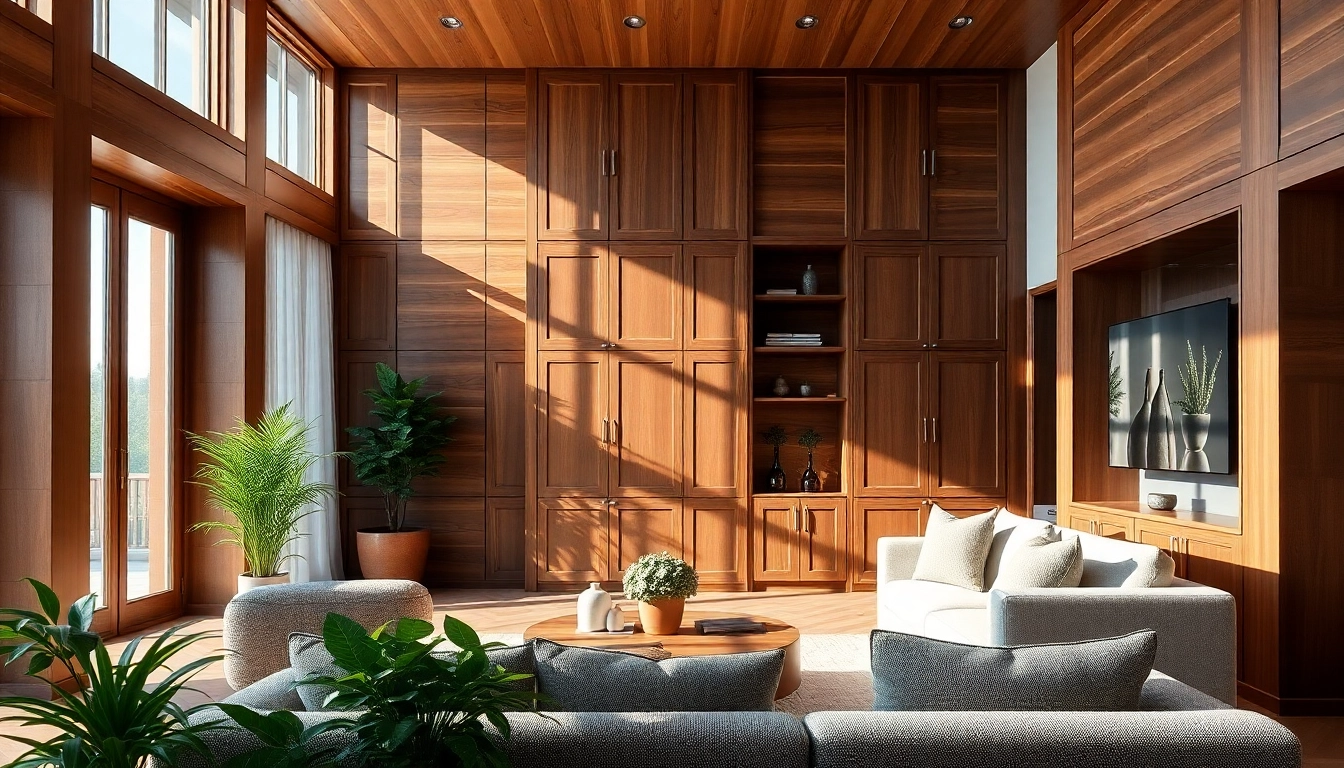
Understanding Interior Architectural Woodwork
Definition and Importance
Interior architectural woodwork encompasses various wood elements used to enhance the aesthetics and functionality of indoor spaces. This specialized craftsmanship plays a vital role in creating unique and personalized environments, elevating ordinary settings into extraordinary ones. It includes features such as moldings, cabinetry, staircases, and custom furniture that not only provide utility but also serve as artistic expressions. The significance of interior architectural woodwork lies in its ability to transform spaces, reflecting personal style while adding value to homes and commercial properties.
Historical Context
The art of woodwork has deep historical roots, tracing back to ancient civilizations that utilized available resources to create functional objects and adorned spaces. Over centuries, various cultures have embraced woodwork, with each adding distinct styles and techniques influenced by social and technological changes. In the Renaissance period, intricate wood carvings and detailed moldings flourished, showcasing the craftsmanship that defined interior spaces of that era. As societies evolved, so did the styles of woodwork, adapting to contemporary tastes while retaining traditional elements.
Key Types of Woodwork
Interior architectural woodwork is categorized into several essential types. Each type serves different purposes and carries its own aesthetic appeal. Key types include:
- Moldings: These decorative strips adorn the edges of walls, ceilings, and floors, adding depth and character to interiors.
- Cabinetry: Custom cabinets can enhance functionality in kitchens, bathrooms, and living spaces, providing storage while showcasing design.
- Doors and Windows: Custom wood doors and window frames not only secure spaces but also contribute significantly to the overall design.
- Staircases: A well-designed staircase acts as a focal point, merging function with artistic design.
- Custom Furniture: Created to fit specific spaces, custom wood furniture embodies both practicality and artistic expression.
Choosing the Right Wood for Your Project
Popular Wood Types
Selecting the appropriate wood type for your interior architectural project is crucial, not just for quality but also for aesthetics. Common choices include:
- Oak: Highly durable with a beautiful grain, oak is popular for cabinetry and flooring.
- Maple: Known for its fine texture and light color, maple is often used for kitchen cabinets.
- Cherry: Valued for its rich color that deepens over time, cherry wood adds elegance to any design.
- Pine: A versatile and cost-effective option, pine is often used in rustic or country-style interiors.
- Walnut: This premium wood is sought for its striking appearance and is often used for furniture and high-end cabinetry.
Considerations for Durability
When choosing wood, consider its durability based on the specific environment of your project. Hardwoods like oak and maple are ideal for high-traffic areas due to their resilience. In contrast, softer woods like pine can dent more easily and are better suited for low-impact spaces. Additionally, consider the wood’s resistance to moisture, especially in kitchens and bathrooms where humidity levels can be higher.
Impact on Aesthetics
The choice of wood also significantly influences the aesthetic quality of a space. Different woods vary in color, grain pattern, and texture, each contributing to the overall design theme. For example, darker woods like walnut bring sophistication and warmth to a room, while lighter woods like birch create a more spacious and airy feel. Furthermore, the finish applied to the wood can enhance its natural beauty, allowing for a wide range of styles from the rustic charm of distressed finishes to the sleek look of polished surfaces.
Design Trends in Interior Architectural Woodwork
Contemporary Styles
Today, contemporary design trends in interior architectural woodwork emphasize clean lines and simplicity. Minimalism is a hallmark of modern spaces, where wood is often incorporated in ways that are bold yet understated. Open shelving, integrated cabinetry, and mixed media creations combining metal and glass with wood are gaining traction, enhancing visual appeal without overwhelming a space.
Traditional Inspirations
While contemporary trends dominate, traditional inspirations continue to influence interior architectural woodwork. Designs harking back to classical styles feature elaborate moldings, rich textures, and complex joinery techniques. Features like coffered ceilings, wainscoting, and ornately carved details create a timeless aura, appealing to those who appreciate historical artistry.
Mixing Materials
A growing trend is the mixing of materials to create dynamic and visually interesting designs. Pairing wood with metal elements, such as steel supports or brass fixtures, can infuse a modern edge into traditional woodwork. Additionally, integrating glass into wood designs opens spaces up visually while providing a contemporary touch. The right balance between materials can lead to stunning results that showcase both creativity and craftsmanship.
Installation Techniques for Interior Architectural Woodwork
Preparation and Planning
Successful installation begins with meticulous planning and preparation. Understanding the dimensions of the space and the materials involved is critical to ensuring a seamless fit. For custom woodwork, precise measurements, and a comprehensive design plan are essential. Considerations such as wood grain direction, joinery techniques, and the compatibility of different materials should be factored in during the initial stages.
Tools and Materials Needed
Having the appropriate tools is pivotal for achieving professional results in interior architectural woodwork installation. Common tools include circular saws, chisels, clamps, and nail guns. Additionally, quality materials, including adhesives and fasteners suited for wood, are essential for delivering durability and stability. Ensuring that all equipment is calibrated and ready to use can reduce errors and increase overall project efficiency.
Common Mistakes to Avoid
Installation can become challenging due to common pitfalls. One major mistake is failing to account for the expansion and contraction of wood, which can lead to gaps or cracking as seasons change. Additionally, miscalculating dimensions can result in ill-fitting pieces. Lastly, neglecting to use finishing techniques before installation can compromise the final aesthetic and longevity of the woodwork.
Maintaining and Caring for Woodwork
Routine Cleaning Tips
To preserve the beauty and integrity of interior architectural woodwork, routine cleaning is paramount. Regular dusting with a soft microfiber cloth prevents the buildup of dirt and debris. For deeper cleaning, a mixture of mild soap and warm water can be used, followed by drying the surfaces immediately to prevent moisture damage. Avoid harsh chemicals, as they can strip finishes and damage the wood over time.
Dealing with Damage
Even with the best care, woodwork can suffer damage. Scratches and dents may be addressed using touch-up markers or wood fillers for minor issues. For more significant damage, consulting a professional can provide insights into repair or refinishing options. It’s vital to maintain the finish and protect the wood from elements such as sunlight and moisture that can lead to wear and tear.
Long-Term Care Strategies
Long-term care involves periodic maintenance checks and refinishing as required. Depending on the finish type, wood may need to be re-oiled or varnished every few years to maintain its luster. Additionally, using coasters and mats can prevent stains, while furniture wax or polish can add an extra layer of protection against wear. Establishing a routine for periodic upkeep can prolong the life of interior architectural woodwork significantly.
FAQs
What is interior architectural woodwork?
Interior architectural woodwork includes custom wood elements like moldings, cabinetry, and furniture that enhance interior aesthetics and functionality.
How do I choose the right wood type?
Consider durability, aesthetics, and the specific project environment. Popular choices include oak for durability and maple for brightness.
What are current trends in woodwork design?
Modern trends focus on minimalism, blending materials, and incorporating both contemporary and traditional designs for character and depth.
How do I maintain my woodwork?
Routine cleaning, prompt damage repair, and periodic refinishing are essential for maintaining the beauty and integrity of woodwork.
What common installation mistakes should I avoid?
Common mistakes include neglecting to account for wood expansion, miscalculating dimensions, and failing to prepare surfaces adequately before installation.