
Essential Guide to Choosing the Best Microwave Oven for Your Kitchen
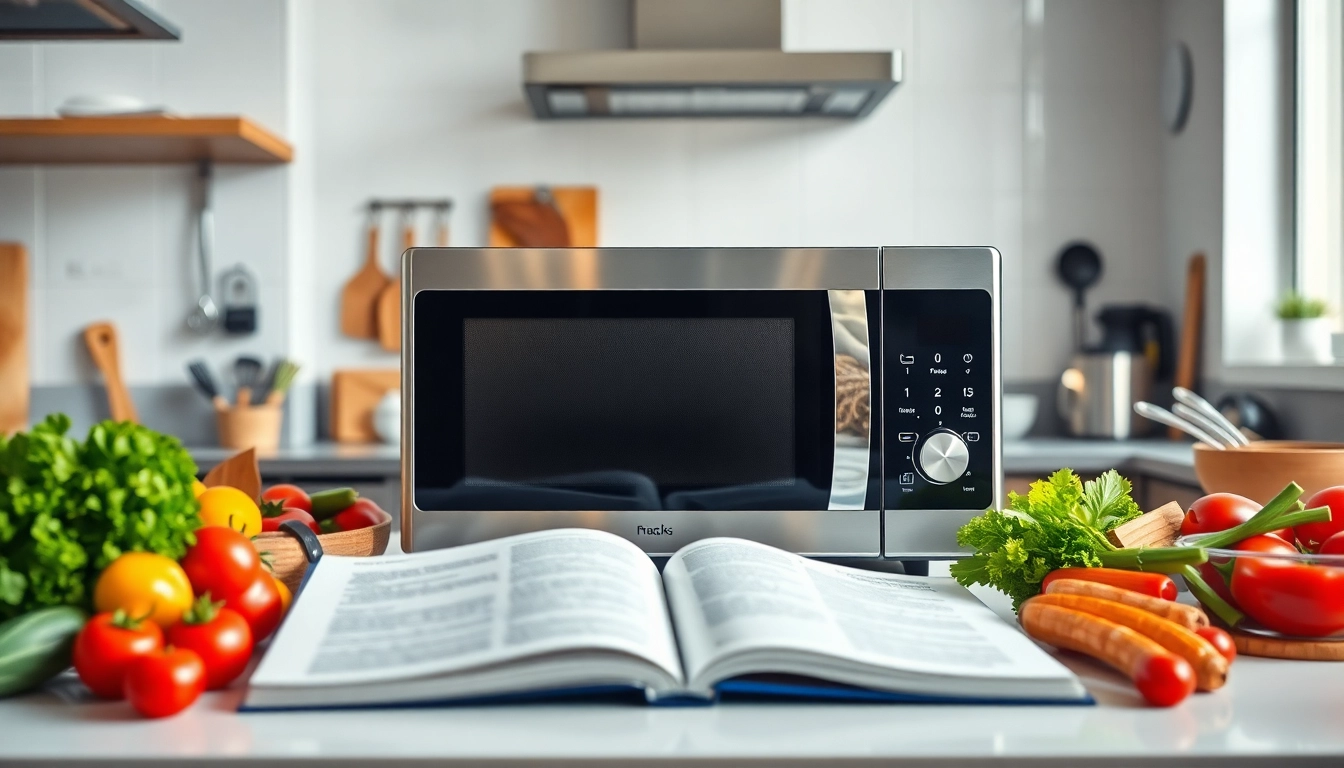
Understanding the Microwave Oven Basics
What is a Microwave Oven?
A microwave oven is a kitchen appliance that uses electromagnetic radiation to cook or heat food. This technology can significantly reduce cooking times and streamline meal preparation. Unlike conventional ovens that rely on thermal conduction, Microwave Oven heat foods quickly by exciting water molecules, converting them into steam and heat, which in turn cooks the food from the inside out. This innovative cooking method has transformed modern kitchens, making meal preparation more efficient and accessible.
How Microwave Ovens Work
The core principle of microwave cooking revolves around the interaction of microwaves with water molecules in food. When the microwave is turned on, it emits microwaves that are absorbed by the water molecules in the food. This absorption causes the water molecules to vibrate rapidly, generating heat. Unlike traditional cooking methods, where the heat takes time to reach the center of the food, microwaves penetrate deeper, cooking food evenly and quickly.
Modern microwave ovens often utilize a turntable to ensure even cooking. Some advanced models come with inverter technology, which allows for a more consistent power level, ensuring that foods, particularly delicate items like fish or custards, cook more uniformly without overcooking.
Types of Microwave Ovens Available
Microwave ovens come in various styles catering to diverse cooking needs and kitchen spaces:
- Countertop Microwave Ovens: These are standalone units that can be placed on kitchen counters, perfect for quick meals and reheating.
- Over-the-Range Microwave Ovens: These dual-purpose appliances serve as both a microwave and a range hood, saving space while providing ventilation.
- Built-In Microwave Ovens: Designed for seamless integration into the cabinetry, built-in models offer a sleek aesthetic but usually come at a higher price point.
- Microwave Convection Ovens: These versatile units combine microwave cooking with convection baking, allowing for complex dishes that require browning or crispness.
Key Features to Look for in a Microwave Oven
Power Levels and Their Impact
The wattage of a microwave oven is a critical factor determining its efficiency and performance. Higher wattage ensures faster cooking times. Most microwaves offer power settings ranging from 600 to 1200 watts. For optimal cooking results, choose a microwave oven that matches your cooking needs: lower wattage for simpler tasks like reheating and higher wattage for cooking more complex dishes.
Additionally, having adjustable power levels can be beneficial for cooking varied recipes and preventing overcooking delicate food items.
Size and Capacity Considerations
When selecting a microwave oven, consider both the physical size and the internal capacity. The dimensions should fit your kitchen space, and the internal capacity should accommodate your typical cooking habits. Countertop models typically range from 0.5 to 2.0 cubic feet, while built-in and over-the-range options may have different shapes and sizes. Assess your cooking needs, such as the size of dishes you usually prepare and the space available in your kitchen.
Smart Features: Do You Need Them?
Smart microwave ovens have gained popularity, boasting Wi-Fi connectivity and compatibility with smartphone apps. These features enable remote operation and monitoring, voice control, and recipe suggestions. While these functionalities can enhance convenience and efficiency, they may not be essential for every user. Consider your kitchen habits: if you frequently cook and experiment with various recipes, a smart microwave oven could be a worthwhile investment, but simpler models still perform well for basic tasks.
Common Uses of a Microwave Oven
Quick Meals and Snacks
Microwave ovens are ideal for preparing quick meals and snacks, from heating leftovers to cooking frozen foods. Popular quick meals include microwave popcorn, instant soups, and frozen burritos. Additionally, they can be used for steaming vegetables in a fraction of the time it would take on a stove.
Defrosting Foods Effectively
The defrost function on a microwave oven is a convenient feature for quickly thawing frozen meats and other foods. It operates at a low wattage, allowing for gentle thawing, which prevents cooking the outer layers while leaving the center frozen. To ensure even results, rearranging or flipping foods during the defrosting process is advisable.
Cooking Techniques for Best Results
To achieve the best results, understanding the microwave settings can significantly enhance your cooking experience. Different foods require various techniques: for instance, covering foods during cooking helps retain moisture, while using a microwave-safe dish ensures even heating. Experimenting with power levels and cooking times can lead to discovering personal preferences for the texture of different dishes.
Maintenance Tips for Your Microwave Oven
Cleaning and Care Practices
Regular cleaning of your microwave oven is essential for maintaining its performance and preventing lingering odors. A simple mixture of water and vinegar can effectively clean the interior—just heat the solution for a few minutes to steam the walls. Additionally, wiping down the exterior and buttons with a damp cloth can prevent the accumulation of grime. Avoid using harsh chemicals that can damage the surfaces.
Common Problems and Troubleshooting
Microwave ovens may encounter issues such as uneven cooking, strange noises, or a complete failure to start. In many cases, these problems can be resolved by checking the power supply, ensuring the door is closed properly, or adjusting the placement of the food to allow for more even cooking. If the problems persist, referring to the user manual may provide specific troubleshooting steps.
When to Repair or Replace
Deciding whether to repair or replace a microwave oven can be challenging. If minor issues arise, professional repair services can often solve problems like faulty door switches or damaged turntables. However, if the cost of repair approaches half the price of a new unit or if the microwave is more than 10 years old, investing in a new model may offer better long-term value and efficiency.
FAQs About Microwave Ovens
What are the safety tips for using a microwave oven?
Always use microwave-safe containers, avoid metal, andensure even cooking by stirring food midway through. Never operate when empty, and keep the door seals clean.
Can I use metal in my microwave oven?
Using metal in a microwave can cause sparks and damage the appliance. Stick to microwave-safe glass, ceramic, or plastic for safe heating.
How does wattage affect cooking times?
Higher wattage means faster cooking. Foods can take significantly longer to cook in lower wattage ovens, so adjust time and power settings accordingly.
Is a convection microwave oven worth it?
A convection microwave offers versatility, allowing for baking and roasting alongside traditional microwave functions, making it worth it for avid cooks.
How do I choose the right size microwave oven?
Consider your kitchen space, cooking habits, and family size. A larger capacity is better for families, while compact models suit smaller kitchens.