
Explore the Cultural Riches and Coastal Beauty of Dar es Salaam
Introduction to Dar es Salaam
Dar es Salaam, the largest city in Tanzania, serves as the nation’s principal port and commercial hub. Nestled along the Indian Ocean, this vibrant metropolis is characterized by its rich cultural tapestry, historical significance, and stunning coastal scenery. With a population exceeding 7 million, it not only represents the fastest-growing city in East Africa but also stands as a central point for economic activities. From its lush beaches to its bustling markets, dar es salaam is an energetic fusion of tradition and modernity.
Overview of Dar es Salaam
Dar es Salaam, which translates to “the haven of peace” in Arabic, has its roots in the 19th century when it was established as a trading port. Today, it is a bustling center that showcases a mix of African, Asian, and European influences. The city’s cultural and historical richness is reflected in its architecture, cuisine, and community life. Despite rapid urbanization, many traditions remain vibrant, making dar es salaam not just a place to visit but a city to experience deeply.
Location and Geography of Dar es Salaam
Strategically located on the eastern coast of Africa and bordered by the Indian Ocean, dar es salaam enjoys a tropical climate that supports a diverse ecosystem. The city sprawls across hilly terrain, overlooked by beautiful palm-fringed beaches. Its geographical position allows for a vibrant economy, driven by shipping, fishing, and tourism. The natural harbor is one of the largest in the world, facilitating trade and movement within the region and beyond.
Historical Significance of Dar es Salaam
The history of dar es salaam is rich and tumultuous, marked by various phases of colonialism and trade. Initially part of the Sultanate of Zanzibar, it was founded by Sultan Seyyid Majid in 1862. The city played an essential role during the spice trade and later became a focal point during the colonial era. Its historical relevance extends to its contributions during the fight for independence, making it an integral part of Tanzania’s national identity.
Cultural Diversity in Dar es Salaam
One of the defining characteristics of dar es salaam is its cultural diversity. Home to various ethnic groups, including African Tanzanians, Arabs, Indians, and Europeans, the city is a melting pot of traditions and languages.
Major Communities in Dar es Salaam
The major communities in dar es salaam include the Swahili, who have significantly influenced the city’s culture and traditions. The Indian community, primarily involved in trade and commerce, has contributed to the culinary scene and economic vibrancy. Similarly, the Arab community adds to the cultural richness, especially in aspects like architecture and cuisine. This diversity fosters a unique cultural identity that is reflected in the city’s festivals, art, and daily life.
Traditional Festivals and Celebrations
Cultural festivals such as Saba Saba (Industry Day) and Nguvumali showcase the local customs and unite the different communities. Traditional dances, music, and art exhibitions are integral to these celebrations, providing a glimpse into dar es salaam’s rich cultural heritage. Additionally, Eid al-Fitr and Diwali are celebrated with fervor by the Muslim and Hindu communities, respectively, promoting inter-community integration.
Food and Culinary Experiences in Dar es Salaam
The culinary landscape of dar es salaam is as vibrant as its cultural tapestry. Local delicacies like Ugali (a type of maize porridge), Samosas, and fresh seafood from the Indian Ocean epitomize the city’s diverse palate. The Kariakoo Market is a must-visit for food lovers, as it offers an array of spices, herbs, and fresh produce. Dining in dar es salaam is not just about the food but an immersive experience enriched by a mix of flavors from different cultures.
Tourism Highlights of Dar es Salaam
Tourism in dar es salaam offers a captivating blend of history, culture, and nature. The city has a myriad of attractions that appeal to both local and international visitors.
Popular Attractions in Dar es Salaam
Key attractions in dar es salaam include the National Museum, which chronicles the country’s history and culture, and the Village Museum, showcasing traditional Tanzanian huts and artifacts. Visitors can also explore the vibrant artistic scene at the Nyumba ya Sanaa (House of Art) and appreciate local crafts and performances. The rich history and urban character make the city a fascinating destination for cultural tourism.
Beaches and Natural Scenery
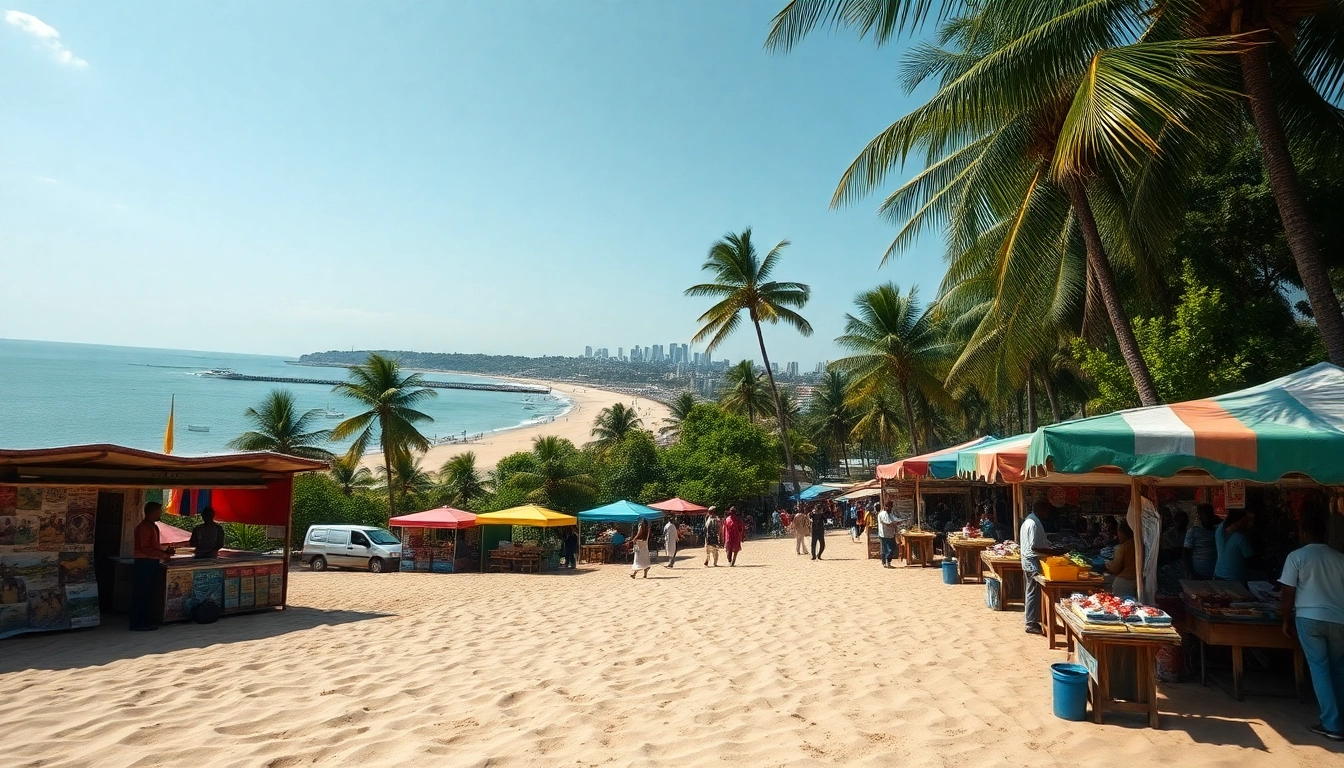
Dar es Salaam boasts stunning beaches like Coco Beach, known for its vibrant atmosphere and beautiful sunsets. The beaches are ideal for relaxation, water sports, and enjoying local street food from vendors. Other natural attractions include the nearby Mbudya Island, where visitors can enjoy pristine beaches and snorkeling opportunities in clear waters teeming with marine life.
Activities and Adventures around Dar es Salaam
Adventure seekers can indulge in various activities such as sailing, diving, and wildlife excursions. Day trips to the nearby Saadani National Park and Mikumi National Park provide opportunities for safari experiences while also highlighting the region’s rich biodiversity. Engaging in cultural and adventure activities enhances the travel experience in dar es salaam, making it a perfect starting point for broader explorations of Tanzania.
Transportation and Accessibility in Dar es Salaam
As a major urban center, dar es salaam features various transportation options that facilitate easy movement within the city and to surrounding areas.
Public Transport Options in Dar es Salaam
The public transport system in dar es salaam comprises shared minibusses called “daladalas,” which are inexpensive and popular amongst locals. Additionally, taxis and ride-sharing services are readily available, providing more comfort and convenience for tourists. Bicycles and motorbikes are also common for shorter distances, contributing to the city’s eclectic transport landscape.
Travel Tips for Visiting Dar es Salaam
To make the most of a visit to dar es salaam, travelers should be mindful of local customs, dress modestly, especially when visiting cultural sites, and stay hydrated in the tropical climate. Learning a few phrases in Swahili can also enhance interactions with locals and enrich the travel experience. Additionally, it’s wise to familiarize oneself with currency, safety guidelines, and essential contact numbers before exploring.
Getting to and from Dar es Salaam
Dar es Salaam is accessible via Julius Nyerere International Airport, which serves both domestic and international routes. Upon arrival, travelers can use taxis or shuttle services to reach their accommodations. For those traveling overland, the city is connected to major roads and railways, making it relatively easy to journey to other parts of Tanzania, including the north for safaris or the beautiful beaches of Zanzibar.
FAQs about Dar es Salaam
What is the best time to visit Dar es Salaam?
The best time to visit dar es salaam is during the dry season from June to October. The weather is pleasant with lower humidity, making outdoor activities more enjoyable.
What languages are spoken in Dar es Salaam?
Swahili and English are the official languages of dar es salaam, with Swahili being predominantly used in everyday conversations and as the medium of instruction in schools.
What are the best beaches in Dar es Salaam?
Among the best beaches in dar es salaam, Coco Beach and Mbudya Island stand out for their beauty, relaxed atmosphere, and opportunities for recreational activities.
How can I get from the airport to the city center?
Travelers can take a taxi, shuttle service, or ride-sharing apps from Julius Nyerere International Airport to reach the city center conveniently.
What cultural experiences can I find in Dar es Salaam?
Cultural experiences in dar es salaam include visiting art galleries, museums, and markets, as well as participating in local festivals and traditional music performances.