
Mastering Comfort: Understanding the Mitsubishi Mini Split AC for Efficient Climate Control
- Introduction to Mitsubishi Mini Split AC Systems
- Choosing the Right Mitsubishi Mini Split AC Size
- Installation Considerations for Mitsubishi Mini Split AC
- Maintenance and Troubleshooting Tips for Mitsubishi Mini Split AC
- Cost and Energy Efficiency of Mitsubishi Mini Split AC
- FAQs about Mitsubishi Mini Split AC
Introduction to Mitsubishi Mini Split AC Systems
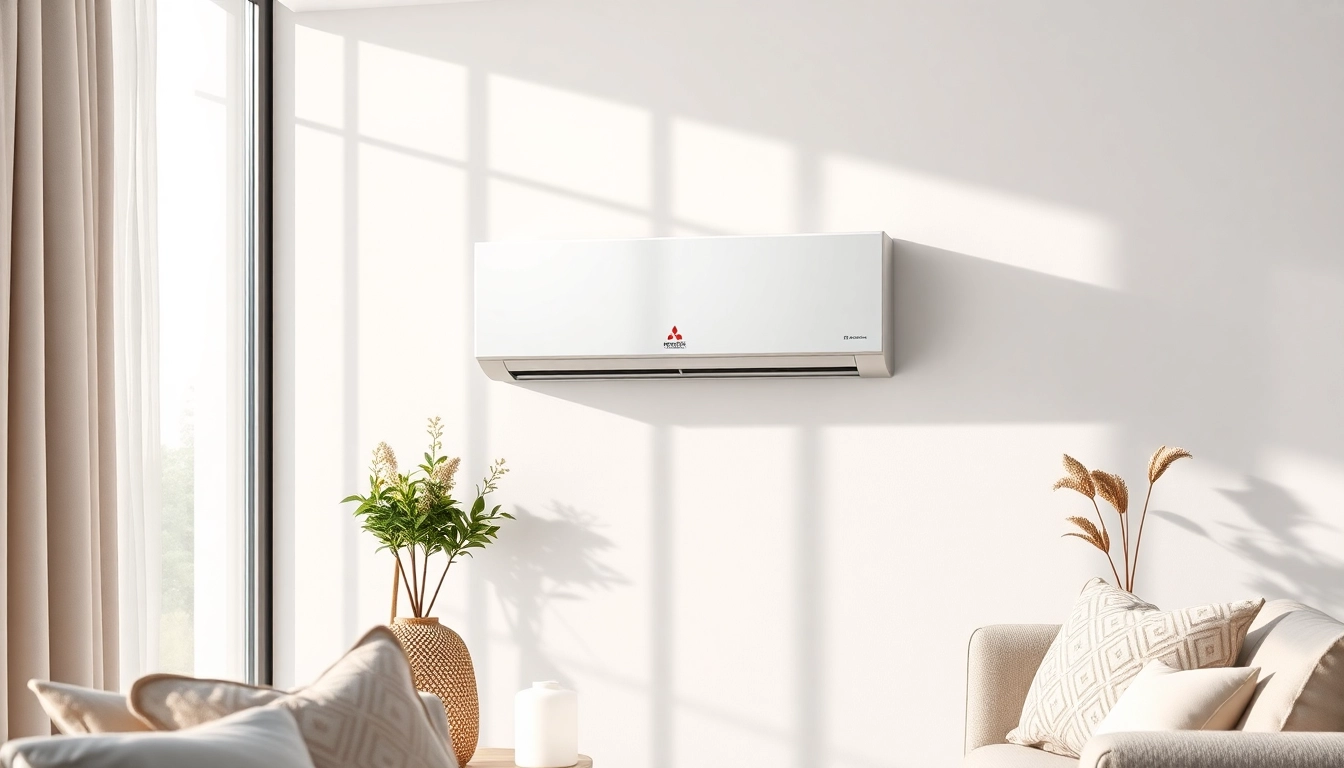
As the demand for efficient heating and cooling solutions rises, the mitsubishi mini split ac systems have gained remarkable popularity. Combining advanced technology with flexible design, these ductless systems are ideal for various residential and commercial applications. By eliminating the need for ductwork, the Mitsubishi mini split AC systems present an energy-saving and cost-effective method to achieve the desired indoor climate.
What is a Ductless Mini Split AC?
A ductless mini split AC system consists of two main components: the indoor air-handling unit and the outdoor compressor. This configuration allows for efficient cooling and heating without the extensive ductwork associated with traditional HVAC systems. Each indoor unit can be installed in individual rooms, offering customized temperature control throughout a building.
Key Features of Mitsubishi Mini Split AC
- Energy Efficiency: With high SEER (Seasonal Energy Efficiency Ratio) ratings, Mitsubishi mini splits are designed to minimize energy consumption while providing effective climate control.
- Quiet Operation: These systems operate at lower sound levels compared to traditional air conditioning units, enhancing comfort in living spaces.
- Zoning Capabilities: Mitsubishi systems allow users to set different temperatures for different rooms, maximizing comfort while minimizing energy usage.
- Flexible Installation: The absence of ductwork enables easier installation in various settings, including retrofitting older buildings or adding air conditioning to new construction.
Advantages of Using Mitsubishi Mini Split AC
The advantages of choosing Mitsubishi mini split AC systems extend beyond their energy efficiency and quiet operation.
- Improved Indoor Air Quality: Ductless systems reduce dust, allergens, and other pollutants found in ductwork, leading to cleaner air delivery.
- Enhanced Comfort: Individual control for each room allows occupants to maintain their preferred climate, reducing the need for excessive temperature balancing.
- Environmentally Friendly: These systems often use eco-friendly refrigerants, contributing to lower greenhouse gas emissions compared to traditional systems.
- Space Saving: The compact design of indoor units makes them suitable for spaces where traditional units might not fit.
Choosing the Right Mitsubishi Mini Split AC Size
Choosing the correct size for your Mitsubishi mini split AC system is vital for maximizing efficiency and comfort. An improperly sized unit can lead to energy waste, inconsistent temperatures, and subpar performance.
Calculating BTU Requirements
BTUs (British Thermal Units) indicate the cooling and heating capability of an air conditioning system. To determine the appropriate BTU rating, consider several factors:
- Room Size: Larger rooms require higher BTU ratings. Measure the room dimensions to calculate the necessary capacity.
- Insulation Quality: Well-insulated rooms retain temperature better, allowing for lower BTU needs.
- Sunlight Exposure: Rooms with ample sunlight may require larger units due to higher heat absorption.
- Occupant Load: More occupants generate additional heat; thus, consider this in the BTU calculation.
Identifying Room Dimensions and Insulation Types
In addition to the BTU calculation, understanding room dimensions and types of insulation is crucial. Homes located in different climates and environments have varying insulation levels, which impacts heating and cooling loads. Common insulation types include:
- Fiberglass: Provides decent insulation but can lose effectiveness if wet.
- Spray Foam: Offers superior insulation value and air sealing properties.
- Cellulose: Contains recycled materials and provides good thermal resistance.
Selecting Multiple Zones for Comfort
For larger homes or multi-story buildings, consider installing multiple indoor units to create distinct climate zones. Each zone can be controlled independently, allowing for personalized comfort and improved energy efficiency.
Installation Considerations for Mitsubishi Mini Split AC
The installation process for Mitsubishi mini split AC units can significantly impact their performance and longevity. Proper installation ensures energy efficiency and optimal operation.
Preparing Your Home for Installation
Before installation, assess your home for any prerequisites needed for the AC system. Ensure that the chosen locations for indoor units can adequately accommodate the size and orientation of the system. Also, consider the accessibility of the outdoor unit for maintenance.
Hiring Professional Installation Services
While some homeowners may be tempted to install mini splits themselves, hiring professional services is highly recommended. Certified installers possess the expertise and tools needed to set up the system properly, ensuring optimal operation and troubleshooting capabilities in case of future issues.
Common Installation Mistakes to Avoid
Avoid common pitfalls during installation, such as:
- Improper sizing of units based on inaccurate calculations.
- Incorrect placement of indoor units, which can hinder airflow.
- Poor insulation of refrigerant lines, leading to energy loss.
- Neglecting to eliminate incompatible circuit breakers or electrical issues.
Maintenance and Troubleshooting Tips for Mitsubishi Mini Split AC
Routine maintenance is crucial to ensure the longevity and efficiency of your Mitsubishi mini split AC system. Simple, consistent care can prevent major issues down the line.
Regular Cleaning and Filter Maintenance
Maintain optimal performance by regularly cleaning the indoor units and changing filters. Dust and debris can accumulate, obstructing airflow and reducing efficiency. Establish a routine cleaning schedule—typically every few months—to ensure your system remains in peak condition.
Identifying Common Issues and Solutions
When a problem arises with your Mitsubishi mini split AC, understanding common issues can be helpful:
- Unit Isn’t Cooling Properly: Often due to dirty filters or low refrigerant levels.
- Strange Noises: Could indicate loose parts or debris in the unit.
- Frequent Cycling: May signal an oversized unit or thermostat malfunctions.
When to Call in Professionals
It’s essential to call in HVAC professionals when you experience persistent issues that you cannot diagnose or resolve. Complex problems related to the compressor or electrical system require specialized knowledge to ensure safety and efficacy.
Cost and Energy Efficiency of Mitsubishi Mini Split AC
When considering a Mitsubishi mini split AC, understanding costs and energy efficiency is paramount to making an informed decision.
Comparing Initial Costs and Long-Term Savings
While the upfront costs of Mitsubishi mini split systems may be higher than conventional units, they often result in substantial long-term savings thanks to their energy-efficient design. Users can expect savings on monthly utility bills, especially if they opt for zoning capabilities that reduce unnecessary energy use.
Understanding Energy Efficiency Ratings
Pay close attention to the system’s SEER ratings; higher ratings denote greater efficiency. An investment in a high SEER-rated unit may lead to lower energy usage, ultimately paying off over time.
Potential Rebates and Incentives for Installation
Many regions offer rebates and incentives for installing energy-efficient appliances, including Mitsubishi mini split AC systems. Before making a purchase, check local and federal programs that may help reduce costs and increase the value of your investment.
FAQs about Mitsubishi Mini Split AC
What size Mitsubishi mini split do I need for my room?
Size requirements depend on room dimensions, insulation quality, and sunlight exposure. Typically, BTU needs are calculated based on these factors to ensure efficient cooling/heating.
How often should I clean the filters?
It’s best to clean the filters every 1-3 months, or more frequently if the system is used heavily or in dusty environments, to maintain optimal performance.
Can I install a mini split AC myself?
While some may attempt DIY installation, hiring a professional is recommended for optimal efficiency and safety, along with ensuring warranty coverage.
What maintenance is required for Mitsubishi mini split AC?
Regular maintenance includes cleaning filters, checking refrigerant levels, and inspecting the outdoor unit for obstructions or debris to ensure proper function.
Are mini split systems noisy?
Mitsubishi mini splits are designed for quiet operation, typically producing sound levels comparable to a gentle breeze, making them suitable for home use.